
When Should You Choose Zinc Plating Over Other Surface Treatments?

Struggling with rusty parts? Wasting money on frequent replacements? Zinc plating offers a strong, cost-effective shield against corrosion for your metal components.
Choose zinc plating when you need reliable corrosion protection for steel parts, especially in mild to moderate environments, and budget is a key consideration. It's an excellent, economical first choice before looking at more expensive coatings or materials.
So, you see the basic idea of why zinc plating is popular. It's a go-to for many applications. But let's dig a bit deeper to really understand when it shines and how it compares to other options, so you can make the best choice for your projects.
When Is Zinc Plating the Smartest Choice for Your Parts?
Unsure about the best finish for your project? Worried about your parts failing too soon? Zinc plating is the perfect solution in many common situations.
Use zinc plating for ferrous metal parts that need good rust prevention but won't face extreme corrosive conditions. It's ideal for items like fasteners, brackets, and general hardware where you need a balance of affordability and decent protection.
Zinc plating really stands out when you're looking for a practical, economical way to protect steel. I've seen many clients, particularly those new to sourcing custom parts, initially overlook plating. They might focus only on the machining. But then they realize their steel parts will rust quickly without some protection. That's where I often recommend zinc plating as a first line of defense, especially if the end-use environment isn't overly harsh. It's about finding that sweet spot.
Cost-Driven Decisions
For many projects, cost is king. If you need to keep expenses down while still ensuring your steel parts don't succumb to rust, zinc plating is often unbeatable. Compared to options like stainless steel, chrome plating, or even some specialized paints, zinc plating provides a significant level of protection for a fraction of the cost. We at Worthy Hardware always try to help our customers, like Mark Chen who values competitive pricing, find these cost-effective solutions.
Environmental Exposure Levels
Zinc plating performs very well in indoor or mild outdoor conditions. Think about components inside machinery, electronic enclosures, or tools that are stored properly. It creates a barrier that prevents moisture and oxygen from reaching the steel. However, if your part is going to be constantly exposed to saltwater, harsh chemicals, or extreme abrasion, you might need to consider a more robust, and usually more expensive, alternative or additional passivation layers.
Aesthetic and Functional Needs
Beyond just corrosion protection, zinc plating can offer a clean, bright metallic finish. With different passivation treatments, you can even get colors like blue, yellow (iridescent), or black. This can be for looks or for identification. Also, a zinc-plated surface is a great base if you plan to paint the part later. The paint adheres much better to the zinc than to bare steel.
Here's a quick guide:
| Scenario | Why Zinc Plating is a Good Fit |
|---|---|
| Budget-Conscious Projects | Lowest cost for good corrosion resistance. |
| Mild to Moderate Environments | Offers sufficient protection without over-engineering. |
| Parts Needing Paint Adhesion | Provides an excellent base for subsequent painting. |
| Sacrificial Protection Needed | Protects the underlying steel even if scratched. |
What Makes Zinc Coating Such a Good Deal for Protection?
Seeking durable yet affordable protection for your parts? Tired of coatings that flake off or fail quickly? Zinc offers reliable, cost-effective benefits that are hard to beat.
Zinc coating's main advantages are its very low cost, excellent sacrificial corrosion protection for steel substrates, good adhesion to the base metal, and its ability to accept various chromate passivates for enhanced durability and even color options.
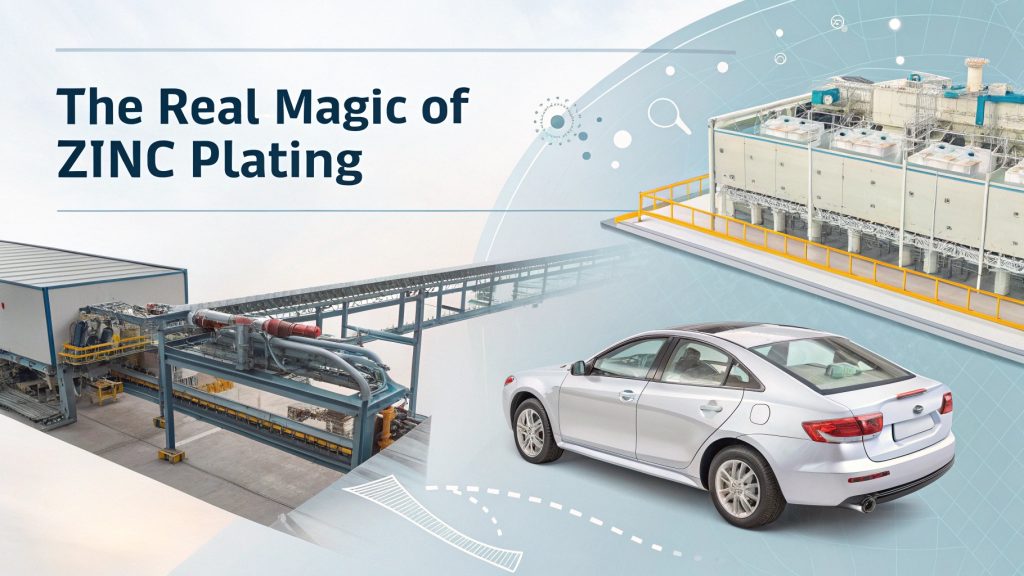
The real magic of zinc plating, and why it's so widely used in industries from automotive to electronics, lies in its combination of effectiveness and economy. It’s not just about forming a barrier; it’s about smart protection. When I talk to customers, especially those producing high volumes of parts, the cost savings from using zinc plating instead of more exotic solutions can be substantial, without a major compromise on performance for many applications.
The Power of Sacrificial Protection
This is a key benefit. Zinc is more reactive than steel. So, if the zinc coating gets scratched or damaged, the zinc around the scratch will corrode preferentially, or "sacrifice" itself, to protect the steel underneath. This means even if the barrier is breached locally, your part remains protected from rust for longer. This is a huge advantage over simple barrier coatings like some paints, which can allow rust to creep under if they get chipped.
Unbeatable Cost-to-Benefit Ratio
When you look at the level of protection you get for the price, zinc plating is outstanding. The raw material (zinc) is relatively inexpensive, and the electroplating process is well-established and efficient. This makes it a go-to for countless applications where parts need to be functional and durable without breaking the bank. For businesses like Mark Chen's, who purchase OEM parts to resell, this cost-effectiveness is crucial for their profit margins. At Worthy Hardware, we can handle high-volume CNC machining orders, and pairing these with zinc plating is a common request.
Versatility in Application and Appearance
Zinc can be applied through electroplating, which is what we mostly discuss for machined parts, offering a uniform and controlled thickness. After plating, a passivation process is usually applied. This thin chemical coating enhances the corrosion resistance further and can also provide different colors – clear (blueish), yellow iridescent, black, or olive drab. This versatility means zinc plating can meet both functional and some aesthetic requirements.
Here’s a summary of its key benefits:
| Advantage | Description |
|---|---|
| Cost-Effectiveness | Significantly cheaper than stainless steel or many other plating options. |
| Corrosion Resistance | Excellent sacrificial protection for ferrous metals. |
| Versatility | Can be applied through various methods; accepts different passivates for color. |
| Good Adhesion | Forms a strong bond with the steel substrate. |
| Ductility | The zinc layer is ductile enough to withstand some forming after plating. |
What Exactly Happens During a Zinc Plated Surface Treatment?
Curious about how that protective zinc layer gets onto your parts? Unclear how the zinc actually forms a bond? It's a precise electrochemical application, not just a simple dip.
Zinc plated surface treatment is typically an electrochemical process called electroplating. A thin, adherent layer of zinc is metallurgically bonded to a metal substrate, usually steel, to provide a protective barrier against corrosion.
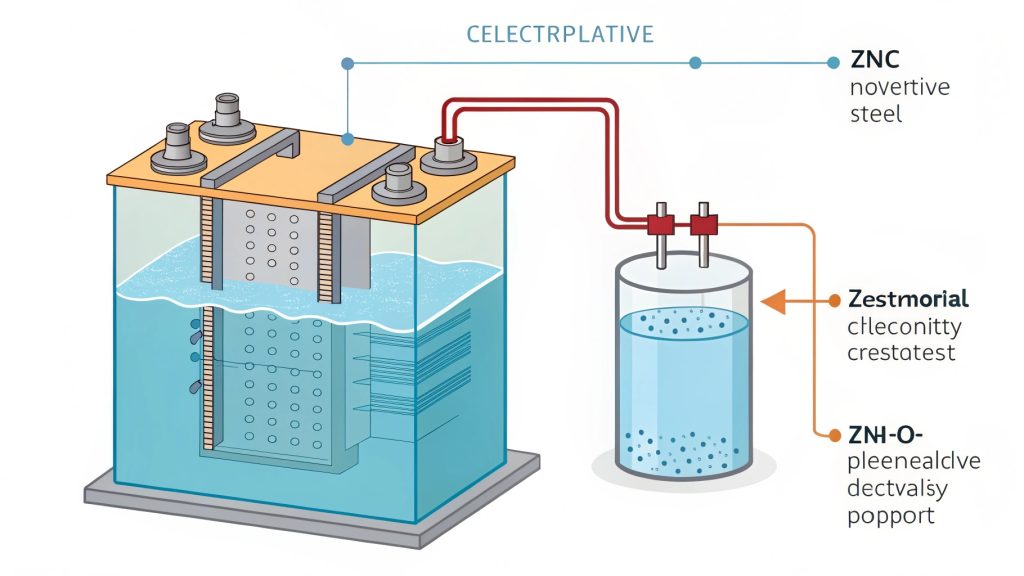
Understanding the basics of the process can help you appreciate why it’s effective. It’s not just paint; it’s a metallic coating that becomes part of the surface. At Worthy Hardware, while we focus on precision CNC machining, we also manage surface finishes like zinc plating for our clients. We ensure the parts are properly prepared before plating, which is crucial for good results. I've seen issues arise when preparation is skipped or done poorly – the plating just doesn’t adhere well or last as long.
The Electroplating Explained Simply
Imagine a special bath, called an electrolyte solution, which contains dissolved zinc. The steel part you want to coat is submerged in this bath and connected to the negative terminal of a power supply, making it the cathode. A piece of zinc metal is also in the bath, connected to the positive terminal, making it the anode. When electricity flows, zinc ions from the anode (or from the solution itself) travel through the bath and deposit onto the surface of your steel part, forming a smooth, even layer.
Key Steps in the Process
It's more than just dipping. The typical zinc electroplating process involves several critical stages:
-
Cleaning/Preparation: This is super important. The part must be thoroughly cleaned to remove any oil, grease, rust, or scale. This might involve solvent cleaning, alkaline cleaning, acid pickling, and rinsing. If the surface isn't perfectly clean, the zinc won't stick properly.
-
Plating: The cleaned part goes into the plating bath, as described above, and the electric current does its work. The time in the bath and the current density determine the thickness of the zinc layer.
-
Rinsing: After plating, the part is rinsed to remove any leftover plating solution.
-
Passivation (Chromate Conversion Coating): This is a very common post-treatment. The part is dipped in a chromate solution. This forms a thin, protective film on top of the zinc, significantly improving corrosion resistance and sometimes adding color.
-
Drying: Finally, the parts are dried.
Why Post-Treatment Matters
Passivation is almost always recommended after zinc plating. The zinc itself provides sacrificial protection, but the passivation layer acts as an additional barrier, slowing down the corrosion of the zinc itself. It also makes the surface less reactive and can improve paint adhesion if that's the next step. Different types of passivates (like trivalent or hexavalent chromates, though hexavalent is being phased out due to environmental concerns) offer varying levels of protection and colors. We always discuss these options with our customers to match their specific needs and any regulatory requirements.
Here's a simplified look at the steps:
| Step | Purpose |
|---|---|
| 1. Surface Cleaning | Removes oils, rust, and scale to ensure good adhesion of zinc. |
| 2. Plating Bath | Part (cathode) and zinc (anode) are immersed in an electrolyte solution. |
| 3. Electric Current | Zinc ions migrate from anode/solution to cathode, depositing on the part. |
| 4. Post-Treatment | Rinsing, often followed by passivation (e.g., chromate) for added protection and color. |
Why Is Zinc a Go-To Finish for Sheet Metal Applications?
Are your sheet metal parts showing signs of rust? Do you need a reliable coating that won't crack when the metal is bent or formed? Zinc plating is often the ideal choice for sheet metal.
Zinc is a popular finish for sheet metal because it provides excellent, low-cost corrosion resistance without significantly compromising the metal's formability or weldability. It also offers a consistently good surface for subsequent painting or powder coating.
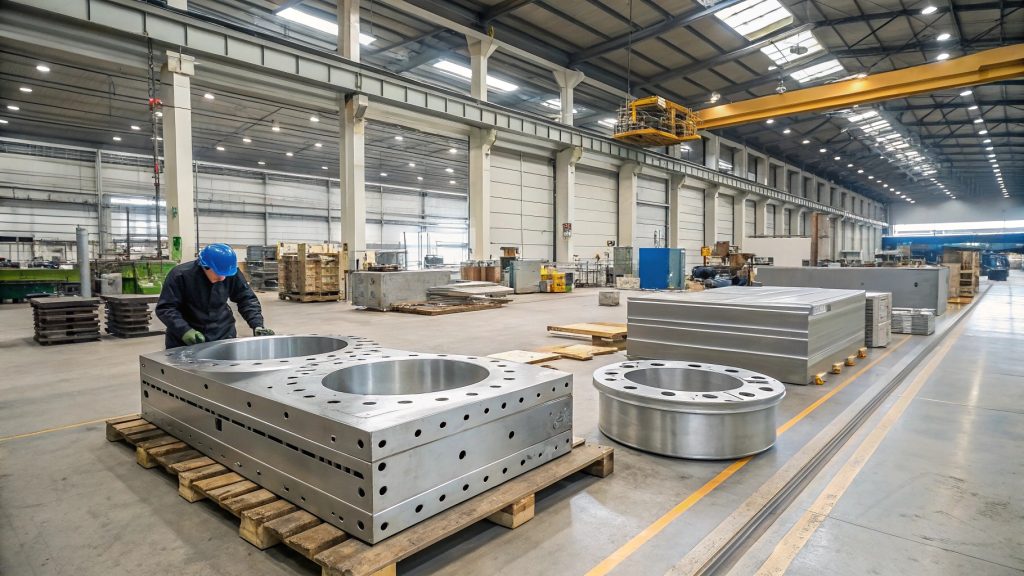
Sheet metal parts are everywhere – from car bodies to computer cases to ductwork. Because these parts often have large surface areas and can be complex in shape, finding a cost-effective way to protect them from corrosion is vital. In my experience, many of our clients who order CNC machined parts also work with sheet metal fabrications. They often ask if zinc plating is suitable for these components as well, and the answer is usually a resounding yes. It aligns well with the need for affordable protection on parts that are often produced in high volumes.
Protecting Large Surfaces Economically
Sheet metal components, by their nature, can have a lot of surface area to cover. Zinc electroplating is an efficient process that can coat these surfaces uniformly and relatively quickly, keeping costs down. While hot-dip galvanizing (another form of zinc coating) is common for thicker structural steel or very harsh environments, electroplated zinc is excellent for thinner gauge sheet metal used in enclosures, brackets, and assemblies where dimensional precision and a smoother finish are more critical.
Maintaining Formability and Weldability
One of the great things about thin electroplated zinc coatings is that they generally don't interfere too much with the formability of the sheet metal. The zinc layer is ductile enough to withstand bending and forming operations without cracking or flaking off, provided the coating thickness is appropriate. It can also be welded, though proper ventilation is needed due to zinc fumes. This is a big plus because it means parts can often be plated before final assembly or forming.
Common Sheet Metal Uses
You'll find zinc-plated sheet steel in a vast array of products. Think about:
-
Automotive: Brackets, under-hood components, small stampings.
-
Electronics: Chassis, enclosures, mounting plates.
-
Appliances: Internal components, frames, casings.
-
Construction: HVAC components, light fixtures, fasteners.
-
General Manufacturing: All sorts of brackets, clips, and covers.
At Worthy Hardware, we can produce custom CNC parts that might assemble with such sheet metal components. Ensuring compatibility in terms of corrosion protection through finishes like zinc plating helps our clients, like Mark Chen, deliver a quality final product. He is very focused on quality inspection, and a consistent, well-applied zinc finish passes scrutiny.
Here are some examples:
| Sheet Metal Application Example | Why Zinc Plating is Ideal |
|---|---|
| Electronic Enclosures | Cost-effective corrosion protection, good base for powder coating. |
| Automotive Brackets | Protects against road salts and moisture at a low cost. |
| Appliance Casings/Frames | Offers a clean finish and durability for internal/external parts. |
| Stamped Hardware | Provides necessary rust prevention for widely used items economically. |
Conclusion
Zinc plating is your best bet for affordable, effective corrosion protection, especially when cost is a primary concern. For your CNC machining and finishing needs, contact us at Worthy Hardware.