
What Are The Differences Between 6061 And 7075 Aluminum For CNC Parts?

Choosing the right aluminum for your CNC parts feels tricky. Make the wrong choice, and your project might fail or cost too much. Let's clarify the 6061 vs 7075 decision.
The main differences are strength, machinability, corrosion resistance, and cost. 7075 aluminum is much stronger but harder to machine, less resistant to corrosion, and more expensive than the versatile 6061 aluminum.
Understanding these two popular materials is key before starting any CNC machining project. Both are great options, but they shine in different situations. Let's look deeper into what sets them apart so you can pick the best fit for your specific needs and ensure your parts perform exactly as expected.
What is the difference between 6061 and 7075 aluminum?
Are you confused about whether 6061 or 7075 aluminum is better for your parts? Picking incorrectly can lead to parts failing under stress. Understand their core differences first.
Simply put, 7075 aluminum boasts significantly higher strength and hardness compared to 6061. However, 6061 offers better machinability, superior corrosion resistance, better weldability, and is generally less expensive.
Let's break down these differences further. The main reason for the property variations lies in their chemical composition. 6061 aluminum primarily uses magnesium and silicon as alloying elements. This combination gives it good mechanical properties, excellent corrosion resistance, and makes it easy to weld and machine. I find it's a fantastic general-purpose alloy. On the other hand, 7075 aluminum relies heavily on zinc as its main alloying element, often with smaller amounts of magnesium and copper.
This formulation results in one of the highest-strength aluminum alloys available, comparable to some steels. This strength comes at a cost, though. 7075 is typically harder to machine, requires more careful tool management, is more prone to corrosion (especially stress corrosion cracking), and is difficult to weld successfully. Its higher cost reflects the alloying elements and processing needed to achieve its strength.
Here's a quick comparison table:
| Feature | 6061 Aluminum | 7075 Aluminum |
|---|---|---|
| Primary Alloying | Magnesium, Silicon | Zinc |
| Strength | Good | Very High |
| Hardness | Medium | High |
| Machinability | Excellent | Fair to Good (requires care) |
| Corrosion Resist | Excellent | Fair (needs protection) |
| Weldability | Good | Poor (not recommended) |
| Cost | Lower | Higher |
| Common Uses | Structures, bicycle frames, tanks | Aerospace, high-stress parts, molds |
What is the best aluminium for CNC machining?
Do you want the easiest machining experience for your aluminum parts? Choosing a difficult alloy increases machining time and tool wear. So, which aluminum machines best?
For overall ease of CNC machining, 6061 aluminum is often considered the best choice. It produces predictable chips, causes less tool wear, and allows for faster machining speeds compared to many other alloys.
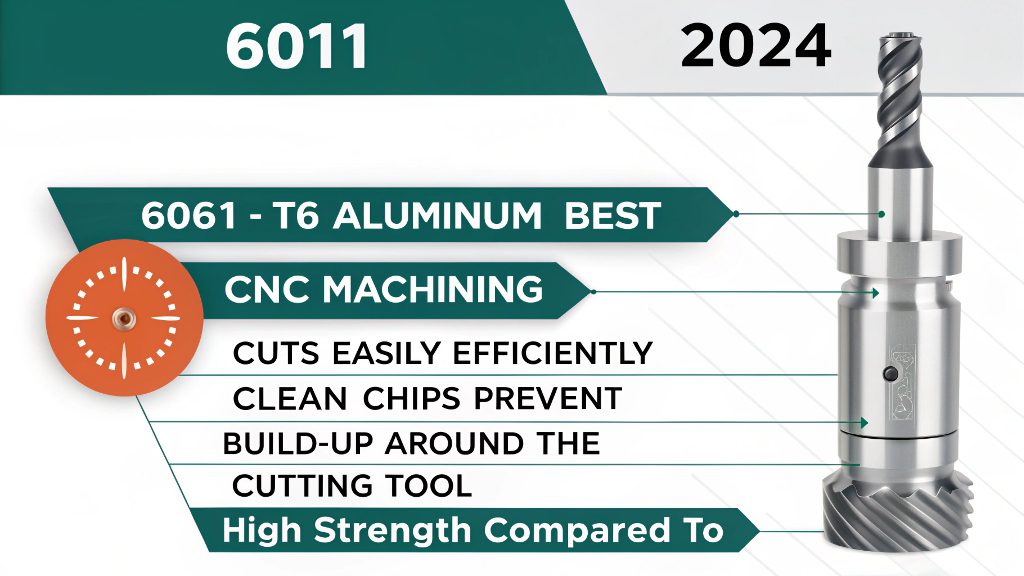
When we talk about the "best" aluminum for CNC machining, we usually mean the one that cuts most easily and efficiently. 6061-T6 fits this description well. In my experience running Worthy Hardware, we see a lot of 6061 projects because it machines beautifully. The chips it produces break cleanly, which helps prevent build-up around the cutting tool.
It's relatively soft compared to high-strength alloys, meaning cutting tools last longer and require less force. This allows for higher cutting speeds and feed rates, reducing overall cycle time and cost. You can achieve excellent surface finishes on 6061 parts with relative ease.
However, "best" always depends on the application's final requirements. While 6061 machines easily, it might not be strong enough for certain demanding applications.
Alloys like 7075, while harder to machine, offer superior strength. Others like 2011 or 2024 are also known for good machinability, sometimes even better than 6061 in specific aspects (like chip breaking for 2011), but might have trade-offs in corrosion resistance or weldability.
So, while 6061 is often the go-to for general machinability, the best choice balances ease of machining with the necessary strength, corrosion resistance, and other properties the final part demands.
Can you CNC 7075 aluminum?
Worried that 7075 aluminum might be too tough for CNC machines? Choosing it might seem daunting if you've heard it's difficult. Let's address if it's machinable.
Yes, absolutely. You can CNC machine 7075 aluminum effectively. While it is harder and stronger than 6061, requiring specific considerations, it's routinely machined in many industries, especially aerospace.
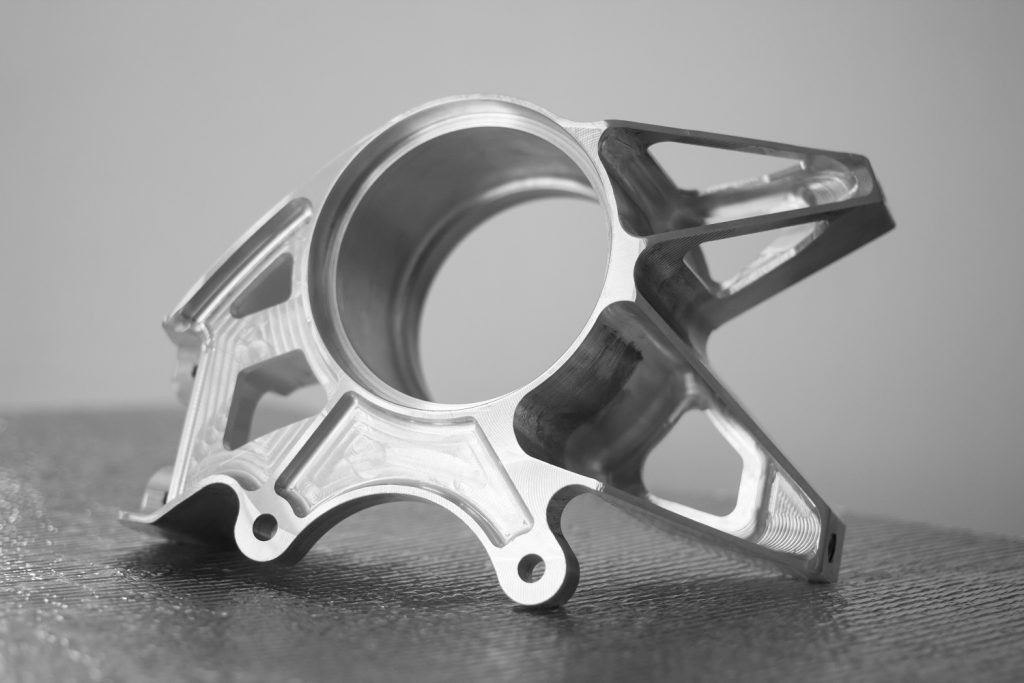
Machining 7075 aluminum is definitely achievable, although it presents more challenges than machining 6061. Its high strength and hardness mean it puts more stress on cutting tools and the machine itself.
At Worthy Hardware, we successfully machine 7075 all the time, but we adjust our approach. We typically use very sharp and durable cutting tools, often carbide, designed for harder materials.
Cutting speeds usually need to be reduced compared to 6061 to manage heat generation and prevent premature tool wear. Proper coolant or lubrication is critical – even more so than with 6061 – to flush away chips effectively and keep the cutting zone cool. The chips produced by 7075 can be smaller and more abrasive, so good chip evacuation strategies are important.
Using a rigid, stable CNC machine setup also helps achieve better accuracy and surface finish when dealing with the higher cutting forces involved. So, while it demands more careful planning and execution, CNC machining 7075 aluminum is a standard process for shops with the right experience and equipment.
What are the disadvantages of 7075 aluminum?
Thinking about using 7075 aluminum for its strength? Before deciding, consider its potential downsides, as overlooking them could cause problems later. What should you watch out for?
The main disadvantages of 7075 aluminum include lower corrosion resistance (especially stress corrosion cracking), poor weldability, higher material cost, and more difficult machinability compared to more common alloys like 6061.
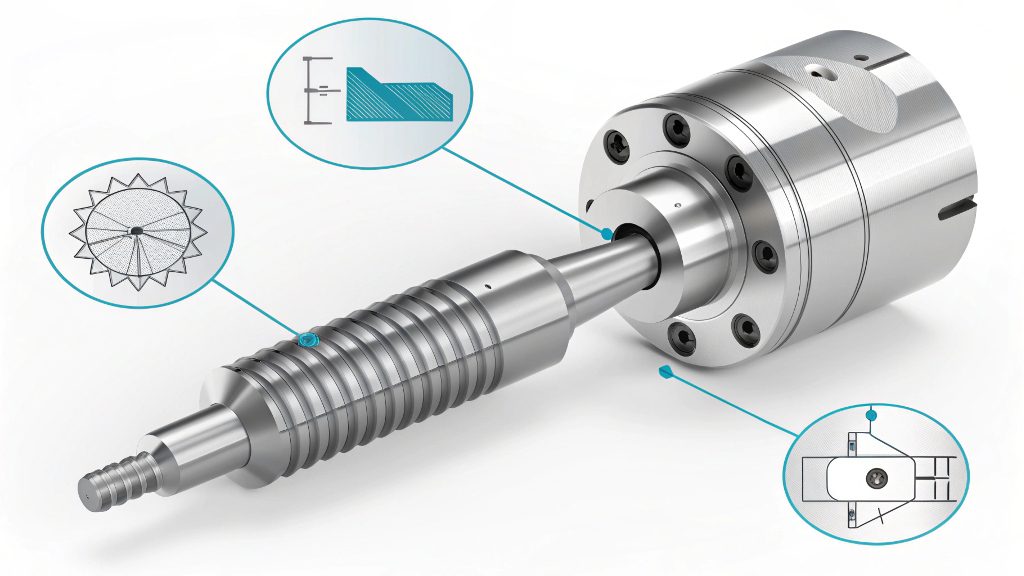
While 7075 aluminum's high strength-to-weight ratio is impressive, it comes with trade-offs. Firstly, its corrosion resistance isn't as good as 6061. It's particularly susceptible to stress corrosion cracking (SCC), where cracks can form under tensile stress in a corrosive environment. Because of this, 7075 parts often require protective finishes like anodizing or painting, especially in harsh conditions.
Secondly, 7075 is generally considered unweldable for structural purposes. The heat from welding can degrade its mechanical properties significantly and often leads to cracking. Mechanical fastening (like bolts or rivets) is the preferred joining method. Thirdly, it costs more than 6061 due to the expensive alloying elements (like zinc) and the complex heat treatment processes required to achieve its high strength.
Lastly, as mentioned earlier, it's harder and more abrasive than 6061, which makes CNC machining more challenging, potentially increasing machining time, tool wear, and overall production cost. Its lower ductility also makes it less suitable for applications requiring significant forming. These disadvantages must be weighed against its primary benefit: exceptional strength.
Conclusion
Choosing between 6061 and 7075 aluminum depends on your needs. 6061 is versatile, machinable, and cost-effective. 7075 offers superior strength for demanding jobs but has trade-offs.