
What Raw Material is Best for Steel Stamping Parts
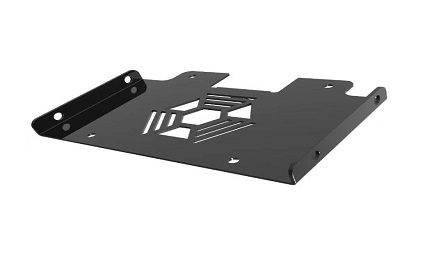
Have you ever wondered which raw material is the best for steel stamping parts? You need something that’s strong, durable, and cost-effective, but also easy to work with. Trust me, I’ve been there. One wrong choice and you could end up with parts that don’t perform as expected, or worse—fail entirely.
In general, cold-rolled steel is an excellent choice for applications requiring precision and a smooth finish, while hot-rolled steel is better for projects where surface quality isn’t as critical. Pre-galvanized steel provides corrosion resistance, and annealed steel improves formability.
So, how do you know which material is right for your project? Keep reading, and I’ll walk you through the key factors you need to consider to make an informed decision.
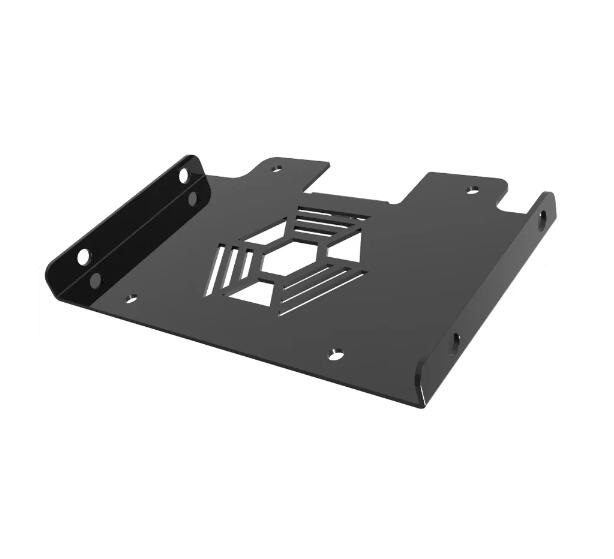
Common Raw Materials Used in Steel Stamping Parts
1. Cold Rolled Steel (CRS)
Cold rolled steel is processed at room temperature, which makes it stronger and gives it a smoother finish compared to hot rolled steel. The cold rolling process involves reducing the thickness of the steel through a series of rollers, which also improves the material's surface finish and dimensional accuracy.
Below is a table detailing the physical properties of common grades of cold rolled steel:
| Grade | Yield Strength (MPa) | Tensile Strength (MPa) | Elongation (%) | Hardness (HRB) | Thickness Range (mm) | Applications |
| A1008 | 205–275 | 270–400 | 35–45 | 50–60 | 0.30–3.00 | Automotive, appliances, and consumer products. |
| A1011 | 250–350 | 400–550 | 25–40 | 55–70 | 0.40–4.00 | General-purpose applications, structural parts. |
| A1018 | 280–350 | 410–580 | 25–40 | 60–75 | 0.50–4.00 | Automotive, industrial machinery, and welded components. |
| SPCC (JIS G3141) | 210–300 | 310–430 | 30–40 | 50–65 | 0.30–3.00 | Consumer electronics, automotive, and general industrial uses. |
2. Hot Rolled Steel (HRS)
Hot rolled steel is processed at elevated temperatures, typically around 1,700°F (926°C), which makes it easier to shape and form compared to cold rolled steel. However, because it is cooled after processing, it has a rougher surface finish and lower dimensional accuracy.
Despite these characteristics, hot rolled steel is highly versatile and often used for applications where surface quality is less critical but strength and ease of shaping are important.
Common applications include structural components, large-scale industrial equipment, and general-purpose manufacturing.
| Grade | Yield Strength (MPa) | Tensile Strength (MPa) | Elongation (%) | Hardness (HRB) | Thickness Range (mm) | Applications |
| A36 | 250–400 | 400–550 | 20–25 | 60–90 | 3.00–100.00 | Construction, bridges, structural parts, general fabrication. |
| A1011 | 230–350 | 350–500 | 20–30 | 55–75 | 0.40–4.00 | General-purpose structural components, automotive, industrial applications. |
| A572 Grade 50 | 345–450 | 450–620 | 20–25 | 65–90 | 4.00–100.00 | High-strength structural applications, bridges, and buildings. |
| Q235 (Chinese Standard) | 235–375 | 375–520 | 20–25 | 55–75 | 3.00–25.00 | General-purpose manufacturing, machinery, structural components. |
3. Pre-Galvanized Steel
Pre-galvanized steel is steel that has been coated with a layer of zinc before the stamping process. The zinc coating provides corrosion resistance, making it ideal for applications exposed to outdoor environments or areas with high humidity.
The pre-galvanizing process involves coating the steel with zinc by passing it through a bath of molten zinc, which adheres to the surface and creates a protective layer.
This corrosion-resistant property makes pre-galvanized steel highly sought after for industries like automotive, construction, and home appliances.
| Grade | Yield Strength (MPa) | Tensile Strength (MPa) | Elongation (%) | Hardness (HRB) | Thickness Range (mm) | Applications |
| G60 | 230–300 | 330–450 | 25–40 | 55–70 | 0.30–3.00 | General-purpose parts, household appliances, automotive, light construction. |
| G90 | 270–350 | 380–500 | 20–30 | 60–80 | 0.30–4.00 | Automotive, structural components, outdoor and exposed environments. |
| DX51D (European Standard) | 230–300 | 340–460 | 25–40 | 55–70 | 0.30–2.50 | Household appliances, automotive, light construction, and industrial applications. |
4. Annealed Steel
Annealed steel is steel that has undergone a heat treatment process to relieve internal stresses, increase ductility, and improve formability. The process involves heating the steel to a specific temperature and then slowly cooling it, which softens the metal and enhances its ability to be shaped without cracking or breaking.
This makes annealed steel ideal for applications that require complex shapes, tight tolerances, and high levels of workability.
It's commonly used in industries like automotive, electrical, and industrial machinery where parts need to be easily formed and welded.
| Grade | Yield Strength (MPa) | Tensile Strength (MPa) | Elongation (%) | Hardness (HRB) | Thickness Range (mm) | Applications |
| AISI 1050 Annealed Steel | 190–290 | 350–550 | 25–40 | 50–70 | 0.50–5.00 | Automotive parts, springs, fasteners, and industrial machinery. |
| AISI 1074/1075 Annealed Steel | 220–310 | 380–550 | 20–30 | 60–80 | 0.50–4.00 | Springs, tools, and components requiring high strength and formability. |
| AISI 1095 Annealed Steel | 270–380 | 460–630 | 20–30 | 70–90 | 0.50–5.00 | Cutting tools, blades, industrial components requiring high hardness. |
| SPHC (JIS G3131) | 220–290 | 300–450 | 30–40 | 50–65 | 0.30–3.00 | Automotive, construction, and general industrial applications. |
How to Select the Best Raw Material for Your Steel Stamping Project
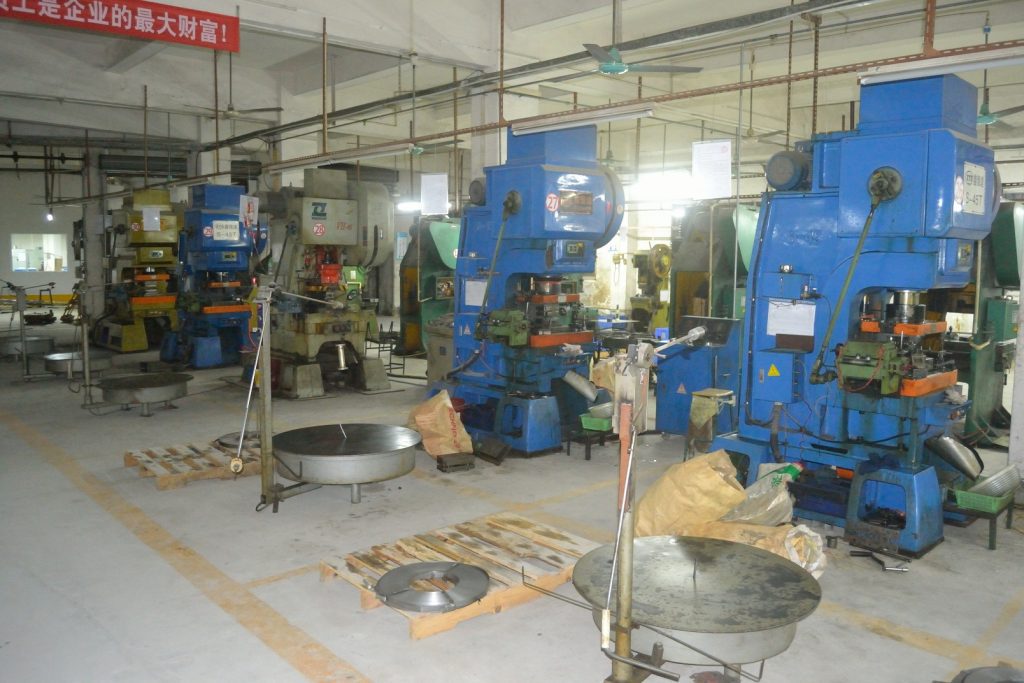
1. Understand Your Project Requirements
Before anything else, you need to fully understand the specific requirements of your stamping project. Consider factors such as:
- Strength and Durability: Does the part need to withstand heavy loads or stress over time?
- Corrosion Resistance: Will the part be exposed to moisture or harsh environments?
- Formability: Are you creating complex shapes that require high ductility?
- Surface Quality: Does the part need a smooth finish for appearance or functionality?
2. Choose Based on Strength and Durability
If your part will be subject to mechanical stress or heavy loads, you need a material with a high yield and tensile strength.
Cold-rolled steel (such as A1008 or A1018) is a great choice for applications that require precise shapes and strong components.
For heavier-duty applications, consider using hot-rolled steel or high-strength alloys.
3. Consider Corrosion Resistance Needs
If your stamped part will be exposed to the elements or harsh environments, you’ll need a material with excellent corrosion resistance. Pre-galvanized steel offers a protective zinc coating, which helps resist rust.
For even greater protection, you can choose a material like galvanized steel (G90) or stainless steel if you're working with particularly aggressive environments.
4. Prioritize Formability and Workability
For complex designs or parts that require intricate bending or stamping, formability is a key consideration. Annealed steel is ideal for projects requiring high workability, as it’s softer and more ductile compared to other steels.
This makes it easier to mold without cracking. If precision is needed, consider cold-rolled steel grades, which offer better surface finishes and tighter tolerances.
5. Balance Cost with Material Performance
While it’s tempting to choose the best material available, cost is always a consideration. Depending on your budget and the quantity of parts being produced, hot-rolled steel may provide a good balance between strength and cost-efficiency.
For large-volume productions, lower-cost materials like A1011 or Q235 (hot-rolled steel) can be a solid option without compromising performance.
6. Check Material Certifications and Standards
Make sure the material you select meets industry standards and certifications, such as ISO, ASTM, or JIS. Material certifications guarantee that the raw material meets specific quality requirements, ensuring the final product performs reliably and conforms to safety or regulatory standards.
7. Factor in Lead Times and Availability
Finally, consider the lead times for procuring materials. Some specialized grades may have longer wait times or be harder to source. Choose a material that not only fits your performance criteria but is also readily available to meet your project deadlines.
Conclusion
Selecting the right raw material for your steel stamping project can be a challenging yet rewarding process. If you’re unsure which material is best for your needs, don’t hesitate to reach out to us. Our team of experts is ready to assist you in making the right choice for your project.
FAQ
What is the difference between cold-rolled and hot-rolled steel for stamping?
Cold-rolled steel is processed at room temperature, providing better precision and surface quality, ideal for parts requiring tight tolerances. Hot-rolled steel is processed at high temperatures, making it easier to shape but with a rougher finish, suitable for less intricate applications.
How do I know if I need galvanized steel?
If your stamped parts will be exposed to outdoor conditions or moisture, galvanized steel provides a protective zinc coating that enhances corrosion resistance, making it ideal for such environments.
What is the most cost-effective material for high-volume stamping?
A: For large-scale production, hot-rolled steel (like A1011 or Q235) is often the most cost-effective option without sacrificing too much in strength and durability.
Can annealed steel be used for parts that require high strength?
While annealed steel offers excellent formability and workability, it’s generally not as strong as other steels like cold-rolled or hot-rolled steel. If strength is a priority, consider using stronger materials, depending on your needs.
Are there any certifications I should look for in raw materials?
A: Yes, always check for industry certifications such as ISO, ASTM, or JIS to ensure that the material meets quality standards and performs as expected.