
What Are The Best Steel Types For CNC Machining Projects?

Choosing the right steel for CNC machining can be confusing. Make the wrong choice, and you risk poor part quality or high costs. Let's explore the best options for your needs.
The "best" steel often depends on your specific needs. For easy machining, many customers prefer free-machining steels like 12L14 or 1215. If strength and toughness are critical, then alloy steels like 1045 or 4140 are frequently chosen options.
Selecting the ideal steel involves balancing machinability, strength, cost, and the final application requirements. Understanding the properties of common steel types helps ensure your CNC machining project is successful from the start. Let's dive deeper into some specific questions you might have.
What is the best steel for CNC machining?
Are you overwhelmed trying to pick the right steel? Choosing incorrectly can lead to difficult machining or parts that fail. Focus on machinability and what your part needs to do.
Again, "best" is relative. For pure ease of machining and fast production, 12L14 steel is often top. For a good balance of strength, toughness, and decent machinability, 1045 and 4140 steel are excellent, very popular choices.
When we talk about the "best" steel, we're usually balancing several factors. If your main goal is speed and low machining cost, nothing beats free-machining steels.
-
12L14 / 1215 Steel: These are low-carbon steels with added elements like lead (in 12L14) and sulfur/phosphorus. These additions make the steel break into small chips easily during cutting. This means faster cutting speeds, less tool wear, and a smoother surface finish right off the machine. They are great for high-volume parts where ultimate strength isn't the main concern. However, they aren't as strong or tough as other steels and aren't suitable for welding.
-
1045 Steel: This is a medium-carbon steel offering better strength and hardness than 12L14. It's still reasonably machinable, although not as easy as free-machining grades. It responds well to heat treatment for increased hardness. It's a good general-purpose steel for parts needing more durability.
-
4140 Steel: This is a chromium-molybdenum alloy steel known for its toughness, high tensile strength, and abrasion resistance, especially after heat treatment. It's harder to machine than 1045 or 12L14, requiring slower speeds and more robust tooling. It's chosen when strength and fatigue resistance are critical.
Here's a quick comparison:
| Steel Type | Key Feature | Machinability | Strength | Cost | Common Uses |
|---|---|---|---|---|---|
| 12L14/1215 | Free-Machining | Excellent | Low | Low-Medium | High-volume fittings, shafts |
| 1045 | Good Strength | Good | Medium | Medium | Gears, axles, bolts, studs |
| 4140 | High Toughness | Fair | High | Medium-High | Shafts, gears, fixtures, tooling |
So, the "best" steel really comes down to what you need the final part to achieve.
What is the best material for CNC machine?
Thinking beyond just steel types can be confusing. Does using aluminum or plastic change everything? Understanding key material properties helps choose the right one for CNC machining, regardless of type.
The best material isn't universal; it depends entirely on the part's function. Key factors include machinability, required strength, corrosion needs, weight limits, and budget. Metals like aluminum and steel, along with plastics, are common.
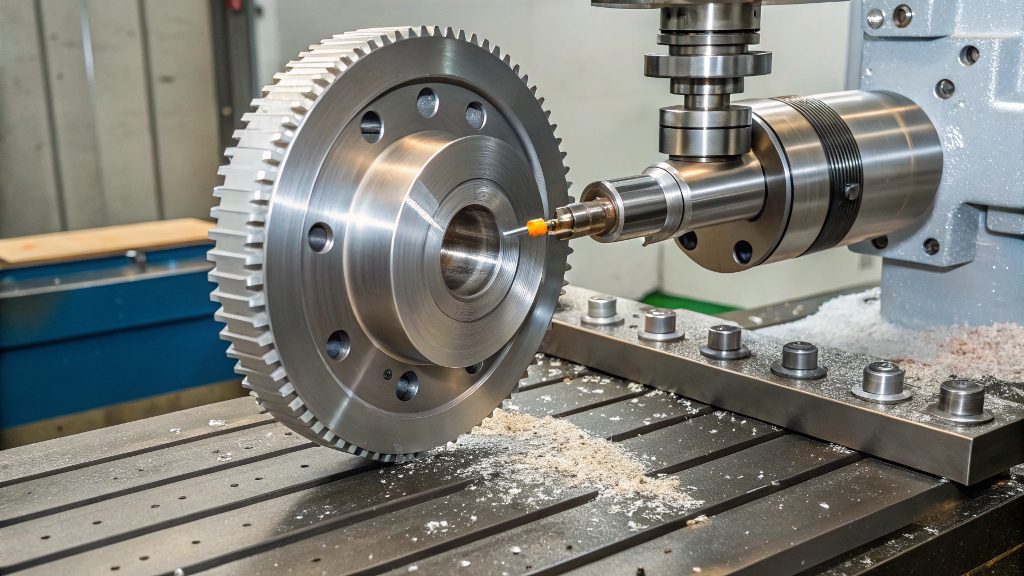
While steel is incredibly versatile, sometimes other materials are a better fit for CNC machining. What makes any material "good" for CNC? It comes down to how easily and predictably it can be cut into the desired shape, balanced against the properties needed in the final part.
Key properties we consider:
-
Machinability: This is crucial. It refers to how easily a material can be cut, how well it forms chips, the wear it causes on cutting tools, and the surface finish achievable. Materials like brass, aluminum, and free-machining steels rate highly here. Harder materials like titanium or stainless steel are more challenging.
-
Strength and Hardness: Does the part need to withstand significant loads or impacts? High-strength steels (like 4140), stainless steels, or titanium might be necessary, even if they are harder to machine. Softer materials like aluminum or plastics are easier to cut but less strong.
-
Thermal Stability: Machining generates heat. Materials that don't warp or deform easily under heat are preferred. Good thermal conductivity can also help dissipate heat away from the cutting zone.
-
Cost: Material cost is always a factor. Exotic alloys or high-performance plastics can be expensive. This must be balanced against the cost of machining (easier-to-machine materials often mean lower machining time and cost) and the required performance of the part.
-
Other Factors: Corrosion resistance (stainless steel, aluminum, plastics), weight (aluminum, plastics, titanium), and electrical conductivity (copper, brass, aluminum) also guide material selection.
Common CNC materials beyond steel include Aluminum (especially 6061), Brass, Copper, Titanium, and plastics like Delrin (Acetal), Nylon, PEEK, and Polycarbonate. Each has its own balance of properties.
Is 4140 steel good for machining?
You've heard about 4140 steel for its strength. But does that make it difficult for CNC projects? Let's look specifically at how well 4140 behaves during the machining process.
Yes, 4140 steel is reasonably machinable, especially in its softer, annealed state. Its toughness means you need slower speeds and stronger tooling compared to mild steels, but its excellent strength makes it a popular choice.
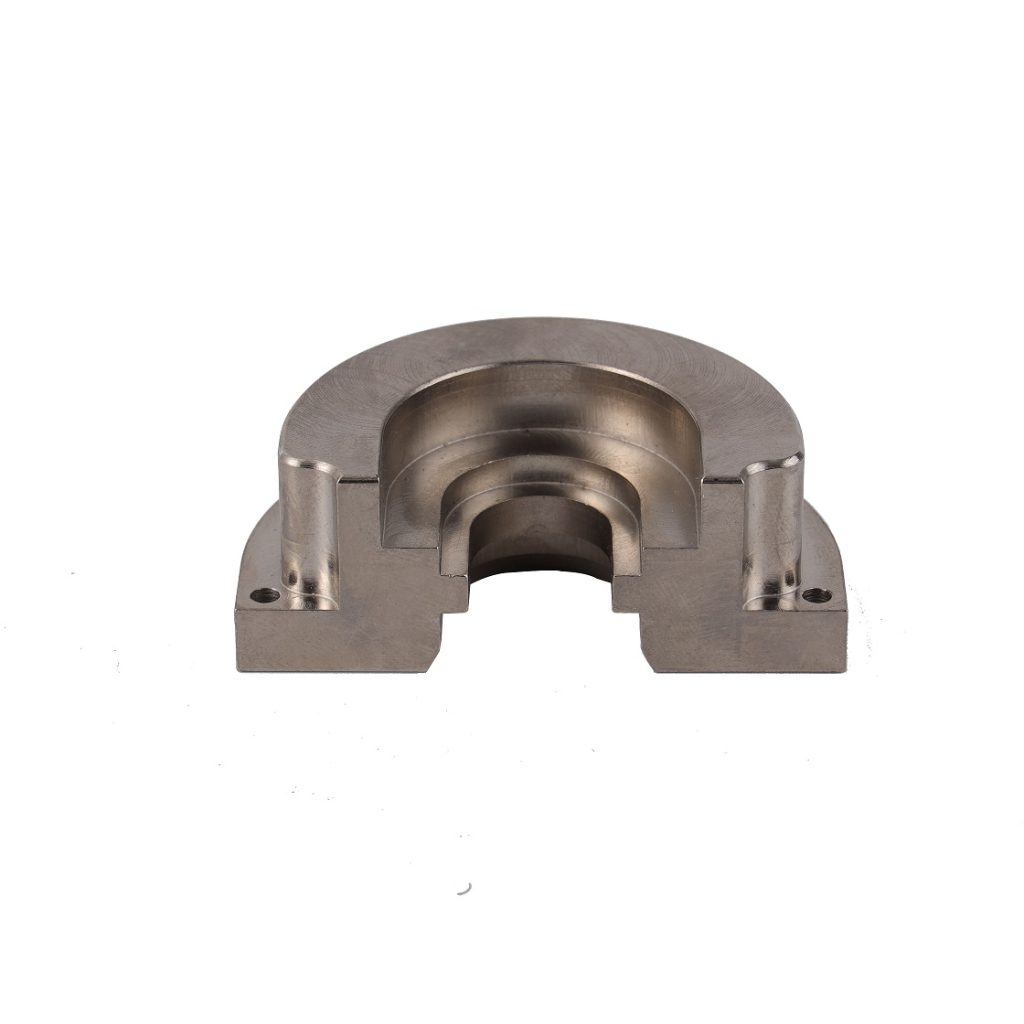
4140 alloy steel is a fantastic material when you need parts that are strong, tough, and resistant to wear. But how does it handle being cut on a CNC machine? Its machinability is generally rated as "fair". It's definitely not as easy as something like 12L14, but it's manageable with the right approach.
Here's what affects machining 4140:
-
Material Condition: 4140 is often machined in the annealed (softened) condition, which is easiest. It can also be machined pre-hardened (PHT) or quenched and tempered (Q&T). Machining gets progressively harder as the steel's hardness increases. Pre-hardened 4140 (around 28-32 HRC) offers good strength without needing post-machining heat treatment, but it requires more rigid setups and careful tool selection.
-
Tooling: Because 4140 is tough, standard high-speed steel (HSS) tools might struggle, especially with hardened material. Carbide tooling is generally recommended for better tool life and performance. Coated carbide tools can further improve results.
-
Speeds and Feeds: Compared to mild steels, you'll typically need to use lower cutting speeds to manage heat and tool wear. However, you can often use relatively high feed rates (how fast the tool moves into the material) with rigid setups. Finding the right balance is key.
-
Coolant: Using a good quality coolant is very important. It helps dissipate the significant heat generated, lubricates the cutting action, and flushes chips away from the cutting zone, preventing tool breakage and improving surface finish.
Despite requiring more care than simpler steels, 4140 is machined successfully every day for demanding applications like shafts, axles, gears, bolts, and machine tool components where its superior mechanical properties are essential.
What metal is used in a CNC machine?
Are you curious about the variety of metals we handle? Knowing the range might help you decide if CNC machining fits your metal part needs. Let's explore the common metals processed daily.
CNC machines work with a huge range of metals. Some of the most frequent include aluminum alloys (like 6061), various steels (carbon, alloy, stainless, tool), brass, copper, and titanium. The choice depends on the part's requirements.
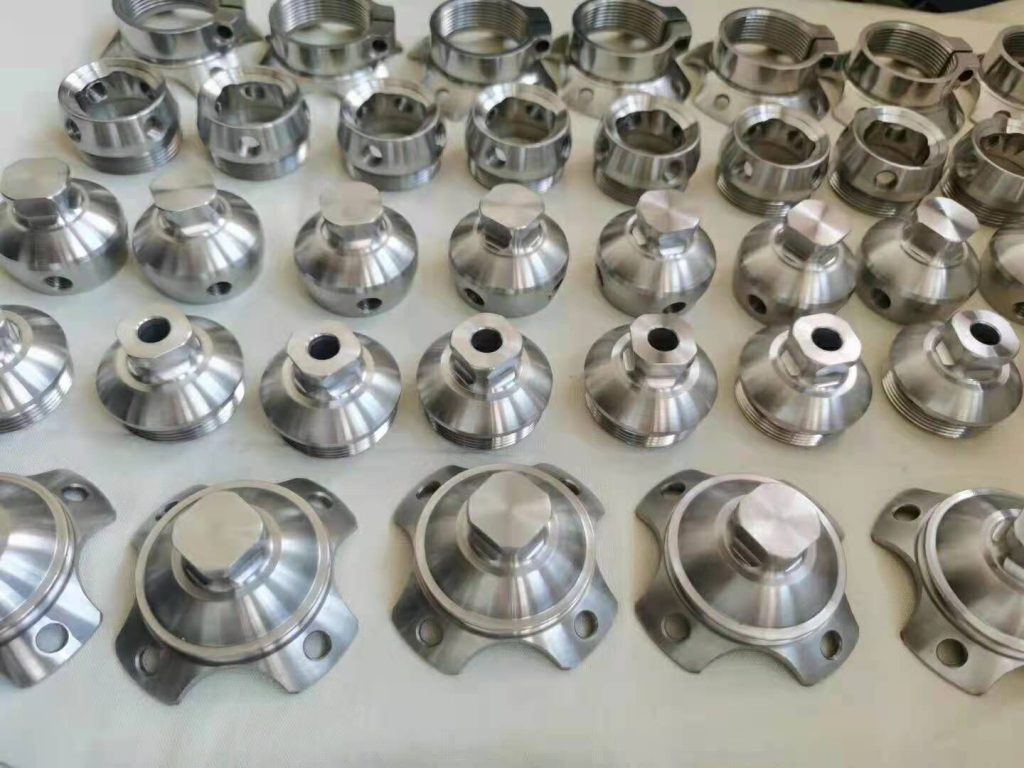
CNC machines are incredibly versatile tools capable of shaping many different metals. While we've focused a lot on steel, it's just one category among many that we commonly work with at Worthy. The specific metal chosen for a project depends entirely on what the final part needs to do – its strength requirements, weight limits, operating environment, and budget.
Here are some of the most popular metals we process using CNC:
-
Aluminum Alloys: Extremely popular, especially grades like 6061. Aluminum is lightweight, has excellent corrosion resistance, good thermal and electrical conductivity, and is very easy to machine. This often translates to faster production times and lower costs compared to steel. It's used everywhere, from aerospace components to consumer electronics casings.
-
Steel: As discussed, this includes various types:
- Carbon Steels: (e.g., 1018, 1045) Offer good strength at low cost.
- Alloy Steels: (e.g., 4140, 4340) Enhanced properties like strength and toughness through added elements.
- Stainless Steels: (e.g., 304, 316, 17-4 PH) Offer excellent corrosion resistance and good strength. More challenging to machine than carbon steels.
- Tool Steels: (e.g., A2, D2) Very hard and wear-resistant, used for making tools, dies, and molds. Difficult to machine.
-
Brass: An alloy of copper and zinc. It's known for very high machinability, good corrosion resistance, and aesthetic appearance. Often used for fittings, valves, and decorative parts.
-
Copper: Valued for its outstanding electrical and thermal conductivity. Machinability is fair. Used for electrical contacts, heat sinks, and plumbing components.
-
Titanium: Offers an exceptional strength-to-weight ratio and excellent corrosion resistance, especially in harsh environments. However, it is expensive and challenging to machine due to its toughness and poor thermal conductivity. Common in aerospace, medical implants, and high-performance automotive parts.
-
Others: We also machine materials like Bronze, Magnesium alloys, and sometimes even more exotic metals depending on customer requirements.
Essentially, if it's a metal that needs precise shaping, CNC machining is likely a suitable process.
Conclusion
Choosing the right steel involves balancing machinability, strength, cost, and application. Common choices like 12L14 offer ease, while 1045 and 4140 provide greater strength for demanding parts.