Struggling to reduce weight in your designs without sacrificing strength? This constant battle impacts fuel costs and performance. Magnesium alloys offer a powerful solution, providing exceptional strength at a much lower weight.
Magnesium is the top choice for aerospace parts because it is the lightest structural metal available. It provides a superior strength-to-weight ratio, excellent vibration damping, and heat dissipation. This makes aircraft lighter, more fuel-efficient, and higher performing, a critical advantage in the industry.
As a CNC machining expert in China, I've seen firsthand the shift towards high-performance materials. For years, my clients, especially those in North America and Europe, have been pushing the limits of what's possible. They need parts that are lighter, stronger, and more precise than ever before. This is where magnesium really shines. The benefits are clear, but it's the specific reasons behind this trend that are truly fascinating. Let's break down exactly why aerospace engineers are increasingly turning to this amazing metal for their most critical components.
Choosing the right material for an aircraft part is a high-stakes decision. The wrong choice can lead to inefficiency or even failure. The constant pressure to innovate makes this choice even harder.
Magnesium is used in aerospace mainly for massive weight reduction. Its very low density, combined with good strength, lets us create lighter parts without compromising safety. This directly improves fuel efficiency, increases payload capacity, and boosts the overall performance of the aircraft.
When my clients send me drawings for aerospace parts, weight is almost always the number one concern. The simple answer for using magnesium is its low density. It's about 33% lighter than aluminum and 75% lighter than steel. This is a huge advantage in an industry where every gram counts. Reducing the weight of an aircraft means it needs less fuel to fly, can carry more cargo or passengers, and can fly farther. We've machined many parts where this property was the deciding factor.
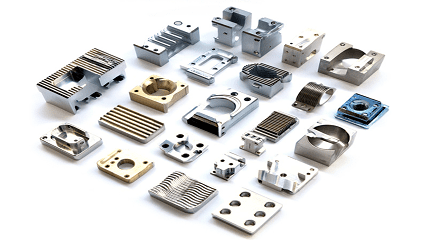
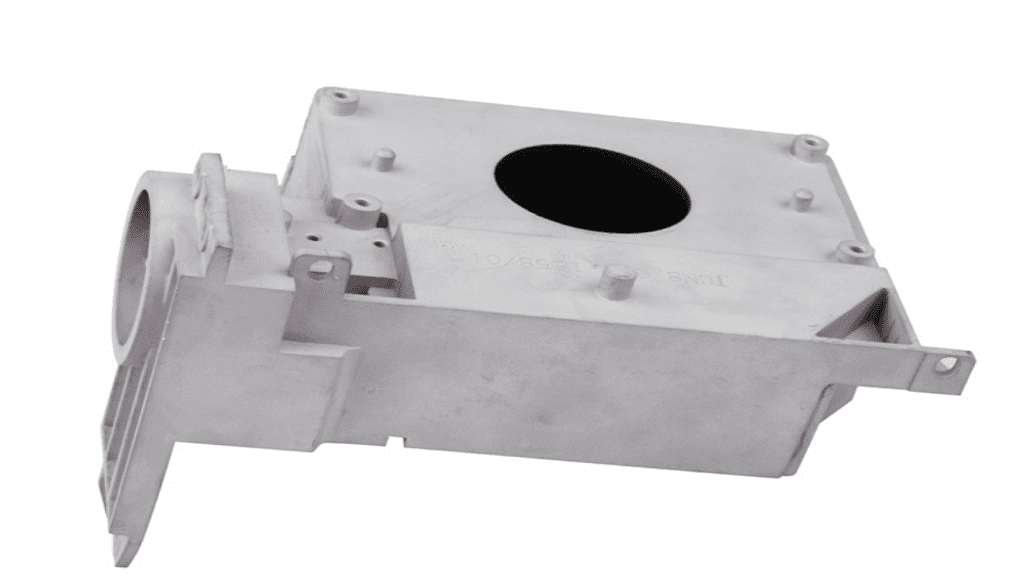
But it’s not just about being light. I remember a project for a client in Canada who needed complex gearbox casings. These parts needed more than just low weight; they also had to handle intense vibrations from the engine. Magnesium has excellent damping capacity, meaning it's great at absorbing vibrations and noise. This quality is critical for both the longevity of the equipment and the comfort of the passengers. The material's ability to be precisely machined into complex shapes also makes it perfect for these kinds of custom parts.
Why is magnesium used to make parts of aircraft give reason?
You might wonder if being lightweight is the only reason to choose magnesium. When a part is critical for flight safety, you need more than just one benefit. What truly justifies its use?
Magnesium is used for specific aircraft parts due to its unique combination of properties. Beyond being lightweight, it offers excellent thermal conductivity to dissipate heat from engines and electronics, and provides natural electromagnetic shielding to protect sensitive avionics from interference.
The reasons for using magnesium go much deeper than just its weight. Many of the aerospace components we manufacture at Worthy Hardware are housings for sensitive electronics or parts located near the engine. Let's look at the specific reasons why magnesium is the ideal choice here.
Key Reasons for Magnesium Use
Property
Benefit in Aerospace
Example Application
High Thermal Conductivity
It pulls heat away from critical components quickly, preventing them from overheating.
Engine components, electronic housings
Electromagnetic Shielding
It naturally blocks electromagnetic interference (EMI), protecting sensitive navigation and communication systems.
Avionics enclosures, control boxes
High Machinability
It can be machined faster than aluminum or steel, which can reduce production time and costs for complex parts.
Brackets, intricate structural parts
Vibration Damping
It absorbs vibrations effectively, reducing material fatigue and noise.
Gearbox casings, mounting frames
A customer from the US once needed a series of intricate enclosures for an avionics system. The primary challenge was protecting the internal electronics from the engine's heat and electrical noise. By using a magnesium alloy, we were able to create a lightweight housing that acted as a natural heat sink and an EMI shield. This eliminated the need for extra shielding materials, saving both weight and assembly complexity. This is a perfect example of how one material can solve multiple engineering problems at once.
Which material property is most important when choosing materials for aerospace applications?
Engineers face a tough balancing act. They have to consider cost, strength, durability, and weight. With so many factors, how do you decide which one is the most important for aerospace designs?
The most important property for aerospace materials is the strength-to-weight ratio. This single metric determines how much structural load a material can handle for a given weight. A high ratio allows for building strong, durable, yet lightweight aircraft, which is essential for performance.
While many properties matter, the conversation with my clients always comes back to the strength-to-weight ratio. It's the king of all metrics in aerospace. An aircraft must be strong enough to withstand the incredible forces of flight, but light enough to take off and fly efficiently. Magnesium alloys excel here. They provide the necessary strength to function as structural components but without the weight penalty of traditional metals like steel or even aluminum.
For example, we often machine landing gear components, which must endure enormous stress. Here, you might think steel is the only option. But certain magnesium alloys, when designed and manufactured correctly, can meet the strength requirements at a significantly lower weight. This doesn't mean magnesium is right for every part. Temperature resistance and corrosion have been historical challenges, though modern alloys and surface finishes have greatly improved these aspects. At Worthy Hardware, we often recommend specific surface treatments, like anodizing or special coatings, to enhance the durability of magnesium parts and protect them from the elements. This ensures our customers get all the benefits of magnesium without the traditional downsides.
What are the advantages of magnesium material?
So, you're convinced that magnesium is a great choice for aerospace. But what are the other practical benefits that make it an attractive option for a business owner or procurement manager?
The key advantages of magnesium are its extremely low density, high strength-to-weight ratio, excellent machinability, and superior damping capacity. It is also an abundant and recyclable material, making it a more environmentally sustainable choice compared to some other high-performance metals.
As someone running a CNC machining business, I see the advantages of magnesium from both an engineering and a business perspective. My customers, like Mark from Canada, are always looking for quality, competitive pricing, and reliable delivery. Magnesium helps us deliver on all three fronts.
First, its excellent machinability is a huge plus. We can cut magnesium alloys faster and with less tool wear compared to harder metals. This means we can produce complex parts more quickly, which helps us offer flexible delivery times and competitive pricing. When a client needs a prototype fast, magnesium is often my go-to recommendation.
Second, beyond the technical specs, magnesium is the eighth most abundant element on Earth. This availability helps keep raw material costs relatively stable. Furthermore, it's 100% recyclable. For companies focused on sustainability, this is a major selling point. We can melt down and reuse scrap material with no loss of quality. This not only reduces waste but also lowers the energy required for production, which is a win for both the environment and the budget. These business-friendly advantages, combined with its outstanding performance properties, are why magnesium is no longer a niche material but a mainstream choice for innovation.
Conclusion
Magnesium's unique blend of low weight, high strength, and other key properties makes it an unbeatable material for modern aerospace. It directly answers the industry's demand for lighter, more efficient aircraft.