
Which Materials Offer The Best Surface Finish In CNC Machining?
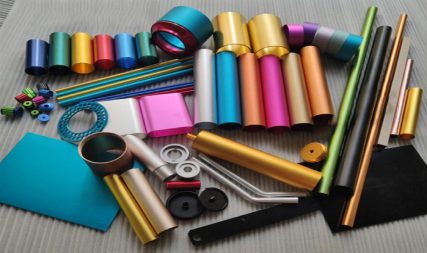
Struggling with rough CNC part surfaces? This costs you time and money. Understanding material choice is key to achieving that perfect, smooth finish you need.
Aluminum alloys, particularly grades like 6061, often provide the best surface finish in CNC machining due to their excellent machinability. Other materials like brass and certain plastics also yield smooth surfaces when machined correctly.
Achieving a flawless surface finish isn't just about picking one "magic" material. Many factors come into play. If you're keen to learn how different elements contribute to that mirror-like or perfectly matte surface, and how we at Worthy Hardware consistently deliver top-notch finishes, then let's explore this further. This knowledge can save you headaches and improve your final product.
What is the best material for CNC machine?
Overwhelmed by material choices for your CNC project? Selecting the wrong one can lead to poor results or excessive costs. Let's clarify what makes a material "best."
The "best" material depends on your specific application needs, including strength, cost, and desired finish. However, for general machinability and excellent surface finish, aluminum alloys are often a top choice in CNC machining.
When I talk to clients, like Mark Chen from Canada who needs high-quality parts at competitive prices, the "best" material is always a hot topic. There isn't a single answer, as it truly depends on the end-use. For example, if high strength is paramount, stainless steel or certain alloy steels might be selected, though they can be tougher to machine and achieve a fine finish on without specific strategies. If you need electrical insulation or light weight, plastics like Delrin (Acetal) or PEEK come into play.
At Worthy, we work with over 100 materials, from various metals like titanium and copper to a wide array of plastics. However, based on my years of experience, when a superior surface finish is a primary goal, aluminum alloys, especially 6061 or 7075, are fantastic. They cut cleanly, allow for high machining speeds, and provide a naturally bright finish that’s also an excellent base for anodizing. Brass is another metal that machines beautifully and gives a superb finish.
Which technique gives better surface finish?
Are your machined parts not meeting surface quality standards? The technique used is as crucial as the material. Poor technique means rough, unacceptable finishes, costing you more.
High-speed machining (HSM) with light radial engagement and optimized toolpaths, along with using sharp tools and appropriate coolants, generally yields a better surface finish. Grinding, if applicable, offers even finer finishes.
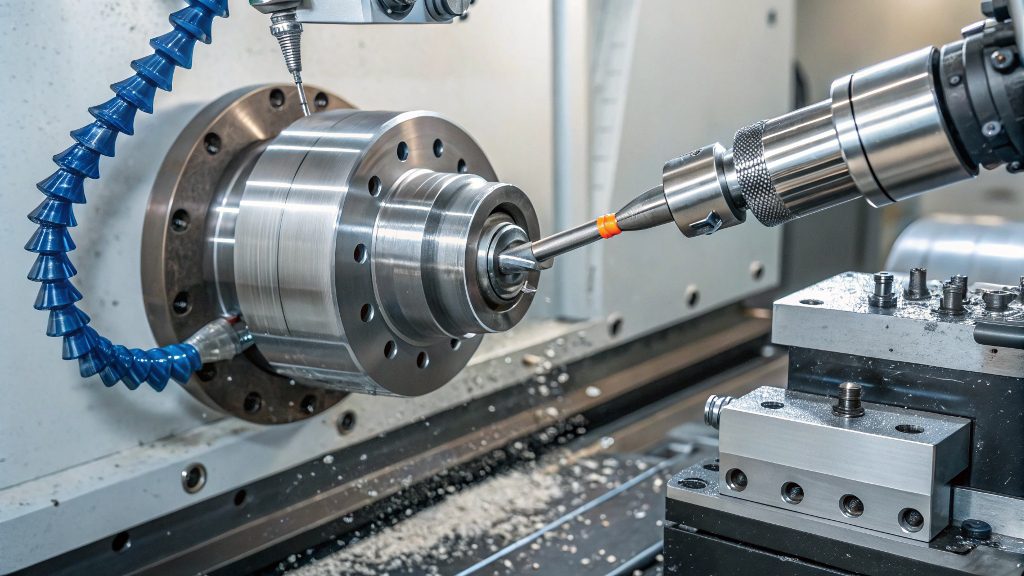
It's not just about what machine you have, but how you use it. At Worthy Hardware, our engineers have rich experience in optimizing machining techniques. For instance, when we're doing 5-axis CNC machining, the toolpath strategy is critical. Using techniques like trochoidal milling or peel milling for roughing, followed by very light, consistent step-over finishing passes, can make a world of difference. The direction of cut (climb vs. conventional milling) also plays a role.
For turned parts, the nose radius of the turning insert is a big factor; a larger radius generally gives a smoother finish but can increase cutting forces.
We also pay close attention to speeds and feeds – too slow can cause rubbing, too fast can cause tool wear or chatter, both detrimental to the finish. Proper coolant application is vital too, not just for cooling but also for chip evacuation, which prevents chips from marring the freshly cut surface. It's a combination of these factors, carefully controlled, that produces the precision machining results our clients expect.
Which metal cutting operation gives better surface finish?
Are you seeing inconsistencies in surface finish across different features of your metal parts? Not all cutting operations are equal when it comes to smoothness. Some create inherent roughness.
Fine finishing passes in milling or turning, grinding, and lapping/honing (though often secondary) are metal cutting operations that provide superior surface finishes. Reaming also improves the finish of drilled holes.

When we're talking about getting that really smooth, almost reflective surface on metal parts, specific cutting operations are key. A roughing operation is designed to remove material quickly, not for finish. So, the final surface quality comes from the finishing passes.
In milling, this means using a sharp end mill, often with a high helix angle or more flutes, taking a very light depth of cut and width of cut at an optimized feed rate. For turned parts, a dedicated finishing tool with the right insert geometry and a light depth of cut is used. If the design allows, grinding is an excellent operation for achieving very fine surface finishes and tight tolerances on flat or cylindrical surfaces.
While lapping and honing are more specialized and often post-machining processes, they represent the pinnacle of surface finishing operations for metals. Even for holes, drilling alone might leave a relatively rough surface; reaming or boring operations are used to improve the hole’s diameter accuracy and its surface finish.
At Worthy, we ensure every product undergoes 100% inspection, and this includes verifying the surface finish to meet specifications, often reaching Ra 1.6 or even better when required.
How to get better surface finish in machining?
Frustrated by subpar surface finishes despite your efforts? Achieving a great finish involves many details. Overlooking even one can compromise the quality of your CNC parts.
To get a better surface finish: select appropriate materials, use sharp and correct tooling, optimize cutting speeds and feeds, ensure machine rigidity, use effective coolants, and consider post-machining finishing processes.
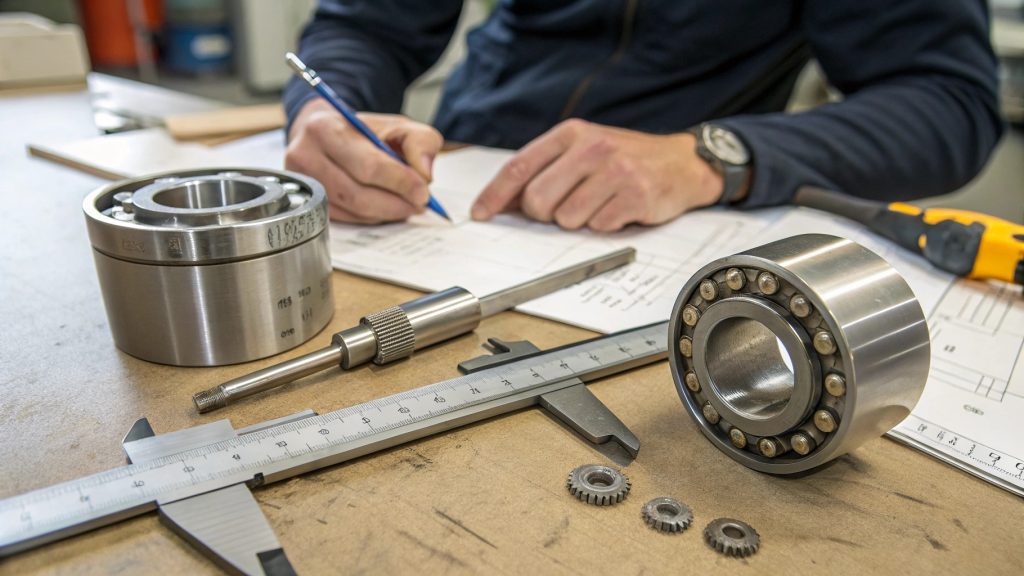
Getting a consistently better surface finish is a holistic process.
First, as I mentioned, material selection is crucial. Some aluminum alloys, like 6061, are forgiving and machine to a great finish easily.
Second, your tooling must be right: use sharp, high-quality tools designed for the material you're cutting. The tool geometry, like corner radius on an end mill or insert, significantly impacts finish.
Third, cutting parameters – your speeds, feeds, and depth of cut – need to be optimized for finishing, not roughing. This often means higher speeds and lower feed rates for the final pass.
Fourth, ensure your CNC machine is rigid and well-maintained; any vibration or play in the machine will transfer to the part surface.
Fifth, use coolant effectively. It reduces friction, cools the tool and workpiece, and helps flush away chips that could mar the surface.
Finally, consider if a secondary surface finishing process is needed. We offer over 50 surface finishes at Worthy, like anodizing for aluminum, which not only protects but can also enhance the perceived smoothness, or bead blasting for a uniform matte finish. Our engineers are always ready to help customers improve designs to achieve better finishes cost-effectively. This proactive approach helps avoid issues like those Mark Chen sometimes faced with previous suppliers regarding quality.
Conclusion
Achieving the best CNC surface finish involves smart material choice, correct techniques, and optimized operations. Aluminum often excels, but a holistic approach guarantees superior results.