
What Is The Difference Between 430 And 304 Stainless Steel?
Choosing the wrong stainless steel can ruin your project. Your parts could rust and fail, costing you time and money. Let's compare 430 and 304 to ensure you choose correctly.
The main difference is nickel. 304 stainless steel contains nickel, which makes it much more resistant to rust and tougher overall. 430 stainless steel has no nickel, making it cheaper but more prone to corrosion, especially outdoors or in chemical environments. 304 is the superior choice for durability.
Selecting the right material is one of the most important decisions in any machining project. This choice affects everything from your budget to the final product's lifespan. You probably have more specific questions now. Let's break down some of the most common ones I hear from my clients.
Will 430 stainless steel rust outside?
You need parts for an outdoor project but have a tight budget. Using a metal that rusts will destroy your product and your reputation. You need an affordable, reliable solution.
Yes, 430 stainless steel will likely rust outside over time. It can resist oxidation from natural factors like rain for a short period. But it cannot fight off rust from chemicals in the air, like salt or pollution. For outdoor use, 304 is a much safer choice.
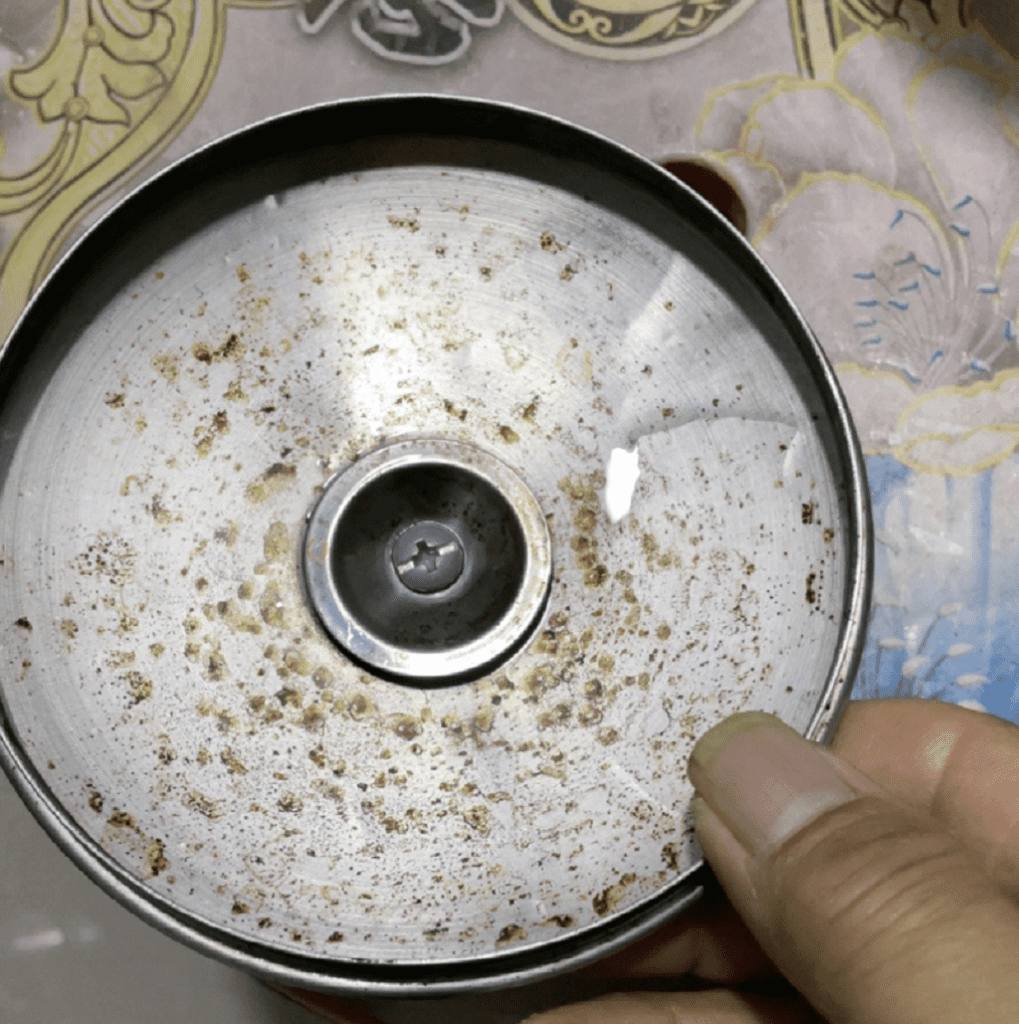
At my company, Worthy, we often get requests for outdoor components. A client once asked for 430 steel for some decorative exterior fixtures to save costs. I had to explain the risk. 430 stainless steel's composition is mainly iron and over 12% chromium. This chromium creates a passive layer that protects against some corrosion. However, this protection is limited.
Key Factors for Outdoor Corrosion
- Environment: If the parts are near the coast, the salt in the air will quickly attack 430 steel. In industrial areas, pollution will have the same effect.
- Time: While it might look fine for a few months, visible rust spots can appear over a longer period. This is often called "tea staining."
- Maintenance: You can prolong its life with regular cleaning, but most clients want a low-maintenance solution.
For any application where the part is exposed to the elements, I always tell my clients that spending a bit more on 304 stainless steel is a wise investment. It saves them from future headaches and replacement costs.
Is 430 stainless better than 304?
You hear that 430 steel is cheaper and want to save money. But you worry if this lower cost means you are getting a lower quality product that might fail later on.
No, 430 stainless steel is not better than 304 in terms of performance and durability. 304 has superior corrosion resistance, toughness, and formability because it contains nickel. 430's only main advantage is its lower cost, making it suitable for specific indoor, non-critical applications.
Let's look at the facts directly. The choice between 430 and 304 is not about which is "better" overall, but which is better for your specific project. I always ask my customers three questions: Where will the part be used? What stresses will it face? What is your long-term goal for this product? The answers usually point to the right material. If you need a part for a tough industrial environment or a medical device, 304 is the only option. If you need a simple decorative bracket for inside a dry room, 430 might be perfect.
Here is a simple comparison to help you decide.
| Feature | 430 Stainless Steel | 304 Stainless Steel |
|---|---|---|
| Corrosion Resistance | Fair | Excellent |
| Cost | Lower | Higher |
| Durability / Toughness | Good, but more brittle | Excellent, very tough |
| Magnetic? | Yes | No |
| Common Uses | Kitchen appliances, decorative trim | Food equipment, chemical tanks, hardware |
The presence of nickel in 304 makes all the difference. Nickel stabilizes the austenitic structure of the steel, making it non-magnetic and much tougher.
What are the disadvantages of 430 steel?
You are considering 430 steel because the price is attractive. But you know there are always trade-offs. You need to understand the hidden risks before you commit to an order.
The main disadvantage of 430 steel is its poor corrosion resistance compared to the 300 series. It is also more difficult to weld and can become brittle. It is not suitable for very low temperatures and has lower strength and formability than 304 stainless steel.
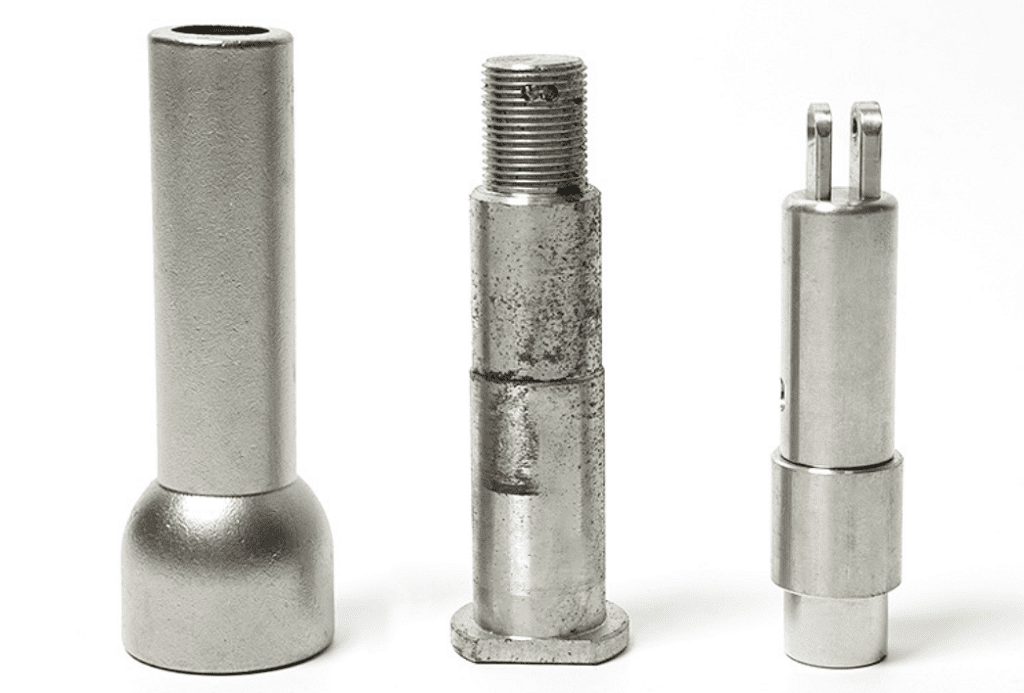
I've seen projects face problems because the limitations of 430 steel were not considered. For example, a customer from North America wanted to create custom barbecue grills. They initially chose 430 to keep costs down. While 430 is used in some appliances, the high heat, constant cleaning, and exposure to acidic sauces caused the grills to show rust spots much sooner than expected.
Major Drawbacks Explained
- Poor Weldability: When 430 steel is welded, the area around the weld can become brittle. This requires special post-weld heat treatment to restore its properties, which adds cost and complexity.
- Limited Formability: You cannot form 430 steel into complex shapes as easily as 304. It is more likely to crack during deep drawing or aggressive bending operations.
- Low-Temperature Brittleness: In very cold environments, 430 steel can lose its toughness and become brittle. This makes it a poor choice for any application that involves freezing temperatures.
- Susceptible to Specific Corrosion: It is particularly vulnerable to pitting and crevice corrosion, especially in environments with chlorides, like salt water.
Understanding these points is critical. For many of our clients in the automotive or robotics industries, these disadvantages make 430 steel a non-starter.
What is 430 stainless steel used for?
You know the limitations of 430 steel. Now you wonder where it actually makes sense to use this material. You want to see practical, real-world examples to guide your decision.
430 stainless steel is mainly used for indoor applications where high corrosion resistance is not needed. Common uses include decorative trim, kitchen appliance panels like refrigerators and dishwashers, sinks, and other items in mild environments where cost is a major factor.
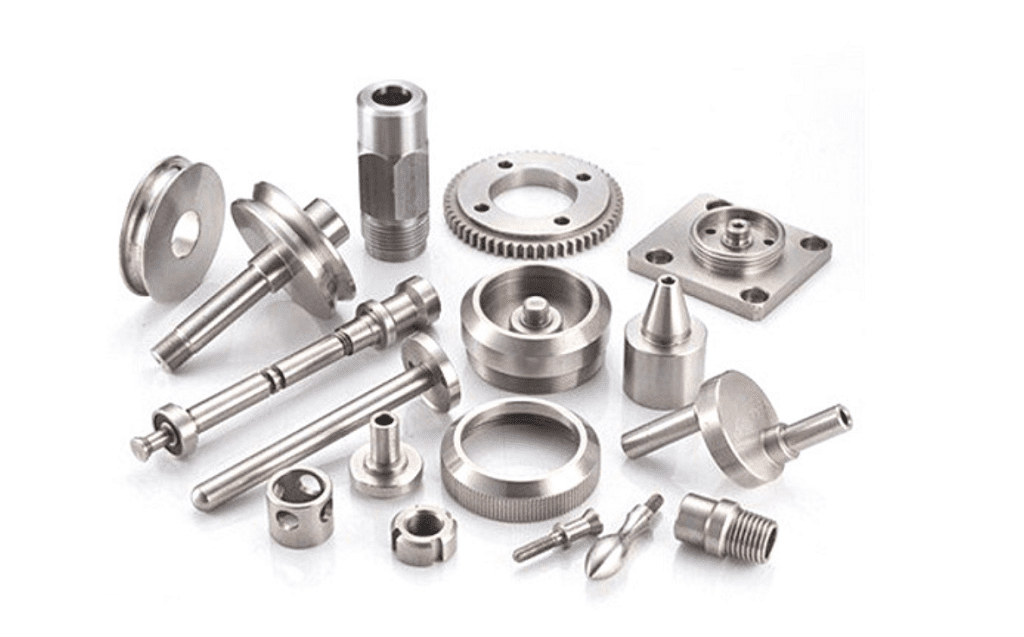
We get a lot of CNC machining orders for parts used in consumer products. For these clients, appearance and cost are top priorities. 430 stainless steel offers a bright, polished finish that looks great, and its magnetic properties can be useful for certain applications, like some refrigerator doors. The key is that these products live indoors, away from harsh weather or chemicals.
Common Applications for 430 Steel
- Kitchenware: Inexpensive sinks, liners for dishwashers, range hoods, and cutlery often use 430. It can handle daily water exposure but is not meant for constant contact with harsh cleaning agents.
- Automotive Trim: For decorative elements inside a car, 430 provides a metallic look without the high cost of chrome plating or other stainless grades.
- Industrial Fasteners: In dry, indoor industrial settings, some nuts, bolts, and screws are made from 430 steel.
- Heat Exchangers: In certain types of furnaces, its resistance to nitric acid makes it a suitable, low-cost choice.
Conclusion
In summary, 304 stainless steel offers superior rust resistance and durability due to its nickel content. 430 is a cheaper, magnetic alternative best suited for indoor or decorative use.