
What Is PTFE CNC Machining and Why Is It Preferred for Chemical Applications?
Struggling to find a material that won't corrode in harsh chemical environments? Standard materials fail, causing costly downtime. PTFE CNC machining[^1] provides the ultimate chemical resistance and reliability.
PTFE, also known as Teflon, is a high-performance plastic machined via CNC for its superior chemical resistance. It's ideal for chemical applications because it resists strong acids and corrosive substances, ensuring parts don't degrade or contaminate processes, making it a reliable choice for seals and pump components.
So, you can see why PTFE is a big deal in the chemical world. I’ve helped many customers, just like Mark from Canada, who needed parts that could withstand aggressive chemicals without failing. But how do we actually shape this unique material into precise components? Let's dive into the specifics of machining PTFE and explore what makes it both a challenge and an opportunity for your projects.
Can you CNC PTFE?
Wondering if you can get custom PTFE parts with tight tolerances? Its soft, slippery nature seems impossible to machine precisely. But yes, with the right tools and expertise, it's very achievable.
Yes, you can absolutely CNC machine PTFE. However, it requires special care due to its softness and poor heat conductivity. Sharp tools, high speeds, low feed rates, and effective chip removal are crucial to prevent melting, deformation, and achieve the precise tolerances your project needs.
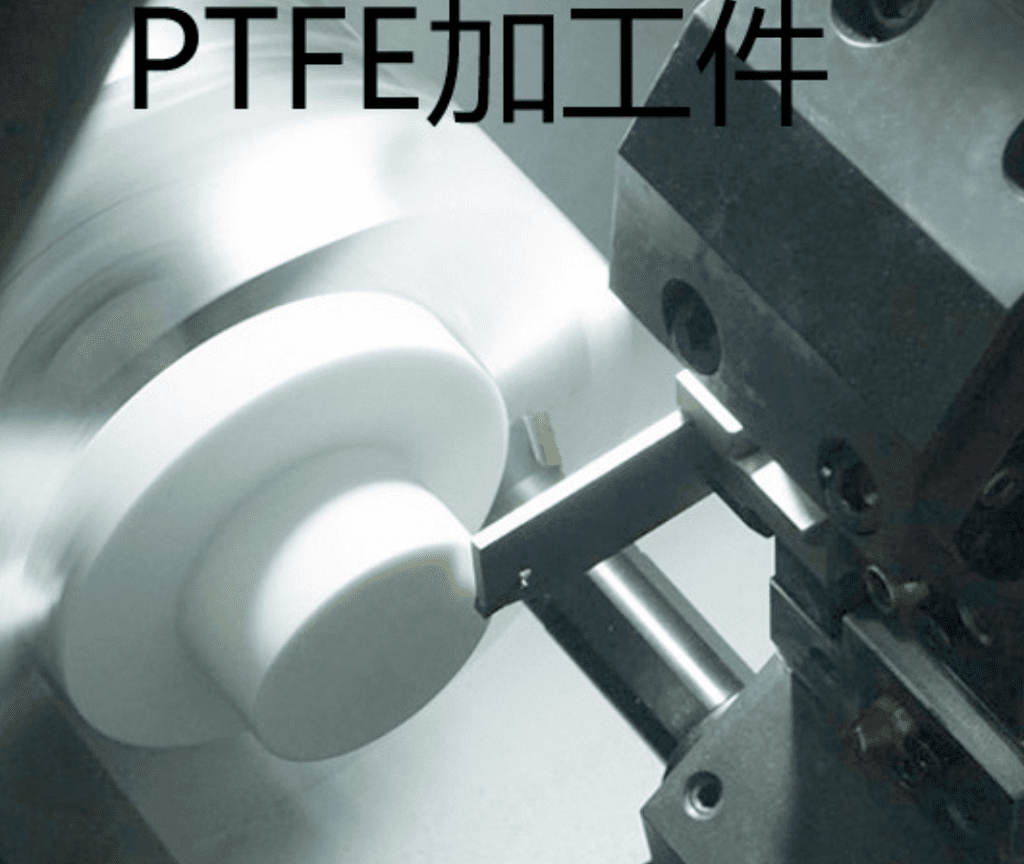
At my company, Worthy, we work with PTFE all the time. It’s a fantastic material, but you have to know how to handle it. Because it's so soft, it can easily deform or get crushed if you don't secure it properly in the machine. It also doesn't transfer heat well, which means heat builds up right at the cutting edge. This can cause the material to melt or get gummy if you’re not careful. To get around these issues, we follow some key principles. Using extremely sharp tools is non-negotiable, as this shears the material cleanly instead of pushing it around. We also run our machines at very high spindle speeds but with a slow feed rate to manage heat and ensure a smooth finish.
Key Parameters for Machining PTFE
| Machining Parameter | Our Approach | Why It's Important |
|---|---|---|
| Tooling | Very sharp, with high positive rake angles | Prevents tearing the soft material and ensures clean cuts. |
| Speeds & Feeds | High spindle speed, low feed rate | Avoids heat buildup, which can melt or deform the part. |
| Coolant | Often machined dry or with a compressed air blast | Prevents material from absorbing liquid coolants and changing size. |
| Workholding | Gentle, distributed clamping pressure | Avoids crushing or deforming the part during machining. |
What are the advantages and disadvantages of manufacturing and using PTFE?
Considering PTFE for your project? You've heard it's a great material, but you're worried about the hidden downsides. Here is a clear, balanced look at its pros and cons.
PTFE's main advantages are its incredible chemical resistance, low friction, and high-temperature tolerance. The disadvantages include its low mechanical strength, tendency to "creep" under load, and higher cost compared to common plastics. Understanding this trade-off is key to using it correctly.
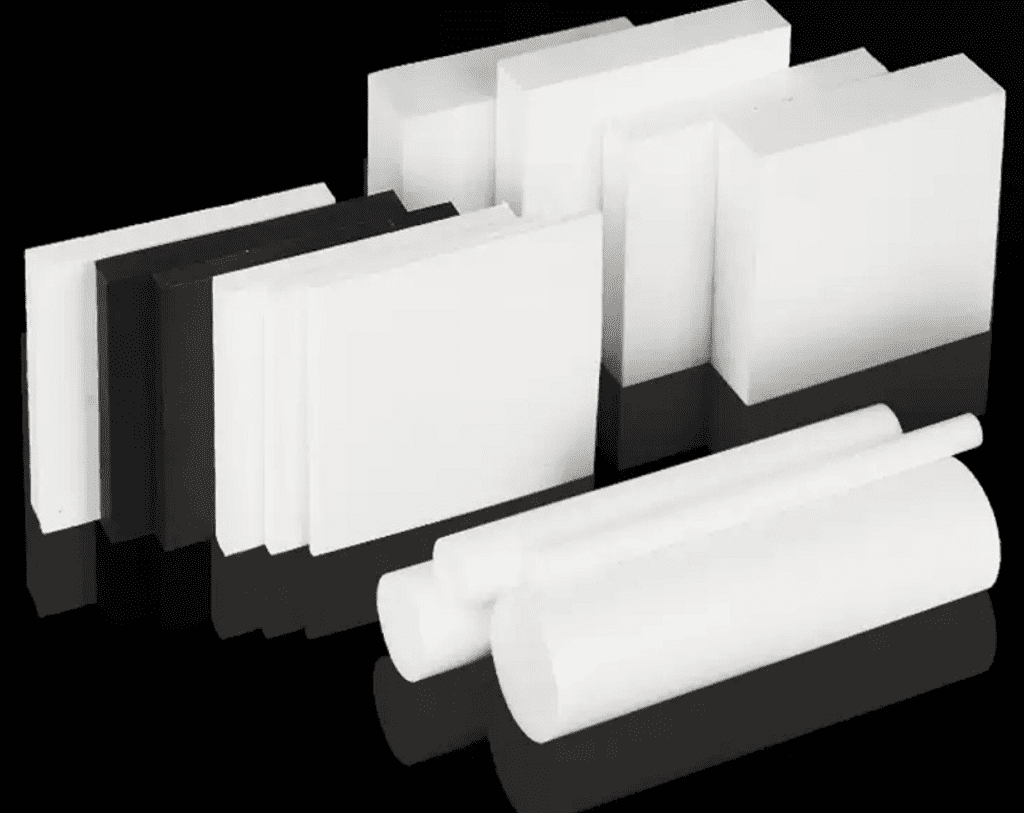
Every material has its trade-offs, and PTFE is no exception. When a client comes to me with a new project, we always discuss if PTFE is the right fit. It’s important to look at the whole picture.
The Powerful Advantages of PTFE
The benefits are significant, especially for demanding industries.
- Exceptional Chemical Resistance: As my insights suggest, this is its superpower. PTFE is almost completely inert and can handle strong acids, bases, and solvents that would destroy other materials. This is why it's so popular in chemical processing and medical devices.
- Very Low Friction: PTFE has one of the lowest friction coefficients of any solid. This makes it perfect for non-stick surfaces, bearings, and seals where you need parts to slide easily without lubrication.
- Wide Temperature Range: It performs reliably from very low temperatures (-200°C) up to about 260°C, making it versatile for many environments.
The Important Disadvantages of PTFE
However, you need to be aware of its limitations.
- Low Mechanical Strength: It’s soft and not very rigid. It is not a good choice for structural parts that need to bear a lot of weight or impact.
- Susceptible to "Creep": Under continuous pressure, even at room temperature, PTFE parts can slowly deform over time. This needs to be considered in the design, especially for seals.
- Higher Cost: It is a premium, high-performance plastic, so it costs more than materials like Nylon or Delrin.
What is mechanical PTFE?
Need a stronger version of PTFE? Standard PTFE might be too soft for your application, leading to part failure. Mechanical PTFE offers an enhanced solution with better physical properties.
Mechanical PTFE is a version of PTFE that has been blended with fillers like glass fiber, carbon, or bronze. These additives significantly improve its mechanical properties, such as wear resistance, strength, and resistance to "creep," while retaining most of PTFE's excellent chemical resistance and low friction.
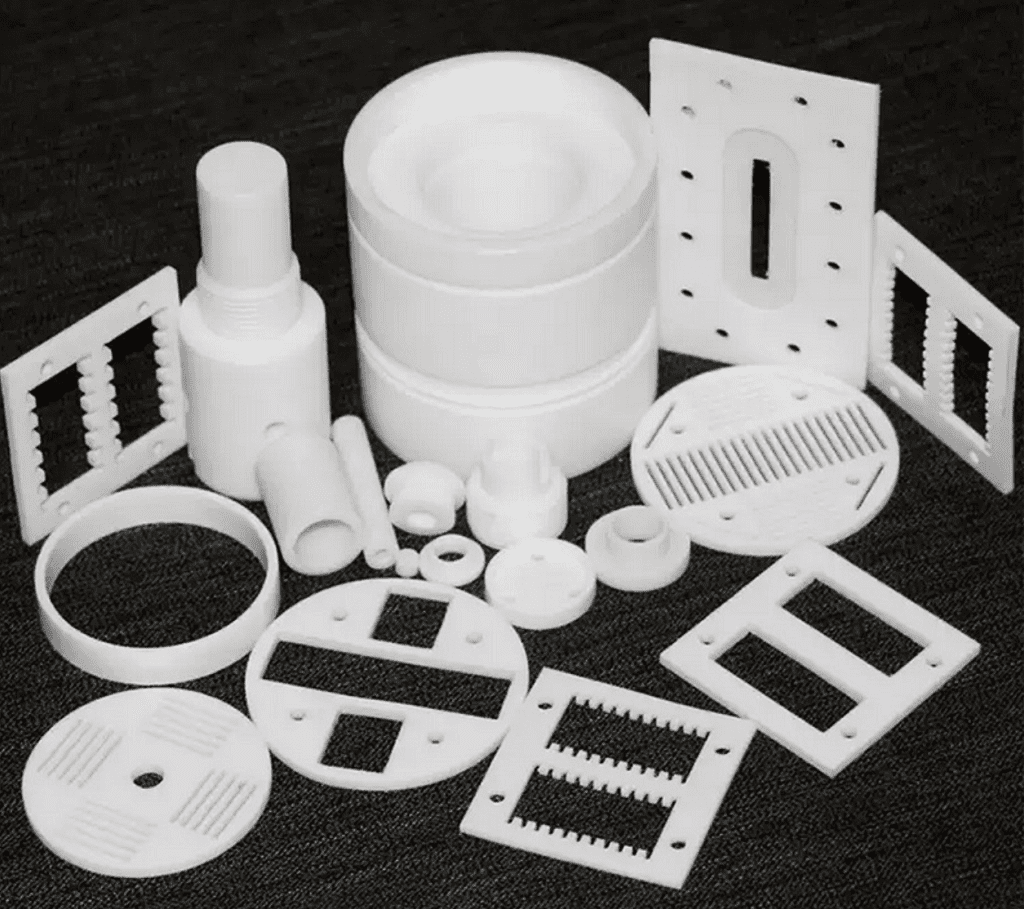
I remember a customer in the automotive industry who needed a seal that was chemically resistant but also needed to be very durable. Standard PTFE just wasn't strong enough. The solution was a filled, or mechanical, PTFE. By adding a filler material into the raw PTFE, we can create a composite that has the best of both worlds. The type of filler we use depends entirely on what the customer needs the part to do. Think of it like adding rebar to concrete; the core material is still there, but the additive gives it extra strength and new properties. This allows us to use PTFE in more demanding mechanical roles where the pure version would fail.
Common Types of Filled PTFE
| Filler Material | Key Improvement | Common Application |
|---|---|---|
| Glass Fiber | Greatly improves wear and creep resistance | Bearings, gaskets, and piston rings |
| Carbon | Increases compressive strength and hardness | Seals and rings in dynamic applications |
| Bronze | Improves thermal conductivity and wear resistance | Bushings and slide bearings |
| Graphite | Reduces initial wear and enhances sliding properties | Self-lubricating seals and bearings |
What is the most commonly used tool material for CNC machining?
Unsure what cutting tools are best for your parts? Using the wrong tool material can lead to poor quality, slow production, and high costs. The right choice is critical for success.
The most commonly used tool materials for CNC machining are High-Speed Steel (HSS) and Carbide. HSS is a tough, cost-effective choice for general-purpose work. Carbide is harder and more wear-resistant, making it ideal for high-speed machining of hard materials and mass production.
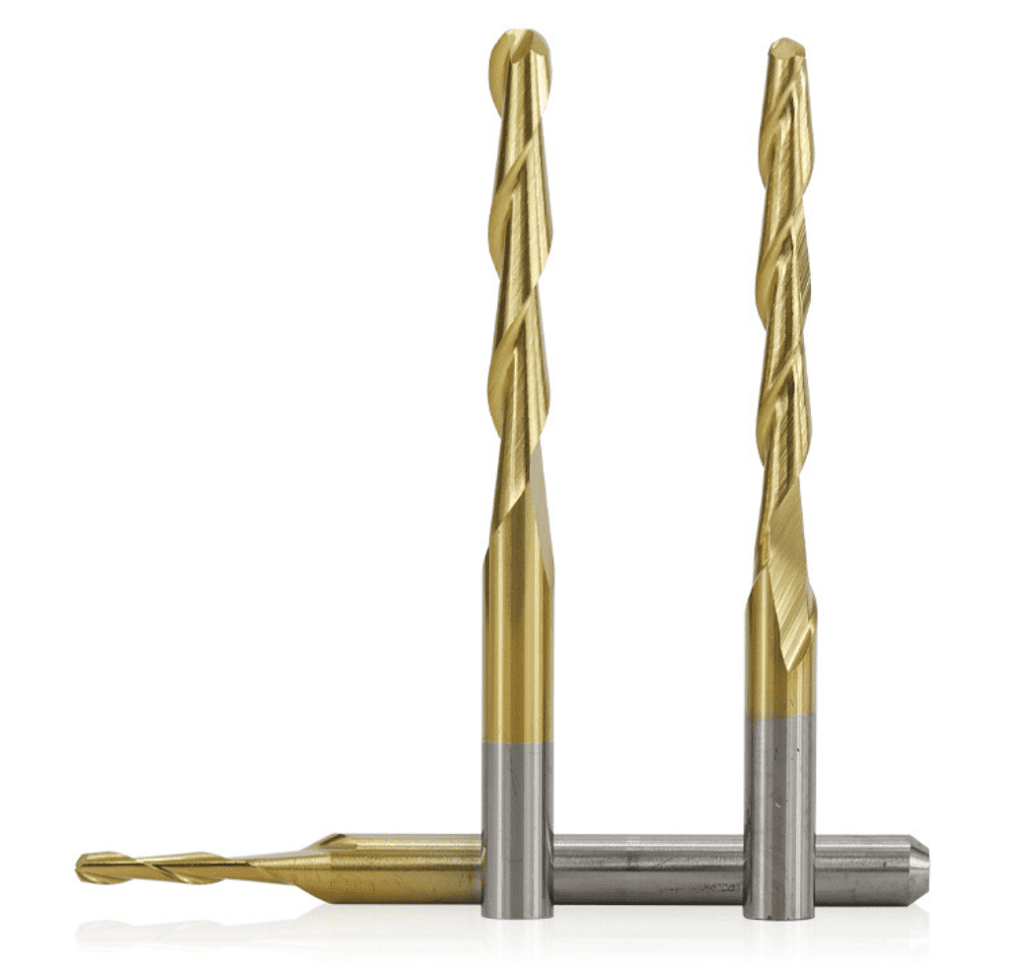
In our workshop, the choice of tool material is a daily decision that directly impacts quality and efficiency. For softer materials like aluminum or plastics, including PTFE, High-Speed Steel (HSS) often works great. It’s more affordable and less brittle than carbide, which means the tools are less likely to chip. However, for a majority of our work, especially with harder metals like stainless steel or for high-volume production runs, we rely on Carbide tools. They can withstand much higher temperatures and cutting speeds, which allows us to make parts faster without sacrificing precision. Using carbide means the tools last longer and maintain a sharp edge, which is essential for holding tight tolerances of +/- 0.001" and creating the smooth surface finishes our clients expect. Making the right choice between HSS and Carbide helps us optimize every job for quality, speed, and cost
.
Conclusion
PTFE is an essential material for chemical applications due to its resistance. With proper techniques, CNC machining can create precise PTFE parts, and adding fillers can enhance its mechanical properties.