
What is Metal Deformation in Cutting Process?
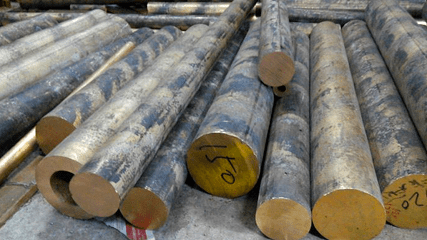
Hi, I'm Sandra Gao from Worthy Hardware. In the CNC machining industry, when people mention copper, they often think of its signature red color and conductivity, but for us, the specific grade is what truly matters. Different copper alloys, like C110 pure copper and C360 brass, machine in completely different ways, and this distinction directly impacts a part's final cost and our production efficiency. Choosing the correct grade is key to guaranteeing performance while helping clients like Mark find the most cost-effective solution without sacrificing quality.
I. What Are the Copper Grade, Characteristics & Application?
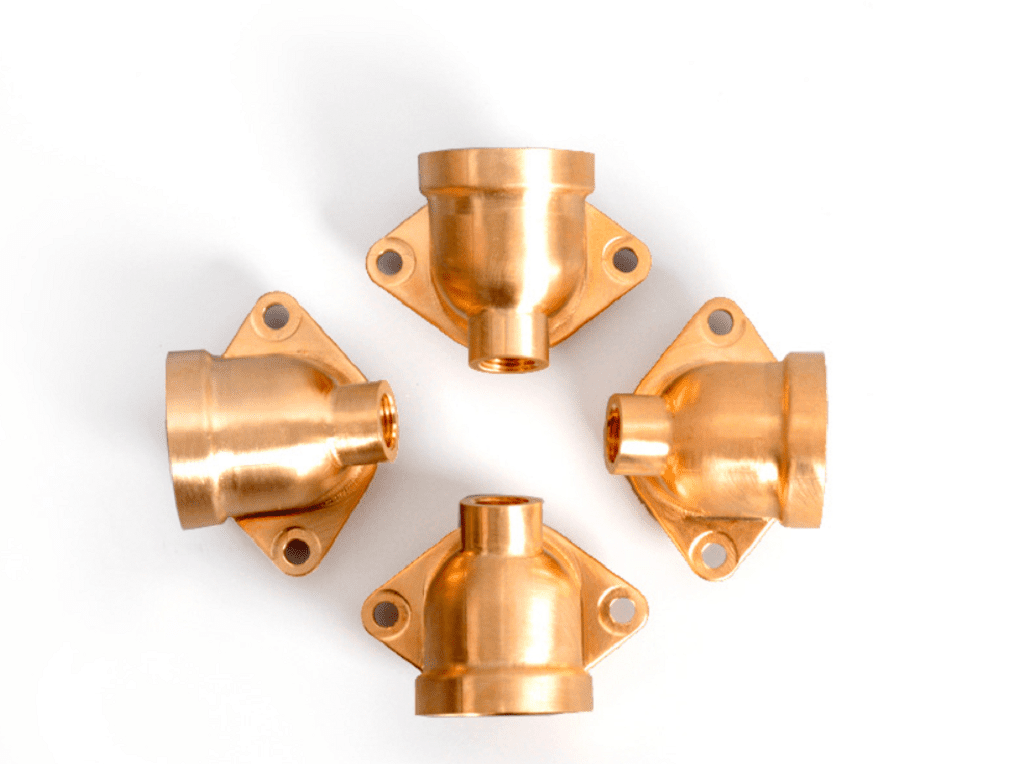
A table like this might look technical, but it represents the daily decisions we make in our CNC shop. When a client just asks for a "copper part," my mind doesn't simply think 'copper'; it runs through specific grades like T1, TU1, and TP2 because their performance and how they machine are vastly different. Using a premium grade like TU1 for a simple pipe is a waste of money, whereas correctly selecting a general-purpose material for the right job is exactly how we help clients like Mark significantly reduce costs without ever compromising on quality.
Table 3-4-2: Copper Grades, Designations, Key Properties, and Application Examples
| group | the name of a shop | code name | type of production | key property | Example |
fine copper | Copper 1 | T1 | Sheet, Strip, Foil | This material demonstrates excellent electrical and thermal conductivity, corrosion resistance, and machinability, with weldability and brazability. It contains minimal impurities that reduce conductivity and thermal conductivity. Although trace oxygen has negligible effects on these properties, it may induce hydrogen embrittlement. Therefore, it is not recommended for processing in high-temperature (e.g.,>370°C) reducing atmospheres (such as annealing or welding) or for use in such environments. | Used as conductive, heat-conductive, and corrosion-resistant materials. Examples include wires, cables, conductive screws, detonators, chemical evaporators, storage tanks, and various pipelines. |
No.2 Copper | T2 | Plate, strip,Sheet, tube, rod, wire | |||
Copper No.3 | T3 | Plate, strip,Sheet, tube, rod, wire | It has good electrical and thermal conductivity, corrosion resistance and machining properties, and can be welded and brazed; but it contains more impurities that reduce electrical and thermal conductivity, and higher oxygen content, which is more likely to cause "hydrogen disease", and can not be processed and used in high temperature reducing atmosphere | Used as general copper materials, such as electrical switches, washers, gaskets, rivets, pipe nipples, oil pipes and other pipes | |
oxygen-free copper | No.1 oxygen-free copper | TU1 | plates, strips, tubes, wires, rods | High purity, excellent electrical and thermal conductivity, no or very little "hydrogen disease"; good processing properties, welding, corrosion resistance and cold resistance | Mainly used as electrical vacuum instrument device |
| No.2 anaerobic copper | TU2 | ||||
phosphorized copper | One-deoxy copper | TP1 | Plates, strips, and tubes | It exhibits excellent weldability and cold bending properties, typically without hydrogen embrittlement tendency. While suitable for processing and use in reducing atmospheres, it is not recommended for oxidative environments. TP1 contains less residual phosphorus than TP2, resulting in superior electrical and thermal conductivity. | Primarily used for piping applications, available in sheet, strip, rod, or wire form. Suitable for gasoline/gas pipelines, drainage systems, condensate pipes, mine drainage pipes, condensers, evaporators, heat exchangers, and railway car components. |
No.2 deoxidized copper | TP2 | plates, strips, tubes, rods, wires | |||
silver-bearing copper | 0.1 Silver and copper | TAg0 . 1 | Plates and Pipes | Adding a small amount of silver to copper significantly enhances its softening temperature (recrystallization temperature) and creep strength, while minimally reducing electrical and thermal conductivity as well as ductility. In practical silver-copper alloys, aging hardening effects are negligible, and cold working is typically employed to improve strength. These alloys exhibit excellent wear resistance, electrical conductivity, and corrosion resistance. For example, when manufactured into tram wires, they demonstrate a service life 2 to 4 times longer than conventional hard copper. | Used as heat-resistant and conductive materials. Examples include motor rectifier segments, generator rotor conductors, spot welding electrodes, communication cables, leads, wires, and vacuum tube materials. |
II. What Are the Brass Grade, Characteristics & Application?
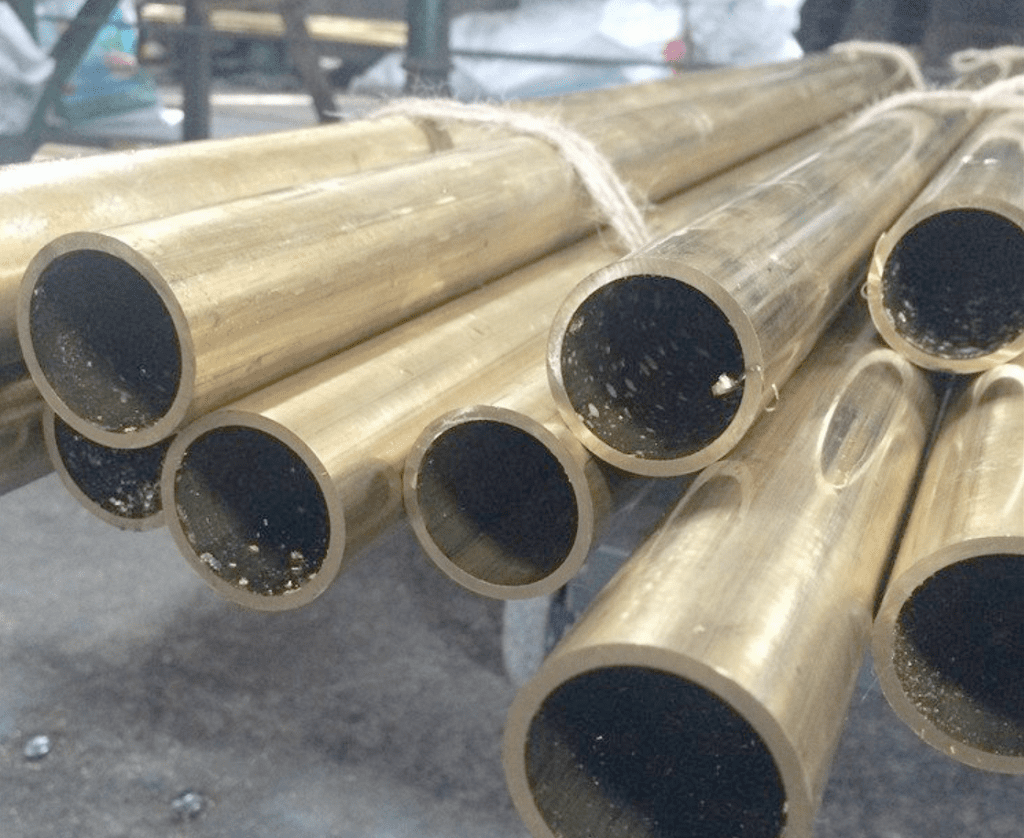
When it comes to material selection, the term 'brass' is just the beginning of the story. For engineers, designers, and procurement managers, understanding the vast world of brass alloys is crucial. The right choice can dramatically enhance performance and reduce costs, while the wrong one can lead to project failure. This guide breaks down the different brass grades, their unique characteristics, and their applications, empowering you to select the perfect material for your next CNC machining project with confidence.
Table 3-4-3 Brass processing grades, codes, and main characteristics and application examples
| group | the name of a shop | code name | Key Features | Example |
96 Brass | H96 | The strength is higher than that of pure copper (but the lowest in ordinary brass), good thermal and electrical conductivity, high corrosion resistance in atmosphere and fresh water, and good plasticity, easy to cold and hot pressure processing, easy to weld, forge and tin plating, no tendency to stress corrosion cracking | It is used as a conduit, condenser tube, radiator tube, heat sink, car radiator belt and conductive parts in general mechanical manufacturing | |
| 90 Brass | H90 | Similar to H96 in performance, but slightly stronger, with the ability to be plated with metals and enamel. | Water supply and drainage pipes, medals, artworks, water tank belts, and bimetallic strips | |
| 85 Brass | H85 | It has high strength, good plasticity, can well withstand cold and hot pressure processing, welding and corrosion resistance | Condensation and heat dissipation pipes, siphon pipes, serpentine pipes, and cooling equipment components | |
| 80 Brass | H80 | It has similar performance to H85, but higher strength and better plasticity, and higher corrosion resistance in atmospheric, fresh and seawater. | Paper network, thin wall pipe, corrugated pipe and building supplies | |
| Common brass | 70 Brass | H70 | It exhibits exceptional plasticity (the best among brasses) and high strength, with excellent machinability and weldability. While highly resistant to general corrosion, it is prone to corrosion cracking. H68 is the most widely used type of common brass.H68A contains trace amounts of arsenic (As), which prevents zinc loss in brass and enhances its corrosion resistance. | Complex cold and deep-drawn parts, such as radiator shells, conduits, bellows, cartridge cases, gaskets, and detonators |
68 Brass | H68 | |||
| 68A Brass | H68A | |||
65 Brass | H65 | With a performance level between H68 and H62, this material is more cost-effective than H68 while maintaining high strength and ductility. It can withstand cold and hot pressure processing well, though it has a tendency to corrode and crack. | Small hardware, daily necessities, small springs, screws, rivets, and machine parts | |
| 63 Brass | H63 | It has good mechanical properties, good plasticity in hot state, good plasticity in cold state, good machinability, easy brazing and welding, corrosion resistance, but easy to produce corrosion cracking, in addition to the low price, is a widely used ordinary brass variety | Force-bearing parts made of various deep extensions and bends, such as pins, rivets, washers, nuts, guide tubes, pressure gauge springs, screens, radiator parts, etc. | |
62 Brass | H62 | |||
59 Brass | H59 | The cheapest price, high strength and hardness but poor plasticity, but can still withstand pressure processing in hot state, corrosion resistance is general, other properties are similar to H62 | General machine parts, welded parts, hot rolled and hot stamped parts | |
leadbrass | 631-3 lead brass | Hpb631-3 | High-lead lead brass cannot be machined in a hot state, but it exhibits excellent machinability and high friction reduction properties. Its other characteristics are similar to those of Hpb59-1. | Mainly used for watch structure parts and tractor parts with high machinability |
| 631.0 lead brass | Hpb631-0.1 | Its machinability is inferior to Hpb63-3, while other properties are identical to Hpb63-3. | Used for general machine structure parts | |
| 62 ~ 0.8 Lead brass | Hpb21-0.8 | |||
| 611 | Hpb611 | It possesses excellent machinability and high strength, with other properties matching those of Hpb59-1. | Used for high strength and high machinability structural parts | |
591 Lead brass | Hpb591 | The widely used lead brass has the characteristics of good machinability, good mechanical properties, can withstand cold and hot pressure processing, easy brazing and welding, good stability to general corrosion, but has the tendency of corrosion and rupture | Suitable for various structural parts made by hot stamping and cutting, such as screws, washers, gaskets, bushings, nuts, nozzles, etc | |
90-1 tin brass | Hsn901-1 | Its mechanical and processing properties are very similar to H90 ordinary brass, but it has high corrosion resistance and friction reduction. At present, only this tin brass can be used as a wear-resistant alloy. | Automobile tractor elastic bushing and other corrosion resistance and friction reduction parts | |
| tin brass | 701 St. Anne's brass | Hsn701-1 | Typical tin brass has high corrosion resistance in atmosphere, steam, oil and seawater, and has good mechanical properties, good machinability, easy welding and brazing, good pressure processing in cold and hot state, and tendency to corrosion and rupture | Corrosion-resistant parts on ships (e.g. condenser tubes), piping in contact with seawater, steam, and oils, and thermal equipment components |
621:1 tin brass | Hsn62-1 | It has high corrosion resistance in seawater, good mechanical properties, cold brittleness in cold working, only suitable for hot pressing, good machinability, easy welding and brazing, but has the tendency of corrosion and rupture | Used as parts of ships or other parts in contact with seawater or gasoline | |
| 60 to 1 tin brass | Hsn601-1 | The performance is similar to that of Hsn62-1, and the main product is wire | Welding rod for ship welding structure | |
771-2 aluminum brass | HA1771-2 | Aluminum brass has high strength and hardness, good plasticity, can be processed under hot and cold conditions, good corrosion resistance to seawater and salt water, and impact corrosion resistance, but has the tendency of zinc removal and corrosion rupture | Used as condenser tube and other corrosion resistant parts in ships and coastal thermal power stations | |
6712.5 Aluminium brass | HA1671-2.5 | It can withstand pressure processing well in cold and hot state, has good wear resistance, good corrosion resistance to seawater, and is sensitive to corrosion and rupture. It has poor brazing and tin plating properties. | Corrosion-resistant parts for marine ships | |
| Aluminum brass | 601-1 aluminum brass | HA1601-1 | It has high strength and good corrosion resistance in atmospheric, fresh water and seawater, but it is sensitive to corrosion and rupture. It has good pressure processing in hot state and low plasticity in cold state. | Corrosion-resistant structural parts, such as gears, worms, bushings, and shafts |
59132 aluminum brass | HA159132 | It has high strength and corrosion resistance, the best of all brass, little tendency to corrosion and rupture, low plasticity in cold state and good pressure processing in hot state | Engine and shipbuilding industry and other high strength corrosion resistant parts that work at room temperature | |
66-6-3-2 Aluminum brass | HA166-6-3-2 | As a wear-resistant alloy, it exhibits high strength, hardness, and wear resistance, along with good corrosion resistance. However, it tends to corrode and fracture, and has poor plasticity. It is a cast brass variant. | Nuts for fixed screws and large worms under heavy loads; suitable as a substitute for aluminum bronze QA110-4-4. | |
manganesebrass | 58-2 Manganese brass | HMn58 - 2 | It has high corrosion resistance in seawater, overheated steam and chloride, but has the tendency of corrosion and rupture; it has good mechanical properties, low thermal and electrical conductivity, easy to be processed under pressure in hot state, and good pressure processing in cold state. It is a widely used type of brass. | Important parts for working under corrosion conditions and parts for industrial use with weak current |
57-3-1 Manganese brass | HMn57-3-1 | High strength and hardness, low plasticity, can only be processed under pressure in hot state; corrosion resistance in atmosphere, seawater and overheated steam is better than ordinary brass, but there is a tendency to corrosion and rupture | Corrosion-resistant structural parts | |
55-3-1 Manganese brass | HMn55-3-1 | Performance comparable to HMn57-3-1, a cast brass variant | Corrosion-resistant structural parts | |
| IRON BRASS | 59-1-1 Iron brass | HFe59-1-1 | It has high strength, toughness, good friction reduction performance, high corrosion resistance in atmosphere and seawater, but has a tendency to corrosion and rupture, and good plasticity in hot state | Fabricated structural components designed for operation under friction and seawater corrosion conditions |
58-1-1 Iron brass | HFe58-1-1 | High strength and hardness, good machinability, but plasticity decreases, can only be hot pressure processing, corrosion resistance is good, has the tendency of corrosion and rupture | High strength and corrosion resistant parts suitable for hot pressing and cutting | |
| Silicon brass | 80-3 Silicon brass | Hsi80 - 3 | It has good mechanical properties, high corrosion resistance, no tendency to corrosion and rupture, and good wear resistance. It has good pressure processing in cold and hot state, easy to weld and brazing, good machinability, and the lowest thermal and electrical conductivity among brass. | Ship parts, steam and water pipe fittings |
| nickel brass | 65-5 Nickel brass | HNi65 - 5 | It has high corrosion resistance and low friction, good mechanical properties, and excellent pressure processing properties in both cold and hot states. It is relatively stable against zinc stripping and 'quadruple cracking'. It has low thermal and electrical conductivity, but because of the high price of nickel, HNi65-5 is generally not used much. | Pressure gauge tubes, papermaking nets, and ship condenser tubes can serve as substitutes for tin-phosphorus bronze and German silver. |
III. What Are the Bronze Grade, Characteristics & Application?
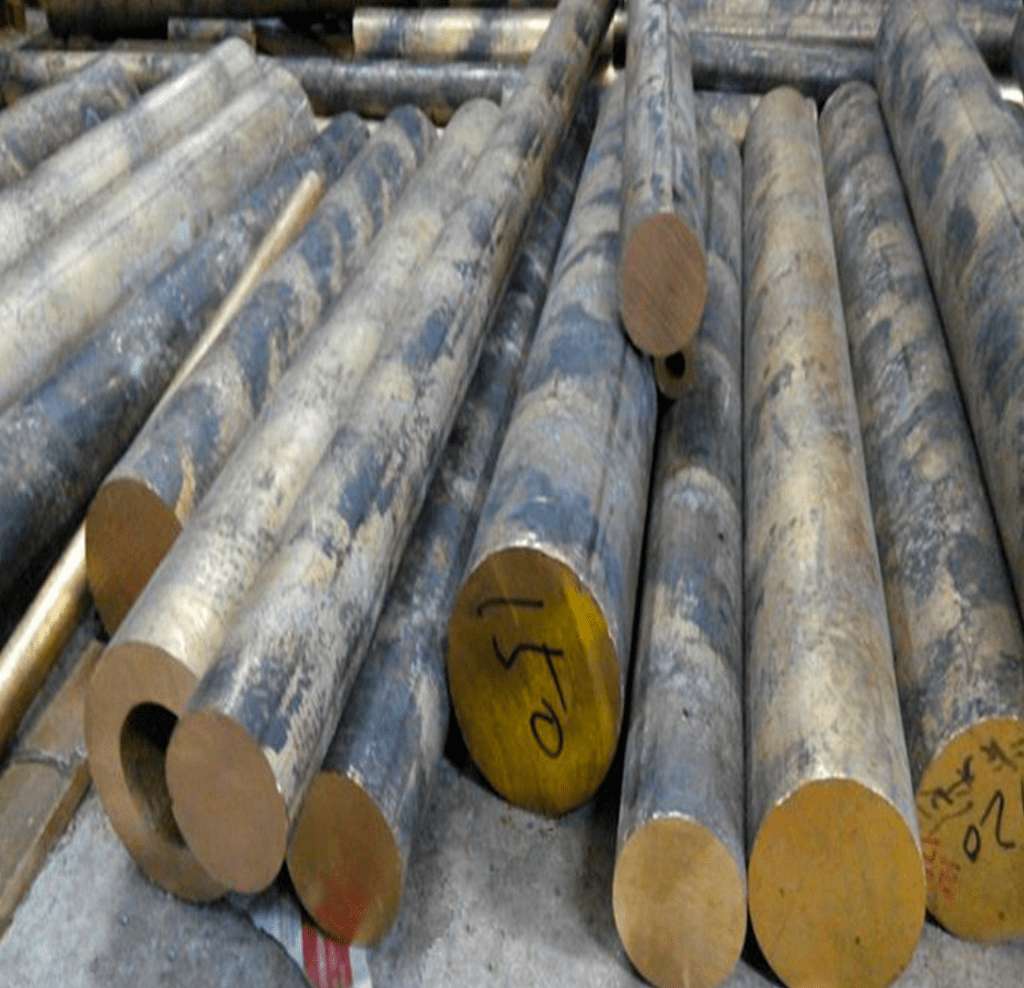
Table 3-4-4: Bronze Grades, Designations, Key Properties, and Application Examples (GB/T5233-1985)
| group | the name of a shop | code name | key property | Example |
4-3 Tin bronze | Qsn4 - 3 | Zinc-tin bronze has high wear resistance and elasticity, good anti-magnetic properties, and can withstand hot or cold pressure processing. In the hard state, it has good cutting properties, easy welding and brazing, and good corrosion resistance in atmosphere, fresh water and seawater. | Manufacture springs (flat springs, round springs) and other elastic components, corrosion-resistant parts for chemical equipment, wear-resistant parts (such as bushings, discs, bearings, etc.), and anti-magnetic parts, as well as scrapers for the paper industry. | |
| 4.4-2.5 Tin bronze | Qsn4 - 4 - 2.5 | Tin bronze alloyed with zinc and lead has high friction reduction and good machinability, easy to weld and brazing, good corrosion resistance in atmosphere and fresh water, can only be pressure processed in cold state, because of lead, easy to cause thermal brittleness in hot processing | Manufactured for bearings, rolled edge sleeves, bushings, discs, and inner pads under friction conditions. Qsn4-4-4 is a tin bronze with excellent thermal strength, capable of operating at temperatures up to 300°C. | |
4-4-4 Tin bronze | Qsn4 - 4 - 4 | |||
| tin bronze | 6.5-0.1 Tin bronze | Qsn6 .5-0. 1 | Phosphorus bronze has high strength, elasticity, wear resistance and anti-magnetic properties. It has good pressure processing properties in hot and cold states, high resistance to electric spark, can be welded and brazed, and good cutting properties. It is corrosion resistant in atmosphere and fresh water. | Manufacturing springs and spring contact sheets with excellent conductivity, as well as wear-resistant and anti-magnetic components for precision instruments, including gears, brush holders, vibration plates, and contactors. |
6.5-0.4 Tin bronze | Qsn6 .5 - 0.4 | Phosphor bronze exhibits properties similar to Qsn6.5-0.1, with higher phosphorus content resulting in superior fatigue strength, elasticity, and wear resistance. However, it is susceptible to hot brittleness during hot working and is only suitable for cold pressure forming. | In addition to being used as springs and wear-resistant parts, it is mainly used in the paper industry to make wear-resistant copper mesh and parts working under conditions of unit load <981Mpa and circumferential speed <3m/s. | |
7-0.2 Tin bronze | Qsn7 - 0.2 | Phosphorus bronze has high strength, good elasticity and wear resistance, easy to weld and brazing, good corrosion resistance in atmosphere, fresh water and seawater, good cutting performance, suitable for hot pressing processing | It is used to make parts that bear friction under medium load and medium sliding speed, such as anti-wear gasket, bearing, sleeve, worm wheel, etc., and can also be used as spring and spring blade. | |
4-0.3 Tin bronze | Qsn4 - 0.3 | Phosphorus bronze has high mechanical properties, corrosion resistance and elasticity, and can be well subjected to pressure processing in cold state, but also can be subjected to pressure processing in hot state | Manufacture various sizes of pipes for pressure gauge springs | |
| Aluminum bronze | 5 aluminum bronze | QA15 | Aluminum bronze without other elements has high strength, elasticity and wear resistance. It has high corrosion resistance in atmosphere, fresh water, seawater and some acids. It can be welded by electric welding and gas welding, but not easy to brazing. It can withstand pressure processing in cold or hot state well, but can not be hardened by quenching and tempering. | Spring and other corrosion-resistant elastic components, gear friction wheels, and worm drive mechanisms can be manufactured as substitutes for Qsn6.5-0.4, Qsn4-3, and Qsn4-4-4. |
| 7 aluminum bronze | QA17 | The performance is similar to QA15, but with higher strength due to slightly higher aluminum content | ||
9-2 aluminum bronze | QA19 - 2 | Manganese-containing aluminum bronze has high strength, good corrosion resistance in atmosphere, fresh water and seawater, can be welded by electric and gas welding, and is not easy to brazing. It has good pressure processing in hot and cold state. | High strength corrosion-resistant parts, pipe fittings for steam media below 250℃, and marine vessel components | |
9 — 4 aluminum bronze | QA19 — 4 | Iron-containing aluminum bronze. It has high strength and low friction, good corrosion resistance, good hot working properties, can be welded by electric and gas welding, but poor brazing properties, can be used as a substitute for high tin wear-resistant bronze. | It is used to make wear-resistant and corrosion-resistant parts such as bearings, bushings, gears, worms, valve seats and so on, which work under high load. It is also used to make bimetallic wear-resistant parts. | |
10-3-1.5 Aluminum bronze | QA110-3-1 .5 | Aluminum bronze containing iron and manganese has high strength and wear resistance. After quenching and tempering, the hardness can be improved. It has good high temperature corrosion resistance and oxidation resistance. It has good corrosion resistance in atmosphere, fresh water and seawater. It has good machinability, can be welded, but is not easy to brazing. It has good hot pressure processing. | Manufactures wear-resistant components and standard parts for high-temperature environments, including gears, bearings, bushings, discs, guide arms, flywheels, and fixed nuts. These parts can replace high-tin bronze in critical mechanical applications. | |
10-4-4 aluminum bronze | QA110-4-4 | Aluminum bronze containing iron and nickel is a high strength and heat resistant bronze. It has stable mechanical properties at high temperature (400℃) and good friction reduction. It has good corrosion resistance in atmosphere, fresh water and seawater. It has good pressure processing under hot state, can be heat treated for strengthening, can be welded, but is not easy to brazing. It has good cutting properties. | High-strength wear-resistant components and high-temperature (400°C) operating parts, including bushings, gearboxes, gears, spherical seats, nuts, flanges, sliding seats, and other critical corrosion and wear-resistant components. | |
| 11-6-6 Aluminum bronze | QA111-6-6 | Component, Performance and QA110-4-4 Similar | High-temperature wear-resistant components and corrosion-resistant wear-resistant components for operation at 500℃ | |
2 bronze | QBe2 | Beryllium bronze, containing trace amounts of nickel, is an alloy with excellent mechanical, physical, and chemical properties. After quenching and tempering, it exhibits high strength, hardness, elasticity, wear resistance, fatigue limit, and heat resistance. It also demonstrates superior electrical and thermal conductivity, cold resistance, non-magnetic characteristics, and spark-free impact resistance. The alloy is easy to weld and brazed, and shows exceptional corrosion resistance in atmospheric, freshwater, and seawater environments. | Manufacture springs and elastic elements for precision instruments, wear-resistant components, bearings and bushings for high-speed, high-pressure and high-temperature applications, impact-proof tools for mining and oil refineries, and deep-drawn parts. | |
| beryllium bronze | 1.7 Zirconium bronze | QBe1 .7 | It is a beryllium bronze containing a small amount of nickel and titanium, which has similar properties to QBe2, but its advantages are: small elastic hysteresis, high fatigue strength, elastic stability under temperature change, low sensitivity of performance to aging temperature change, and low price. However, its strength and hardness are very little lower than QBe2. | Manufacture springs for critical applications, elastic components for precision instruments, sensitive elements, and elastic components designed to withstand high-directional loads, which can replace QBe2 grade beryllium bronze. |
1. 9.9 | QBe1 .9 | |||
1.9-0.1 Zirconium bronze | QBe1 .9 — 0. 1 | The ceramite copper alloy contains trace amounts of Mg. While sharing similar properties with QBe1.9, the addition of Mg enables grain refinement and enhances the dispersion and uniformity of the strengthened Y2 phase, significantly improving the alloy's mechanical properties and boosting both the elastic limit and stability of its mechanical performance after aging. | Same as QBe1.9 | |
siliconbronze | 3 — 1 Silicon bronze | Qsi3 — 1 | Manganese-added silicon bronze exhibits exceptional strength, elasticity, and wear resistance, with excellent plasticity that remains non-brittle even at low temperatures. It demonstrates superior weldability with bronze, steel, and other alloys, particularly excelling in brazing. The material shows high corrosion resistance in atmospheric, freshwater, and seawater environments, while maintaining remarkable stability against caustic soda and chloride solutions. Capable of withstanding cold and hot pressure processing, it cannot be strengthened through heat treatment. Typically used in annealed and work-hardened states, this material achieves high yield limits and elastic modulus. | It is used to make various parts, springs and spring parts working in corrosive medium, as well as worm wheel, worm gear, gear, bushing, brake pin and rod type wear-resistant parts. It is also used to make parts in welded structures, which can replace important tin bronze and even beryllium bronze. |
1-3 Silicon Bronze | Qsi1 — 3 | Silicon bronze containing manganese and nickel has high strength and good wear resistance. It can be strengthened by heat treatment. After quenching and tempering, its strength and hardness are greatly improved. It has high corrosion resistance in atmosphere, fresh water and seawater, and good welding and cutting properties. | For manufacturing friction parts (such as engine exhaust and intake valve guides) and structural parts operating in corrosive environments under conditions of low unit pressure and poor lubrication below 300℃. | |
3.5-3-1.5 Silicon bronze | Qsi3.5-3 — 1.5 | The silicon bronze alloy, containing zinc, manganese, iron and other elements, has the same properties as Qsi3-1 but better heat resistance, and has less tendency to crack spontaneously when stored as bars or wires. | Mainly used as a sleeve material for high temperature work | |
manganesebronze | 1.5 Manganese bronze | QMn1 .5 | QMn2 has lower manganese content than QMn5, resulting in lower strength and hardness but higher plasticity. Its other properties are similar, with mechanical properties slightly superior to QMn1.5. | Used as electronic instrument parts, can also be used as steam boiler pipe accessories and joints |
| 2 Manganese bronze | QMn2 | |||
5 Manganese bronze | QMn5 | Manganese bronze with high manganese content has high strength, hardness and good plasticity. It can withstand pressure processing in hot and cold state, has good corrosion resistance and high thermal strength. It can maintain its mechanical properties at 400℃. | Used for manufacturing high-temperature corrosion-resistant components such as steam engine parts, boiler fittings, and steam valves. | |
| zirconium copper | 0.2 mm bronzes | Qzr0 .2 | It has high electrical conductivity, can be cold and hot pressure processed, and has high hardness, strength and heat resistance after aging | Electrical resistance welding materials and high-conductivity, high-strength electrode materials. Examples include motor rectifier segments, switching components, wires, and spot welding electrodes with operating temperatures below 350°C. |
| 0.4 Zinc bronze | Qzr0 .4 | It has higher strength and heat resistance than Qzr0.2, but slightly lower conductivity than Qzr0.2. | ||
| Chrome Blue | 0.5 Chromium bronze | Qcr0 .5 | At room temperature and elevated temperatures (below 400°C), this material demonstrates exceptional strength, hardness, and excellent electrical and thermal conductivity. It also exhibits outstanding wear resistance and friction reduction properties. Following aging hardening treatment, its mechanical properties—including strength, hardness, and thermal conductivity—show significant improvement. The material is easy to weld and brazed, with excellent corrosion resistance in both atmospheric and freshwater environments. It maintains good high-temperature oxidation resistance and can withstand pressure processing effectively in both cold and hot states. However, it has notable limitations: its high sensitivity to notches creates stress concentration at sharp edges and notches, which may lead to mechanical damage. Therefore, it is not recommended for use as commutator segments. | It is used to make electrodes, motor rectifier plates and other parts for welding machines with working temperature below 350℃, and other parts that require high strength, hardness, electrical and thermal conductivity when working at high temperature. It can also be used in bimetallic form for brake disc and disc. |
| 0.5 to 0.2 — 0.1 chromium bronze | Qcr0.5-0.2-0.1 | Chromium bronze with small amounts of magnesium and aluminum not only further improves heat and corrosion resistance, but also improves notch sensitivity compared with Qcr0.5, and other properties are similar to Qcr0.5. | Used to make electrodes for spot welding and roll welding machines | |
| 0.6-0.4-0.05 chromium bronze | Qcr0.6-0.4-0.05 | Chromium bronze with a small amount of zirconium and magnesium can further improve the strength, hardness and heat resistance of the alloy compared with Qcr0.5, and also has good electrical conductivity. | Same as Qcr0.5 | |
| cadmium bronze | 1 Stamped bronze | Qcd1 | With high electrical and thermal conductivity, excellent wear resistance and friction reduction, good corrosion resistance, and good pressure processing properties, cadmium bronze has no significant aging hardening effect, and cold working hardening is generally used to improve strength. | Used as motor rectifier segments, tram contact wires, telephone flexible cables, welding machine electrodes, and in jet propulsion technology at 250°C operating temperatures. |
| magnesium bronze | 0.8 Magnesium bronze | QMg0 .8 | This copper alloy contains 0.7% to 0.85% magnesium (w/mg). The trace magnesium minimally reduces copper's conductivity while providing deoxidation benefits and enhancing high-temperature oxidation resistance. In practical applications, copper-magnesium alloys typically contain less than 1% magnesium by weight, as higher concentrations severely impair pressure processing performance. These alloys can only be strengthened through work hardening and cannot be enhanced through heat treatment. | Mainly used as cable core and other wire materials |
IV. What Are the Copper-Nickel Grade, Characteristics & Application?
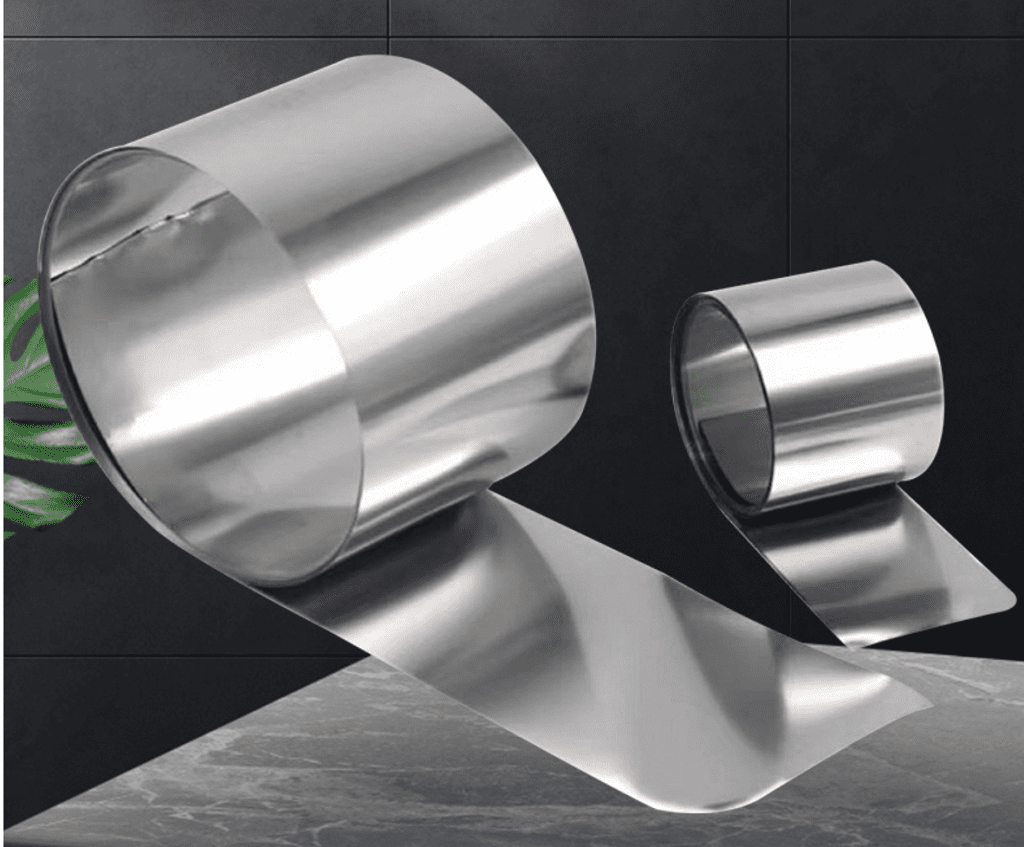
When applications demand ultimate resistance to harsh environments, especially saltwater corrosion, few materials outperform copper-nickel (cupronickel) alloys.The difference between B19 and BFe30-1-1 can be the difference between success and failure. This essential guide demystifies the various copper-nickel grades, their unique properties, and their specific applications, empowering you to make the optimal material choice for your high-performance CNC parts.
Table 3-4-5: copper-nickel grades, codes, and their key characteristics with application examples
| group | the name of a shop | code name | key property | Example |
Common copper -nickel | 0.6 copper-nickel | B0 .6 | The electrical copper-nickel alloy has a low thermoelectric potential, with a maximum operating temperature of 100°C. | Compensating wire for manufacturing special thermocouples (platinum-platinum-rhodium thermocouples) |
5 copper-nickel | B5 | It is a structural white copper, its strength and corrosion resistance are higher than copper, no tendency to corrosion and rupture | Used as corrosion resistant parts for ships | |
19. copper-nickel | B19 | It is a structural copper-nickel alloy with high corrosion resistance and good mechanical properties. It has good pressure processing properties in hot and cold states and can maintain high strength and plasticity in high and low temperatures. It has poor machinability. | Used as precision instrument parts, metal mesh, and corrosion-resistant chemical machinery parts for steam, freshwater, and seawater applications, as well as in medical devices and coins. | |
25 copper-nickel | B25 | This structural copper-nickel alloy exhibits superior mechanical properties and corrosion resistance, with excellent hot and cold working characteristics. Its higher nickel content results in superior mechanical performance and corrosion resistance compared to B5 and B19. | Used as corrosion-resistant parts in steam and seawater, as well as metal tubes and condensers under high temperature and high pressure | |
Manganese copper- nickel | 3-12 manganese copper-nickel | BMn3 - 12 | For electrical copper-nickel alloy, commonly known as manganese copper, it has the characteristics of high resistivity and low resistance temperature coefficient, high long-term stability of resistance, and small thermoelectric potential to copper | It is widely used in the manufacture of resistance instruments and precision electrical measuring instruments with working temperature below 100℃ |
40-1.5 manganese copper-nickel | BMn40 - 1 .5 | Electrical copper-nickel alloy, commonly known as Kang copper, has high electrical resistivity and high thermoelectric potential that hardly change with temperature, good heat resistance and corrosion resistance, and high mechanical properties and deformation capacity | To produce high-quality materials for thermocouples (below 900°C), resistors for heaters (resistance wires in electric furnaces) and variable resistors operating below 500°C | |
43-0.5 manganese copper-nickel | BMn43 - 0 .5 | The electrical copper-nickel alloy, commonly known as Kao copper, is distinguished by its maximum thermoelectric potential, high resistivity, and low temperature coefficient of resistance. It also exhibits superior heat resistance and corrosion resistance compared to BM40-1.5, while maintaining excellent mechanical properties and deformation capacity. | In high-temperature measurement, copper is widely used as compensation wire and thermocouple negative electrode, and electric heating instruments with operating temperature not exceeding 600℃. | |
Iron Brass | 30-1-1 Iron, copper-nickel | BFe30 - 1 - 1 | It is a structural copper-nickel alloy with good mechanical properties and high corrosion resistance in seawater, fresh water and steam, but poor machinability | Tube for condenser and thermostat used in high temperature, high pressure and high speed working conditions in Marine shipbuilding industry |
10-1-1 Iron, copper-nickel | BFe10 - 1 - 1 | Compared with BFe30-1-1, structural white copper with less nickel has lower strength and hardness, but higher plasticity and similar corrosion resistance. | Primarily used in the shipbuilding industry to replace BFe30-1-1 in the production of condensers and other corrosion-resistant components. | |
Zinc copper-nickel | 15-20 zinc copper-nickel | Bzn15 — 10 | As a structural copper-nickel alloy, it is commonly known as German silver (originally China silver) due to its beautiful silver-white appearance. This alloy has high strength and corrosion resistance, good plasticity, and can withstand pressure processing well in both hot and cold states. However, its machinability is poor, and its weldability is inferior. Its elasticity is better than Qsn6.5 — 0.1. | Used as instrument parts and medical devices in wet conditions and strong corrosive media, as well as industrial vessels, artworks, telecommunications industry parts, steam and waterway accessories, daily necessities, and spring tubes and blades. |
15-24-1.8 Lead, zinc, and copper-nickel | Bzn15 — 24 — 1.8 | The lead-added zinc-white structural alloy exhibits properties similar to Bzn15-20, yet demonstrates superior workability and is suitable only for cold-pressed processing. | For making fine parts for the watch industry | |
15 — 24 — 1.5 Lead, zinc, and copper-nickel | Bzn15 — 24 — 1.5 | |||
Aluminum copper-nickel | 13-3 aluminun copper-nickel | BA113 — 3 | As a structural copper-nickel alloy, it can be heat-treated. Its characteristics include high strength (the highest among white copper alloys) and corrosion resistance, along with high elasticity and cold resistance. Notably, its mechanical properties not only remain stable but even improve at low temperatures (90K), a unique characteristic absent in other copper alloys. | Used to make high strength corrosion resistant parts |
6-1.5 aluminum copper-nickel | BA16 — 1.5 | It is a structural copper-nickel alloy which can be strengthened by heat treatment and has high strength and good elasticity | Create a flat spring for important uses |
V. What Are the Mechanical Properties of Copper and Copper Alloys?
Table 3-4-6 Mechanical properties of copper and copper alloys
code name | mechanical property | |||||||||||||||||||
| tensile strength σb/Mpa | yield point σs/Mpa | elongation δ(%) | Cross-section closureshrinkage ψ(%) | Brinell hardness HBs | ||||||||||||||||
| Soft | Hard | Soft | Hard | Soft | Hard | Soft | Soft | Hard | ||||||||||||
| H96 | 235 | 441 | 382 | 50 | 2 | |||||||||||||||
| H90 | 255 | 471 | 118 | 392 | 45 | 4 | 80 | 53 | 130 | |||||||||||
| H85 | 275 | 539 | 98 | 441 | 45 | 4 | 85 | 54 | 126 | |||||||||||
| H80 | 314 | 628 | 118 | 510 | 52 | 5 | 70 | 53 | 145 | |||||||||||
| H70 | 314 | 647 | 88 | 510 | 55 | 3 | 70 | 150 | ||||||||||||
| H68 | 314 | 647 | 88 | 510 | 55 | 3 | 70 | 150 | ||||||||||||
| H62 | 324 | 588 | 108 | 490 | 49 | 3 | 66 | 56 | 164 | |||||||||||
| Hpb74 - 3 | 343 | 637 | 102 | 510 | 50 | 4 | ||||||||||||||
| Hpb64 - 2 | 343 | 588 | 98 | 490 | 55 | 5 | 60 | |||||||||||||
| Hpb60 - 1 | 363 | 657 | 127 | 549 | 45 | 4 | ||||||||||||||
| Hpb59 - 1 | 392 | 637 | 137 | 441 | 45 | 16 | 90 | 140 | ||||||||||||
| Hsn90 - 1 | 275 | 510 | 83 | 441 | 45 | 5 | ||||||||||||||
| Hsn70 - 1 | 343 | 686 | 98 | 588 | 60 | 4 | ||||||||||||||
| Hsn62 - 1 | 392 | 686 | 147 | 588 | 40 | 4 | ||||||||||||||
| Hsn60 - 1 | 373 | 549 | 147 | 412 | 40 | 10 | 46 | |||||||||||||
| HAl77 - 2 | 392 | 637 | 55 | 12 | 58 | 60 | 170 | |||||||||||||
| HAl60 - 1 - 1 | 411 | 736 | 196 | 45 | 8 | 30 | 95 | 180 | ||||||||||||
| HAl59 - 3 - 2 | 373 | 637 | 294 | 50 | 15 | 75 | 155 | |||||||||||||
| HMn58 - 2 | 392 | 686 | 40 | 10 | 50 | 85 | 175 | |||||||||||||
| HMn57 - 3 - 1 | 539 | 686 | 25 | 3 | 115 | 175 | ||||||||||||||
| HFe59 - 1 - 1 | 411 | 686 | 50 | 10 | 55 | 88 | 160 | |||||||||||||
| Hsi80 - 3 | 294 | 588 | 58 | 4 | 60 | 180 | ||||||||||||||
| HNi65 - 5 | 392 | 686 | 167 | 588 | 65 | 4 | ||||||||||||||
code name | mechanical property | |||||||||||||||||||
| Tensile strength σb /Mpa | yield point σs/Mpa | elongation δ(%) | Cross-section closureshrinkage ψ(%) | Brinell hardness HBs | ||||||||||||||||
| Soft | Hard | Soft | Hard | Soft | Hard | Soft | Soft | Hard | ||||||||||||
| Qsn4 - 3 | 343 | 539 | 40 | 4 | 60 | 160 | ||||||||||||||
| Qsn4 - 4 - 2.5 | 294 ~ 343 | 539 ~ 637 | 127 | 275 | 35 ~ 45 | 2 ~ 4 | 60 | 160 ~ 180 | ||||||||||||
| Qsn4- 4- 4 | 304 | 127 | 46 | 34 | 62 | |||||||||||||||
| Qsn6 .5 - 0.4 | 343 ~ 441 | 686 ~ 785 | 196 ~ 245 | 579 ~ 637 | 60 ~ 70 | 7.5 ~ 12 | 70 ~ 90 | 160 ~ 200 | ||||||||||||
| Qsn4- 0.3 | 333 | 588 | 530 | 52 | 8 | 55 ~ 70 | 160 ~ 170 | |||||||||||||
| Qsn7- 0.2 | 353 | 225 | 64 | 50 | 75 | |||||||||||||||
| QAl5 | 373 | 785 | 157 | 490 | 65 | 4 | 70 | 60 | 200 | |||||||||||
| QAl7 | 412 | 981 | 70 | 3 ~ 10 | 75 | 70 | 154 | |||||||||||||
| QA19 - 2 | 392 | 588 | 294 | 490 | 25 | 160 | ||||||||||||||
| QAl9 - 4 | 588 | 539 | 216 | 343 | 40 | 5 | 33 | 110 | 160 ~ 200 | |||||||||||
| QAl10- 3 - 1.5 | 598 | 186 | 32 | 55 | ||||||||||||||||
| QAl10 - 4 - 4 | 588 | 686 | 35 | 9 | 45 | 140 ~ 160 | 225 | |||||||||||||
| Qsi1 - 3 | ||||||||||||||||||||
| Qsi3 - 1 | ||||||||||||||||||||
| QBe2 | 490 | 1275 ~ 1373 | 245 ~ 343 | 1255 | 30 ~ 35 | 1 ~ 2 | 117 | 350 | ||||||||||||
| QMn5 | 294 | 588 | 490 | 40 | 2 | 80 | 160 | |||||||||||||
| Qcd1 .0 | 392 | 686 | 20 | 2 | ||||||||||||||||
| B5 | ||||||||||||||||||||
| B10 | ||||||||||||||||||||
| B16 | ||||||||||||||||||||
| B19 | 343 | 539 | 98 | 510 | 35 | 4 | 70 | 120 | ||||||||||||
| B30 | ||||||||||||||||||||
| BFe5 - 1 | 235 ~ 275 | 441 ~ 490 | 45 ~ 55 | 4 ~ 6 | 35 ~ 50 | 110 ~ 120 | ||||||||||||||
| BFe30 - 1. 1 | 373 | 588 | 137 | 530 | 40 ~ 50 | 4 | 70 | 190 | ||||||||||||
| BAl6 - 1.5 | 353 | 637 | 78 | 35 ~ 40 | 24 | 60 ~ 70 | 200 | |||||||||||||
| BAl13 - 3 | 686 | 883 ~ 981 | 7 | 4 | 75 | 250 ~ 270 | ||||||||||||||
| Bzn15 ~ 20 | 392 | 657 | 137 | 588 | 45 | 2.5 | 70 | 165 | ||||||||||||
| Bzn17 - 18 - 1.8 | 392 | 637 | 40 | 2 | ||||||||||||||||
| BMn3 - 12 | ||||||||||||||||||||
| BMn40 - 1.5 | ||||||||||||||||||||
| BMn43 - 0.5 | ||||||||||||||||||||
VI. What Are the Copper and Copper Alloy Process Properties?
Table 3-4-7 Copper and copper alloy process properties
group | code name | casting temperature /℃ | Heat treatment temperature/℃ | annealing temperature /℃ | relieving of internal stressannealing temperature/ ℃ | Thread shrinkage rate (%) | Processability ① (%) |
| Pure copper | Industrial copper | 1150 ~ 1230 | 800 ~ 950 | 500 ~ 700 | 2 . 1 | 18 | |
| Brass | H96 | 1160 ~ 1200 | 775 ~ 850 | 540 ~ 600 | 20 | ||
| H90 | 1160 ~ 1200 | 850 ~ 950 | 650 ~ 720 | 200 | 2 | 20 | |
| H85 | 650 ~ 720 | 180 | |||||
| H80 | 1160 ~ 1180 | 820 ~ 870 | 600 ~ 700 | 260 | 2 | 30 | |
| H70 | 1100 ~ 1160 | 750 ~ 830 | 520 ~ 650 | 260 | 1 .92 | 30 | |
| H68 | 1100 ~ 1160 | 750 ~ 830 | 520 ~ 650 | 260 | 1 .92 | 30 | |
| H62 | 1060 ~ 1100 | 650 ~ 850 | 600 ~ 700 | 280 | 1 .77 | 40 | |
| Hpb64 — 2 | 1060 ~ 1100 | 620 ~ 670 | 2 .2 | 90 | |||
| Hpb59 — 1 | 1030 ~ 1080 | 640 ~ 780 | 600 ~ 650 | 285 | 2 .23 | 80 | |
| Hsn90 — 1 | 650 ~ 720 | 230 | |||||
| Hsn70 — 1 | 1150 ~ 1180 | 650 ~ 750 | 560 ~ 580 | 320 | 1 .71 | 30 | |
| Hsn62 — 1 | 1060 ~ 1100 | 700 ~ 750 | 550 ~ 650 | 360 | 1 .78 | 40 | |
| Hsn60 — 1 | 1060 ~ 1110 | 760 ~ 800 | 550 ~ 650 | 290 | 1 .78 | 40 | |
| HA177 — 2 | 600 ~ 650 | 320 | |||||
| HA159 — 3 — 2 | 600 ~ 650 | 380 | |||||
| HMn58 — 2 | 1040 ~ 1080 | 680 ~ 730 | 600 ~ 650 | 250 | 1 .45 | 22 | |
| HFe59 — 1 — 1 | 1040 ~ 1080 | 680 ~ 730 | 600 ~ 650 | 2 . 14 | 25 | ||
| Hsi80 — 3 | 950 ~ 1000 | 750 ~ 850 | 1 .7 | ||||
| HNi65 — 5 | 380 | ||||||
| Bronze | Qsn4 - 3 | 1250 ~ 1270 | 590 ~ 610 | 1.45 | |||
| Qsn4 - 4 - 4 | 1250 ~ 1300 | 590 ~ 610 | 90 | ||||
| Qsn6 .5 - 0. 1 | 1200 ~ 1300 | 750 ~ 770 | 600 ~ 650 | 1.45 | 20 | ||
| Qsn6 .5 - 0.4 | 1200 ~ 1300 | 750 ~ 770 | 600 ~ 650 | 1.45 | 20 | ||
| Qsn7 - 0.2 | 1200 ~ 1300 | 728 ~ 780 | 600 ~ 650 | 1 .5 | 16 | ||
| QAl5 | 600 ~ 700 | ||||||
| QAl9 - 2 | 1120 ~ 1150 | 800 ~ 850 | 650 ~ 750 | 1 .7 | 20 | ||
| QAl9 - 4 | 1120 ~ 1150 | 750 ~ 850 | 700 ~ 750 | 2.49 | 20 | ||
| QAl10 - 3 - 1.5 | 1120 ~ 1150 | 775 ~ 825 | 650 ~ 750 | 2.4 | 20 | ||
| QAl10 - 4 - 4 | 1120 ~ 1200 | 850 ~ 900 | 700 ~ 750 | 1 . 8 | 20 | ||
| Qsi3 - 1 | 1080 ~ 1100 | 800 ~ 850 | 700 ~ 750 | 290 | 1 .6 | 30 | |
| QBe2 | 1050 ~ 1160 | 760 ~ 800 | 20 | ||||
| Copper Nickel | B5 | 650 ~ 800 | |||||
| B16 | 750 ~ 780 | ||||||
| B19 | 650 ~ 800 | 250 | |||||
| B30 | 700 ~ 800 | ||||||
| BFe5 - 1 | 650 ~ 750 | ||||||
| BFe30 - 1 - 1 | 700 ~ 800 | ||||||
| BAl6 - 1.5 | 600 ~ 700 | ||||||
| Bzn15 - 20 | 600 ~ 750 | 250 | |||||
| BMn3 - 12 | 720 ~ 860 | 300 | |||||
| BMn40 - 1.5 | 800 ~ 850 | ||||||
| BMn43 - 0.5 | 800 ~ 850 |
VII.What are the Casting Copper Alloy Grades ,Characteristics and application?
Table 3-4-8 Grades of cast copper alloys and their main characteristics and applications
| Alloy name | Alloy grade | key property | Example |
3-8-6-1 Tin bronze | zcusn3zn8pb6Ni1 | Good wear resistance, easy to process, good casting performance, good air tightness, corrosion resistance, can work in flowing seawater | Valves and pipe fittings operating in various liquid fuels, seawater, freshwater, and steam (<225℃) at pressures not exceeding 2.5Mpa |
| 3-11-4 Tin bronze | zcusn3zn11pb4 | Good castability, easy to process, corrosion resistant | Pipe fittings for seawater, freshwater, and steam systems with pressure not exceeding 2.5 MPa |
5-5-5 Tin bronze | zcusn5pb5zn5 | Good wear and corrosion resistance, easy to process, good casting performance and air tightness | Wear and corrosion resistant parts such as bearing bushings, bushings, cylinder liners, pistons, clutches, pump parts and pressure covers, worm wheels, etc., which work under heavy loads and medium sliding speeds |
10-1 Tin bronze | zcusn10pl | High hardness, excellent wear resistance, not easy to bite, good casting performance and machinability, good corrosion resistance in atmosphere and fresh water | Suitable for wear-resistant components operating under heavy loads (below 20MPa) and high sliding speeds (8m/s), including connecting rods, bushings, bearing shells, gears, and worm gears. |
10-5 Tin bronze | zcusn10pb5 | Corrosion resistance, especially to dilute sulfuric acid, hydrochloric acid and fatty acid corrosion resistance is high | Structural materials, corrosion and acid resistant accessories, crusher bushings and bearings |
10-2 Tin bronze | zcusn10zn2 | Good corrosion resistance, wear resistance and cutting performance, good casting performance, high density of castings, good air tightness | Important pipe fittings for medium and heavy loads and small sliding speeds, as well as valves, cocks, pump bodies, gears, impellers and worm wheels |
10-10 Lead bronze | zcupb10sn10 | Good lubrication, wear and corrosion resistance, suitable for bimetallic casting materials | Sliding bearings with high surface pressure and side pressure, such as rolling bearings, vehicle bearings, impact parts with peak load of 60Mpa, bimetallic bearing bushings for internal combustion engines with peak load of 100Mpa, piston pin bushings, friction plates, etc. |
15-8 Lead bronze | zcupb15sn8 | In the absence of lubricant and water-based lubricant, the sliding and self-lubrication performance is good, easy to cut, poor casting performance, good corrosion resistance to dilute sulfuric acid | Bearings with high surface pressure and side pressure can be used to manufacture copper cooling tubes for cold rolling mills, parts with impact load resistance up to 50Mpa, bimetallic bearings for internal combustion engines, mainly used for piston pin sleeves with maximum load up to 70Mpa, and acid-resistant accessories. |
| 17-4-4 Lead bronze | ZCUpb17sn4Zn4 | Good wear resistance and self-lubrication properties, easy to cut, poor casting properties | Generally wear-resistant parts, high sliding speed bearings, etc |
20-5 Lead bronze | ZCUpb20sn5 | It has high sliding performance, and has excellent self-lubrication performance when there is no lubricating medium and water as the medium. It is suitable for bimetallic casting materials, corrosion resistance to sulfuric acid, easy to cut, and poor casting performance | Bearings for high-speed sliding applications, crusher bearings, water pump bearings, cold rolling mill bearings, components with 40MPa load capacity, corrosion-resistant components, bimetallic bearings, and piston bushings with 70MPa load capacity |
30 Lead bronze | ZCUpb30 | It has good self-lubricating properties, is easy to cut, has poor casting properties, and is prone to density segregation. | Bimetallic bearing bushings, friction-reducing parts, etc. with high sliding speed requirements |
8-13-3 Aluminum bronze | ZCUAl8Mn13Fe3 | It has high strength and hardness, good wear resistance and casting properties, high alloy density, good corrosion resistance, as a wear-resistant part working temperature is not more than 400℃, can be welded, not easy to brazing | Suitable for manufacturing heavy machinery bushings, as well as parts requiring high strength, wear resistance and pressure resistance, such as bushings, flanges, valve bodies, pump bodies, etc |
8-13-3-2 Aluminum bronze | ZCUAl8Mn13Fe3Ni2 | It has high mechanical properties, good corrosion resistance in atmosphere, fresh water and seawater, high corrosion fatigue strength, good casting properties, dense alloy structure, good air tightness, can be welded, not easy to brazing | It is required for important castings with high strength and corrosion resistance, such as ship propeller, high pressure valve body, pump body, and pressure and wear resistant parts, such as worm wheel, gear, flange, bushing, etc |
9-2 aluminum bronze | ZCUAl9Mn2 | It has high mechanical properties, good corrosion resistance in atmosphere, fresh water and seawater, good castability, dense structure, high air tightness, good wear resistance, can be welded, not easy to brazing | Corrosion and wear-resistant parts, large castings with simple shapes such as bushings, gears, and worm gears, as well as pipe fittings working below 250℃ and castings requiring high air tightness, such as air seals in superchargers |
9-4-4-2 aluminum bronze | ZCUAl9Fe4Ni4Mn2 | It has high mechanical properties, excellent corrosion resistance in atmosphere, fresh water and seawater, high corrosion fatigue strength, good wear resistance, heat resistance below 400℃, can be heat treated, good welding properties, not easy to brazing, good casting properties | Castings with high strength and corrosion resistance are one of the main materials for ship propellers. They can also be used as wear-resistant parts and parts working below 400℃, such as bearings, gears, worms, nuts, flanges, valve bodies and guide sleeves. |
10-3 aluminum bronze | zcuAl10Fe3 | It has high mechanical properties, good wear and corrosion resistance, can be welded, not easy to solder, and large castings can be prevented from becoming brittle after air cooling at 700℃ | Heavy castings such as bushings, nuts, worm gears, and pipe fittings operating below 250°C require high strength, wear resistance, and corrosion resistance. |
10-3-2 Aluminum bronze | zcuAl10Fe3Mn2 | It has high mechanical properties and wear resistance, can be heat treated, and has good corrosion resistance and oxidation resistance at high temperature. It has good corrosion resistance in atmosphere, fresh water and seawater. It can be welded, but not easy to brazing. Large castings can be prevented from brittleness by air cooling at 700℃. | Parts requiring high strength, wear resistance and corrosion resistance, such as gears, bearings, bushings, pipe nozzles, and heat resistant pipe accessories |
38 Brass | zcuzn38 | It has excellent castability and high mechanical properties, good machinability, can be welded, good corrosion resistance, and has a tendency to stress corrosion cracking | General structural and corrosion-resistant components, such as flanges, valve seats, brackets, handles, and nuts |
25-6-3-3 Aluminum brass | zcuzn25Al6FeMn3 | It has high mechanical properties, good casting properties, good corrosion resistance, tendency to stress corrosion cracking, can be welded | Suitable for high strength and wear-resistant parts, such as bridge support plate, nut, screw rod, wear-resistant plate, slider and worm wheel |
26-4-3-3 Aluminum brass | zcuzn26Al4Fe3Mn3 | It has high mechanical properties, good casting properties, good corrosion resistance in air, fresh water and seawater, and can be welded | High strength and corrosion resistant parts are required |
31-2 Aluminum brass | zcuzn31Al2 | Good castability, good corrosion resistance in air, fresh water and seawater, easy to cut, can be welded | Suitable for pressure casting, such as electric motor, instrument and other pressure cast parts, as well as corrosion resistant parts in shipbuilding and machinery manufacturing |
35-2-2-1 Aluminum brass | zcuzn35Al2Mn2Fe1 | It has high mechanical properties and good casting properties, good corrosion resistance in atmosphere, fresh water and seawater, good machinability and can be welded | Piping fittings and wear-resistant parts with low requirements |
38-2-2 Manganese brass | zcuzn38Mn2pb2 | It has high mechanical properties and corrosion resistance, good wear resistance and good machinability | General-purpose structural parts, such as castings with simple shapes used in ships and instruments, including sleeves, bushings, bearing shells, and sliders. |
40-2 Manganese brass | zcuzn40Mn2 | It has high mechanical properties and corrosion resistance, good casting properties, and stable structure when heated | Parts and valve bodies, stems, pump pipe joints, and components requiring cast brass alloy or tin plating are used in environments including air, freshwater, seawater, steam (below 300°C), and various liquid fuels. |
40-3-1 Manganese brass | zcuzn40Mn3Fe1 | It has high mechanical properties, good casting properties and machinability, and good corrosion resistance in air, fresh water and seawater, with tendency to stress corrosion cracking | Manufacturing marine corrosion-resistant components, piping accessories for applications below 300°C, and large castings such as ship propellers. |
33-2 Lead brass | zcuzn33pb2 | The structural material exhibits excellent oxidation resistance and a conductivity of approximately 10 to 14 MS/m when the water temperature is 90℃. | Shells for gas and water supply equipment, and parts and accessories for mechanical manufacturing, electronic technology, precision and optical instruments |
40-2 Lead brass | zcuzn40pb2 | It has good casting properties and wear resistance, good machinability and good corrosion resistance, and has a tendency to stress corrosion cracking in seawater | Wear and corrosion resistant parts for general use, such as bushings, gears, etc |
16-4 Silicon brass | zcuzn16Si4 | It has high mechanical properties and good corrosion resistance, good casting properties, high fluidity, dense casting structure and good air tightness | Pipe fittings and components for seawater applications, including pumps, impellers, and valves, as well as castings operating in air, freshwater, oil, fuel, and steam at working pressures below 4.5 MPa and temperatures below 250°C. |
VIII.What are the Casting Copper Alloy Mechanical Properties?
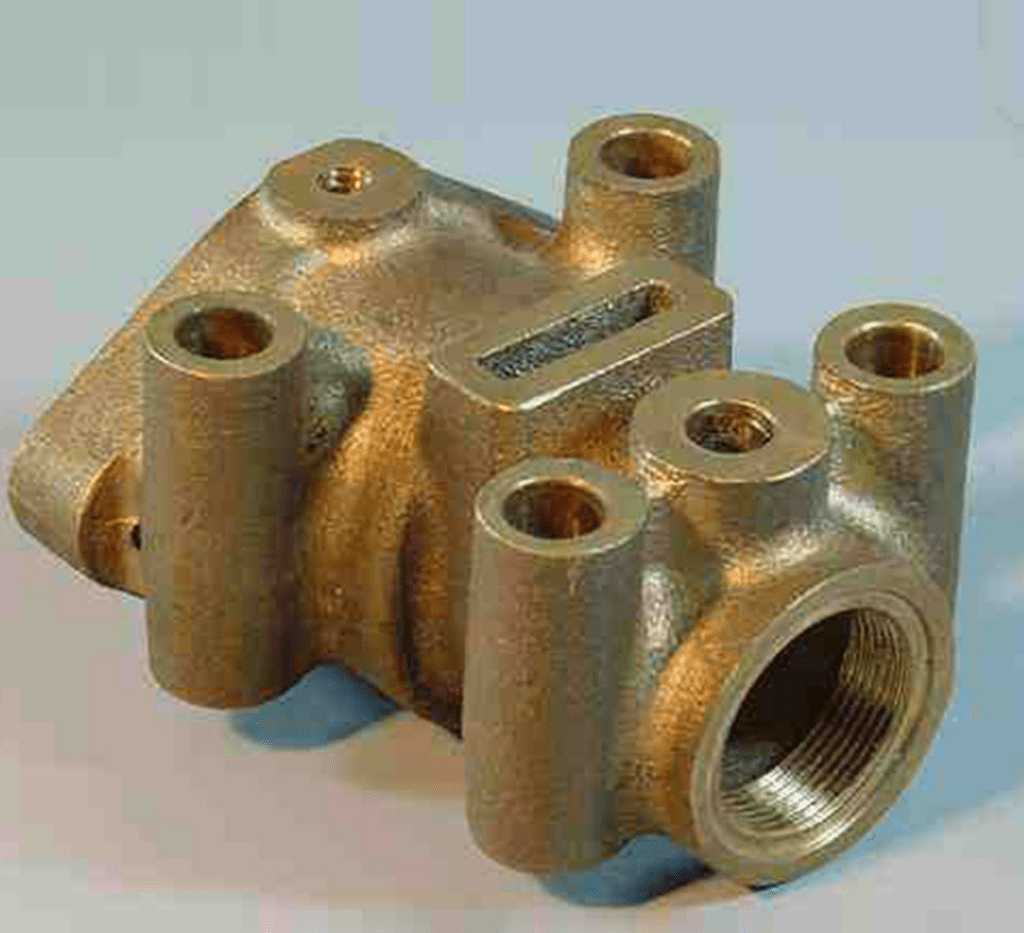
Table 3-4-9 Mechanical properties of cast copper alloys
Alloy grade | casting method | mechanical property ≥ | |||||
| tensile strength σb | yield strength σ0.2 | Extension rate δ5 (%) | Brinell hardness HBS | ||||
| Mpa | |||||||
| zcuSn3zn8pb6Ni1 | SJ | 175215 | —— | 810 | 590685 | ||
| zcuSn3zn11pb4 | SJ | 175215 | —— | 810 | 590590 | ||
| zcuSn5pb5zn5 | S、JLi、La | 200250 | 90100* | 1313 | 590*635* | ||
zcuSn10p1 | SJLiLa | 220310330360 | 130170170*170* | 3246 | 785*885*885*885* | ||
zcuSn10pb5 | SJ | 195245 | —— | 1010 | 685685 | ||
zcuSn10zn2 | SJLi、La | 240245270 | 120140*140* | 1267 | 685*785*785* | ||
zcupb10Sn10 | SJLi、La | 180220220 | 80140110 * | 756 | 635*685*685* | ||
zcupb15Sn8 | SJLi、La | 170200220 | 80100100* | 568 | 590*635*635* | ||
zcupb17Sn4zn4 | SJ | 150175 | —— | 57 | 540590 | ||
zcupb20Sn5 | SJLa | 150150180 | 6070*80* | 567 | 440*540*540* | ||
| zcupb30 | J | — | — | — | 245 | ||
zcuA18Mn13Fe3 | SJ | 600650 | 270*280* | 1510 | 15701665 | ||
zcuA18Mn13Fe3Ni2 | SJ | 645670 | 280310* | 2018 | 15701665 | ||
zcuA19Mn2 | SJ | 390440 | —— | 2020 | 835930 | ||
| zcuA19Fe4Ni4Mn2 | S | 630 | 250 | 16 | 1570 | ||
zcuA110Fe3 | SJLi、La | 490540540 | 180200200 | 131515 | 980*1080*1080* | ||
zcuAl10Fe3Mn2 | SJ | 490540 | —— | 1520 | 10801175 | ||
zcuzn38 | SJ | 295295 | —— | 3030 | 590685 | ||
zcuzn25Al6Fe3Mn3 | SJLi、La | 725740740 | 380400400 | 1077 | 1570*1665*1665* | ||
zcuzn26Al4Fe3Mn3 | SJLi、La | 600600600 | 300300300 | 181818 | 1175*1275*1275* | ||
zcuzn31Al2 | SJ | 295390 | —— | 1215 | 785885 | ||
zcuzn35Al2Mn2Fe2 | SJLi、La | 450475475 | 170200200 | 201818 | 980*1080*1080* | ||
zcuzn38Mn2pb2 | SJ | 245345 | —— | 1018 | 685785 | ||
zcuzn40Mn2 | SJ | 345390 | —— | 2025 | 785885 | ||
zcuzn40Mn3Fe1 | SJ | 440490 | —— | 1815 | 9801080 | ||
| zcuzn33pb2 | S | 180 | 70* | 12 | 490* | ||
zcuzn40pb2 | SJ | 220280 | —120* | 1520 | 785*885* | ||
zcuzn16Si4 | SJ | 345390 | —— | 1520 | 885980 | ||
2. Brinell hardness test, force unit is Newton (N).
3. Casting method code meaning:
S—sand casting J—metal casting
Continuous casting (La) vs. centrifugal casting (Li)
From the high conductivity of pure copper to the strength of aluminum bronze and the corrosion resistance of cupronickel, this guide demonstrates that the ideal copper alloy is a matter of specifics. Understanding the distinct properties of each grade is the key to optimizing part performance, ensuring manufacturability, and achieving cost-efficiency in any CNC machining project.