
What Is 52100 Steel and Why Is It So Popular?
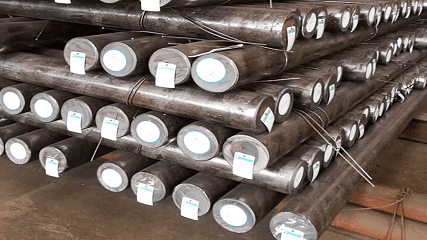
Choosing the right steel for your project can be very confusing. A wrong choice means failed parts and wasted money. Understanding a material like 52100 steel can make all the difference.
52100 steel is a high-carbon, chromium alloy steel known for its exceptional hardness, wear resistance, and strength. In my country, China, we call it GCR15. It is a type of bearing steel, making it a top choice for applications like ball bearings, races, and sharp blades.
I've worked with many materials over the years here at Worthy Hardware. Very few offer the kind of performance for specific tasks that 52100 steel does. A client like Mark from Canada often comes to us looking for parts that can withstand constant friction and pressure without failing. He needs quality he can trust, but at a good price. This is where a deep understanding of materials like 52100 steel becomes so important. It helps me guide him to the best solution that balances performance and cost. Let's explore this material in more detail so you can see if it's the right fit for your needs.
What are the characteristics of 52100 steel?
You might hear that 52100 steel is strong, but what does that mean for your parts? Not knowing the specific properties can lead to you choosing a material that isn't quite right.
The key characteristics of 52100 steel are its great hardness, excellent resistance to wear, and high strength under pressure after heat treatment. It also machines relatively well in its soft, annealed state. This mix of properties makes it a very versatile and reliable material for tough jobs.
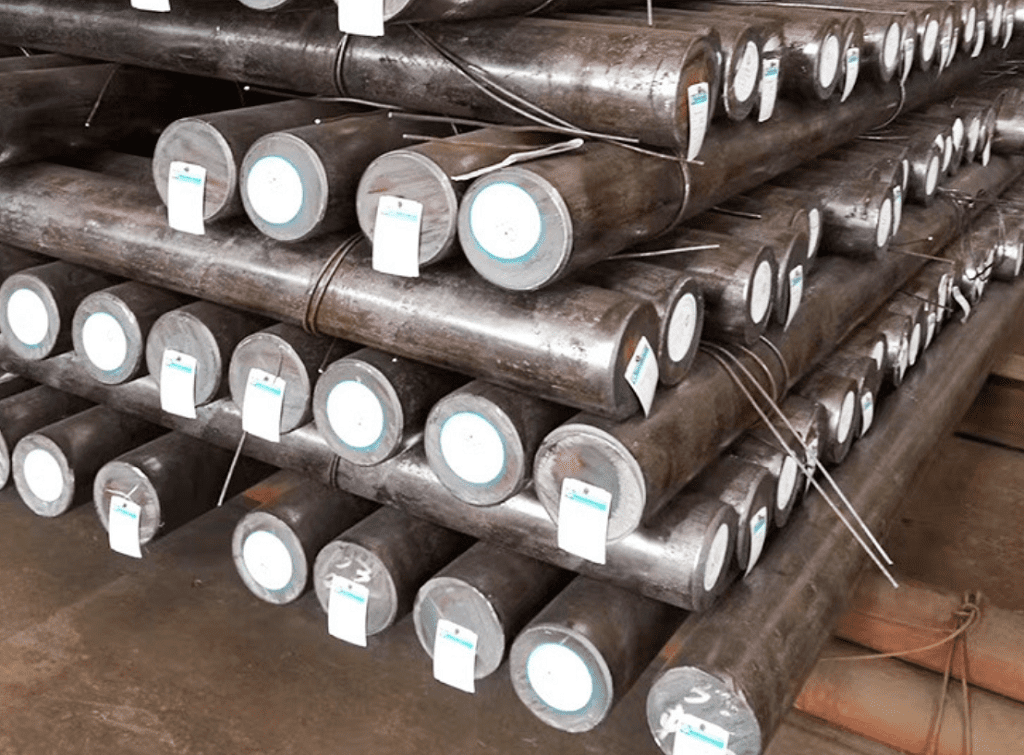
The secret to 52100 steel's performance is its chemical makeup. It contains about 1% carbon, which is very high and gives the steel its ability to become extremely hard. It also has around 1.5% chromium. This chromium helps with hardness and also improves its wear resistance. When we get a design that requires a part to roll or slide against another surface constantly, 52100 steel is often my first recommendation. I remember a project for an automotive client who needed custom bearing races. They were experiencing part failure with a standard steel. We switched to 52100, performed the correct heat treatment, and the new parts lasted three times longer. This steel is made for jobs where durability is not just a preference, but a requirement.
Key Properties Breakdown
| Property | Description | Why It Matters For Your Project |
|---|---|---|
| High Hardness | Can reach over 60 HRC after heat treatment. It's very difficult to scratch or dent. | Your parts will resist deformation and surface damage even under heavy loads. |
| Excellent Wear Resistance | The high carbon and chromium content create hard carbides that resist abrasion. | Ideal for moving parts that rub against each other, like in bearings or shafts. |
| High Compressive Strength | It can handle a lot of crushing force without breaking or changing shape. | Perfect for ball bearings that have constant, focused pressure put on them. |
| Good Machinability | In its annealed (softened) state, it can be machined with standard tools. | We can create complex shapes and precise features before we harden it, saving you time and cost. |
What are the disadvantages of using 52100 steel?
This steel sounds almost perfect for tough applications. But using it without knowing where it falls short can lead to unexpected failures, like a rusty part, long after it's been installed.
The biggest disadvantage of 52100 steel is its poor corrosion resistance; it will rust very easily if it is not protected with oil or a coating. It is also not a good choice for welding and can be brittle if the heat treatment process is not done perfectly.
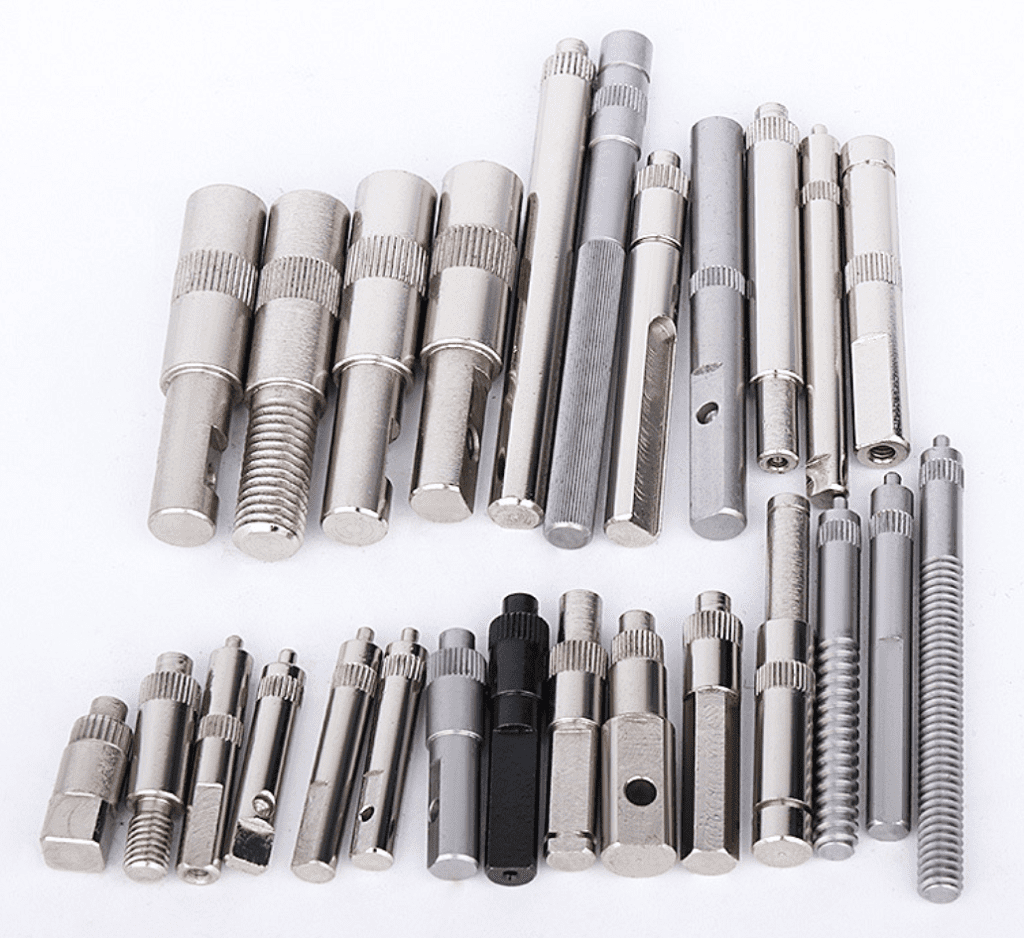
I always make sure to talk about this with my customers. If a part will be exposed to moisture, we have to plan for it. 52100 steel simply lacks the chromium content of stainless steel, so rust is a real enemy. For most of its uses, like inside a lubricated machine, this isn't a problem. But if the application is in a humid environment, we must add a protective surface finish like black oxide, plating, or just a constant coat of oil. Another point is welding. It's generally not recommended. The high carbon content that makes it so hard also makes it prone to cracking when welded. Finally, its toughness depends entirely on the heat treatment. An incorrect process can leave the steel hard but brittle, like glass. It takes skill and precise control to get the best properties from it, which is something we pride ourselves on here at Worthy Hardware.
What is 52100 steel equivalent to?
You have a design that calls for 52100 steel, but your supplier uses a different naming system. This confusion can stop your project in its tracks or lead you to use the wrong material.
52100 steel is known by different names around the world. The most common equivalents are GCr15 (China), 100Cr6 (Germany), SUJ2 (Japan), and EN31 (UK). They all share a very similar chemical composition and are used for the same high-wear applications.
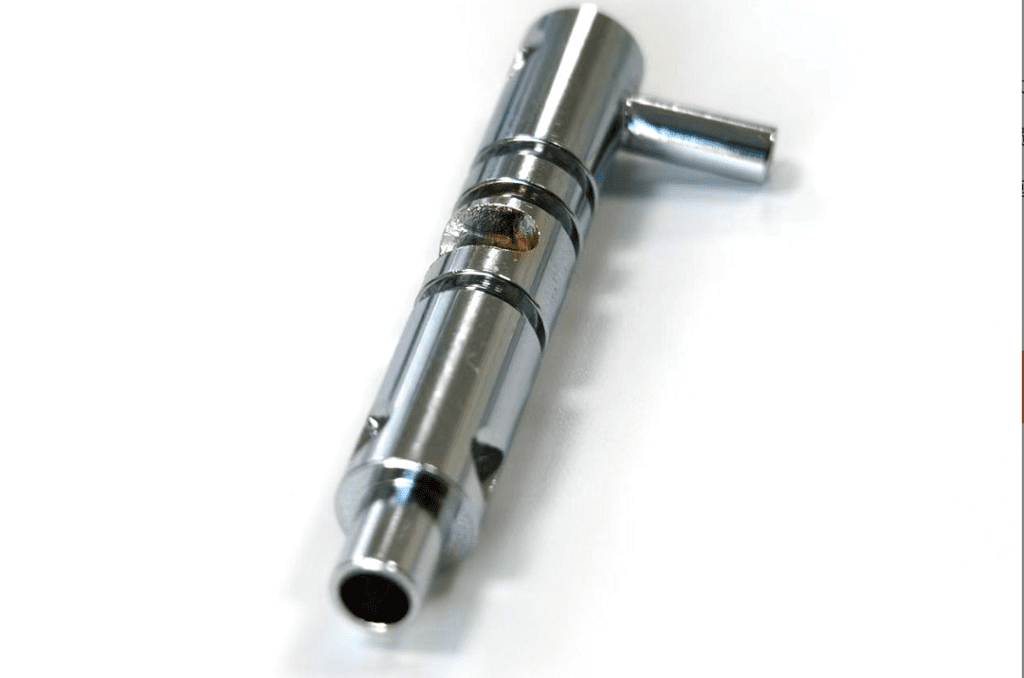
In my business, we deal with clients from all over the world, from North America to Japan and Europe. Because of this, I have to be an expert in these different naming standards. A customer from Germany might ask for 100Cr6 parts. One from Japan will ask for SUJ2. I know immediately that they are asking for the same type of high-carbon bearing steel. These small differences in names don't change the material's core properties. It helps to have a quick reference so you can communicate clearly with any supplier, anywhere in the world. Knowing these equivalents ensures that you get the exact material performance you designed for, no matter where the parts are made. This knowledge prevents delays and costly mistakes.
Common Global Equivalents for 52100 Steel
| Standard | Grade Name | Country / Region |
|---|---|---|
| AISI/SAE | 52100 | USA |
| GB | GCr15 | China |
| DIN | 100Cr6 | Germany |
| JIS | SUJ2 | Japan |
| BS | EN31 | UK |
What is the max HRC of 52100?
You need a part that is extremely hard to resist wear. You might wonder just how hard 52100 steel can get, and if it's hard enough for your specific need.
The maximum hardness of 52100 steel after proper quenching and tempering is typically between 62 and 66 HRC (Rockwell C Hardness). This makes it one of the hardest steels available, which is why it excels in applications like bearings and high-quality knives.
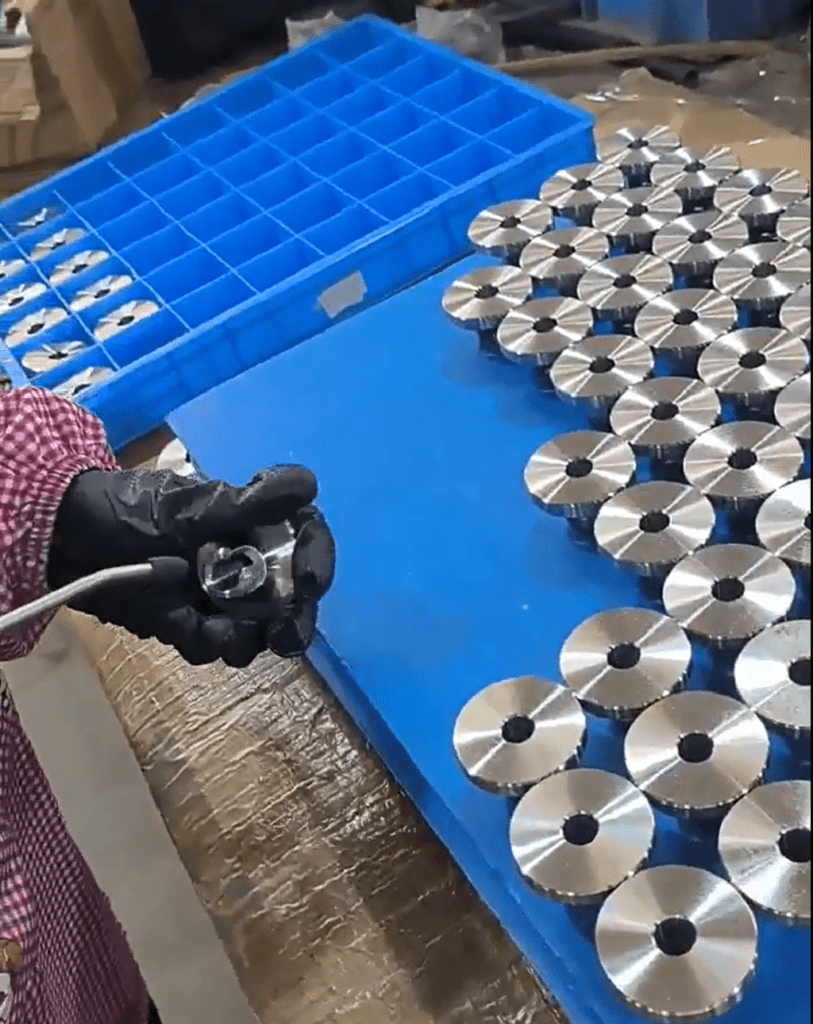
Achieving this maximum hardness is a science. At our facility, we have computer-controlled furnaces to get the process just right. First, the steel is heated to a very specific temperature, around 850°C (1550°F). Then, it is quenched rapidly in oil. This quick cooling traps the carbon atoms in a way that makes the steel structure extremely hard and strong. After quenching, the steel is very hard but also brittle. So, we perform a second step called tempering. We gently reheat it to a lower temperature, which reduces some of the brittleness and makes the part tougher and more durable. The final hardness depends on this tempering temperature. For a bearing, you want maximum hardness, maybe 62-64 HRC. For a knife blade, you might temper it a little more to get 58-60 HRC for a better balance of hardness and toughness.
Conclusion
In summary, 52100 steel is a hard, wear-resistant material ideal for bearings and blades, but it requires protection from rust and expert heat treatment to perform its best.