
What Are The Most Durable Anodized Colors For Aluminum CNC Parts?
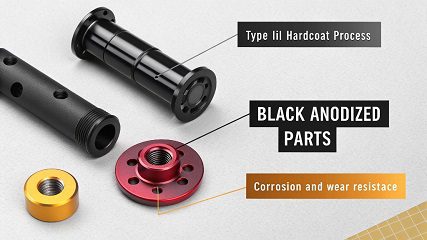
Choosing an anodized color feels like a simple aesthetic choice. But picking the wrong one can lead to fading and scratching, compromising your part's integrity and look.
Hands down, the most durable anodized color is black. Black dye, especially when used with a Type III hardcoat process, creates a finish that significantly boosts the corrosion and wear resistance of aluminum CNC parts. It is the top choice for high-performance applications.
When I first started in this business, I thought color was just about making a part look good. I quickly learned from clients like Mark, a company owner from Canada, that finish durability is critical. He needs parts that not only perform well but also maintain their appearance through heavy use and harsh conditions. A faded or scratched part can make his entire product look cheap. This is why understanding which colors last the longest is not just a detail; it's a core part of designing a successful product. Let's break down why some colors outperform others and which is the right choice for you.
What are the best colors for anodized aluminum?
You want your aluminum parts to look great and catch the eye. But you also need them to perform well and last a long time, avoiding premature wear and fading.
The best colors are often darker ones like black, bronze, or dark grays. These options generally offer better UV resistance and hide minor scratches more effectively than lighter or vibrant colors. They provide a great balance between aesthetics and long-term functional performance.
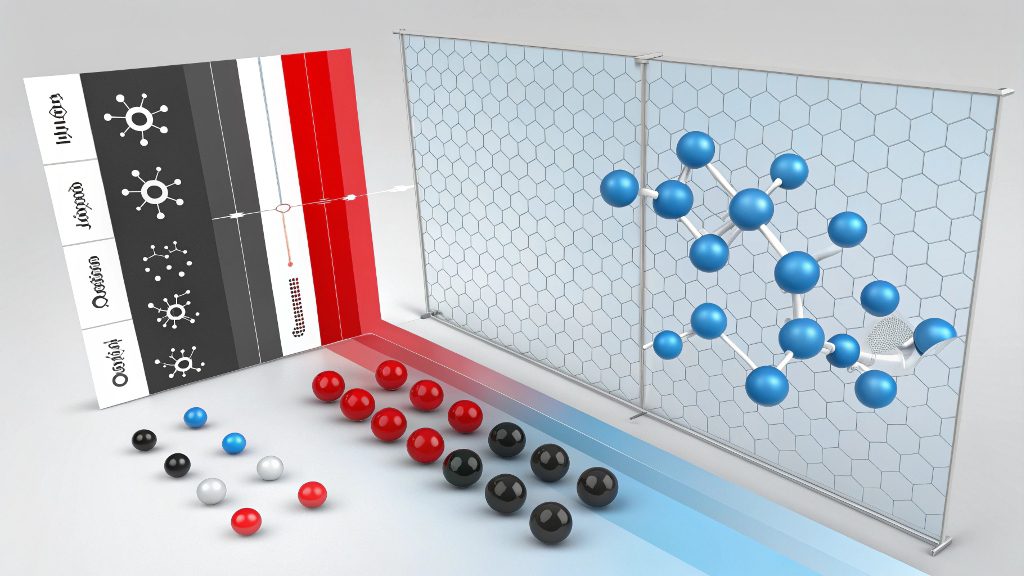
When we talk about the "best" color, it's really a conversation about balancing looks with long-term durability. Most of the colors you see in standard Type II anodizing are created using organic dyes. The secret to their durability lies in the dye's composition and how it interacts with the aluminum oxide layer.
Balancing Color Vibrancy and Lightfastness
Darker dyes, such as black, often have larger molecules or a higher concentration that gets locked into the pores of the aluminum oxide layer. This makes them more stable and resistant to breaking down under UV light. On the other hand, bright colors like red and blue can be more susceptible to fading over time, especially if the parts are used outdoors. Clear or "natural" anodizing is also an excellent durable option. It uses no dye, so there's nothing to fade. Its durability comes purely from the hard, clear aluminum oxide layer itself.
Common Colors and Their Performance
For most projects, choosing the right color comes down to the application. I often guide customers through this choice with a simple breakdown.
| Color | UV Resistance | Wear Visibility | Common Use Cases |
|---|---|---|---|
| Black | Excellent | Low | Industrial, Outdoor, Automotive |
| Clear/Silver | Excellent | Medium | Medical, Electronics, Architectural |
| Bronze/Gray | Very Good | Low | Architectural, Consumer Products |
| Blue/Red | Fair to Good | High | Prototyping, Decorative Parts |
A hardware startup I worked with initially wanted a bright red for their outdoor sensor housing. After we discussed how it would be exposed to direct sunlight, they switched to black. A year later, the parts still look brand new.
What are the colors of hard anodized aluminum?
You know you need maximum durability for your parts. You've heard of hard anodizing, but you're not sure if you can get the color you want with this process.
Hard anodizing (Type III) inherently limits the color options. The process itself creates a dark base, so typical colors are black, dark gray, or a natural bronze-like shade. Achieving light or vibrant colors is generally not possible with a true hardcoat finish.
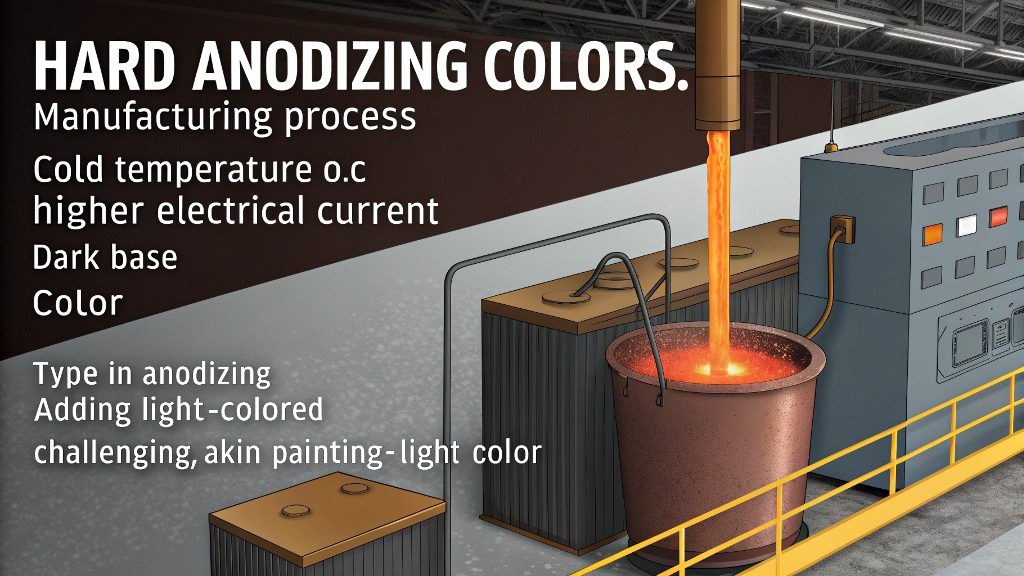
The reason for the limited color palette in hard anodizingisn't a choice; it's a direct result of the manufacturing process itself. This process, also known as Type III anodizing, is very different from the standard Type II anodizing used for more decorative colors. It's all about creating the toughest possible surface.
The Science Behind Hardcoat Colors
Hard anodizing is performed at a much colder temperature (around 0°C or 32°F) and with a higher electrical current. This aggressive process builds a very thick, dense aluminum oxide layer—often more than double the thickness of a standard anodized coating. This dense layer is what gives the part its superior hardness and abrasion resistance. However, this process also naturally darkens the aluminum, resulting in a base color that can range from a dark gray to a deep bronze, depending on the specific aluminum alloy. Trying to add a light-colored dye to this dark base is like trying to paint a light color on a black wall without a primer; the base color will dominate.
Typical Hard Anodize Color Options
Because of this dark base, the only dye that works effectively is black. Black dye is strong enough to fully penetrate the dense layer and mask the underlying gray or bronze color, resulting in a consistent, deep black finish.
| Anodizing Type | Process Name | Coating Thickness | Hardness (Rockwell C) | Common Colors |
|---|---|---|---|---|
| Type II | Sulfuric Acid Anodizing | ~0.0002" - 0.001" | 20 - 40 | Full spectrum, vibrant colors |
| Type III | Hardcoat Anodizing | ~0.002" or more | 60 - 70 | Natural (Dark Gray/Bronze), Black |
When Mark in Canada needs parts for heavy-duty industrial equipment, we don't even discuss bright colors. He knows from experience that black hard anodizing is the only option that delivers the rugged durability and professional look his customers expect.
What are the colors of anodized aluminum finish?
You see anodized aluminum in many products, from phones to car parts. But the wide range of finishes and colors you see can be confusing when specifying your own part.
The colors for anodized aluminum can range from clear and metallic tones to a full spectrum of vibrant hues and deep blacks. The palette depends entirely on the type of anodizing process used, with Type II offering the widest variety for decorative purposes.
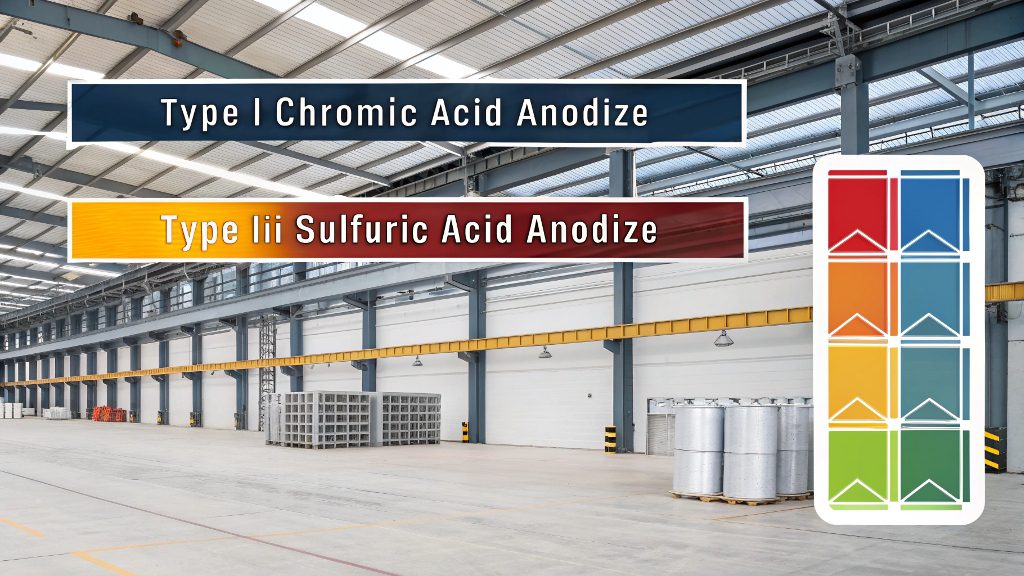
The beautiful range of colors available for anodized aluminum is one of its greatest strengths. This versatility allows designers and engineers to create parts that are both functional and visually appealing. However, not all anodizing processes are created equal, and the color options are directly tied to the specific method used. At Worthy, we help our clients navigate these options to find the perfect match for their project's needs.
Differentiating Anodizing Types by Color
Understanding the basic types of anodizing is key to knowing what color options are on the table. Each process creates a different kind of aluminum oxide layer, which in turn affects how it can be dyed.
- Type I - Chromic Acid Anodize: This creates the thinnest oxide layer. It's not great for coloring and typically results in a dull gray finish. It's primarily used in aerospace for its excellent corrosion resistance, not for aesthetics.
- Type II - Sulfuric Acid Anodize: This is the most common type of anodizing and the one that offers the widest range of colors. The process creates a porous oxide layer that readily absorbs organic dyes. This allows for rich, vibrant colors like red, blue, green, gold, and, of course, black. The finish is durable and attractive, making it ideal for consumer products, electronics, and automotive trim.
- Type III - Hardcoat Anodize: As we've discussed, this process is built for maximum durability. Its thick, dense layer limits color options almost exclusively to its natural dark gray/bronze state or dyed black.
I often have new clients from hardware startups ask for a "hardcoat" in bright orange. This opens up a great conversation where I can explain the trade-offs. We can achieve a beautiful orange with Type II, and it will be quite durable. But if they need the extreme scratch resistance of a true hardcoat, we have to stick with black or the natural dark gray finish.
How durable is hard anodized aluminum?
You need a finish that can withstand a lot of abuse. You've heard that hard anodized aluminum is tough, but you want to know just how durable it really is.
Hard anodized aluminum is extremely durable. Its surface hardness can reach 60-70 on the Rockwell C scale, which is comparable to case-hardened steel. This makes it exceptionally resistant to abrasion, scratching, and corrosion, far surpassing standard anodizing or paint.
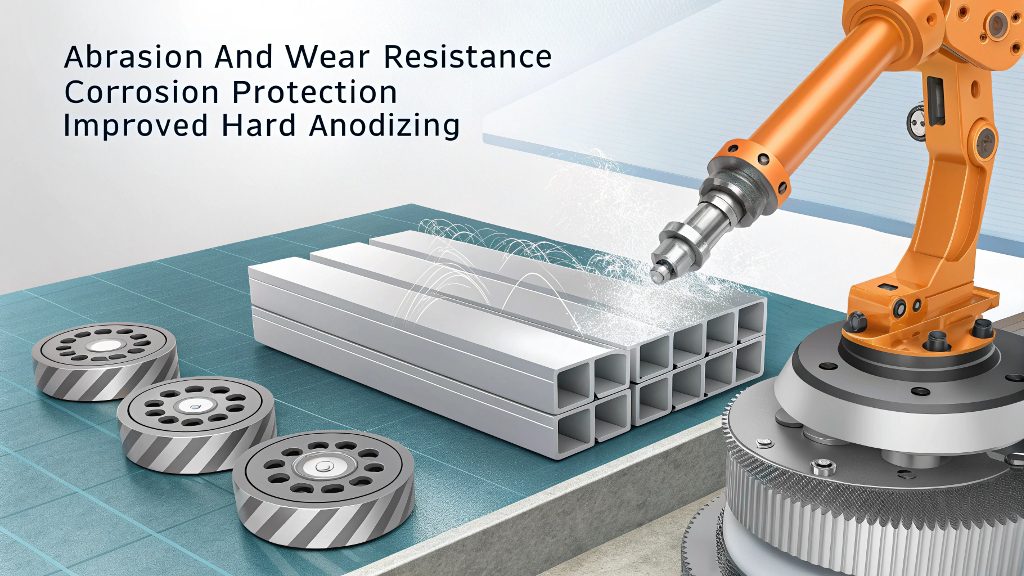
The durability of hard anodized (Type III) aluminum is its single greatest advantage. It's not just a coating; it's an integral part of the aluminum itself. The process electrochemically converts the surface of the aluminum into aluminum oxide. This layer is much harder than the base aluminum, creating a protective shell that can withstand incredibly harsh environments.
Key Factors of Durability
When I explain the benefits to customers, I focus on three main areas where hard anodizing excels. This finish provides a level of protection that other surface treatments for aluminum simply cannot match.
- Abrasion and Wear Resistance: This is where hardcoat truly shines. The aluminum oxide surface is incredibly hard. This makes it perfect for parts that experience friction or contact, such as pistons, gears, and sliding components. It dramatically extends the service life of the part by preventing it from wearing down. We've made parts for robotic arms where un-anodized aluminum would fail in months, but hard anodized parts last for years.
- Corrosion Resistance: The thick, non-porous layer of a properly sealed hard anodized finish creates an excellent barrier against moisture and chemicals. It provides superior protection against oxidation and corrosion, especially in saltwater or industrial chemical environments.
- Heat Dissipation: The dark, matte surface of hard anodized aluminum, particularly black, is more effective at radiating heat than raw aluminum. This can be a critical advantage in electronics and high-performance automotive parts where managing temperature is essential.
For any client whose parts will face mechanical wear, chemical exposure, or extreme conditions, I always recommend hard anodizing. It is a small investment that pays huge dividends in the longevity and reliability of the final product.
Conclusion
Ultimately, black hard anodizing is the most durable choice for aluminum CNC parts. It delivers unbeatable wear resistance, corrosion protection, and a lasting finish for any demanding application.