
What Are the Best Polymers for CNC Machining?
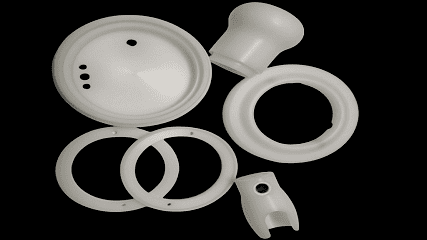
Choosing the wrong material for your CNC project can be a costly mistake. Your parts could fail, wasting time and money. Let's make sure you get it right.
The best polymers for CNC machining offer great machinability, stability, and specific properties for your needs. Top choices include plastics like POM (Delrin), ABS, PC (Polycarbonate), and Nylon. Each has unique strengths, making them suitable for everything from prototypes to functional end-use parts.
Choosing the right material is a big decision for any project. I remember working with a client, Mark from Canada, who needed the perfect balance of performance and cost for his consumer product line. He was worried about making the wrong choice. Together, we walked through the options to find the best fit. Let's break down the most common materials so you can choose with confidence, just like he did.
What plastics are best for CNC machining?
With so many plastics available, it's hard to know which one will machine well. A bad choice can lead to a melted part or one that breaks easily.
The best plastics for CNC machining are POM (Delrin), ABS, PC (Polycarbonate), and Nylon. They offer excellent machinability, dimensional stability, and a range of mechanical properties. This makes them ideal for creating everything from strong prototypes to functional end-use components.
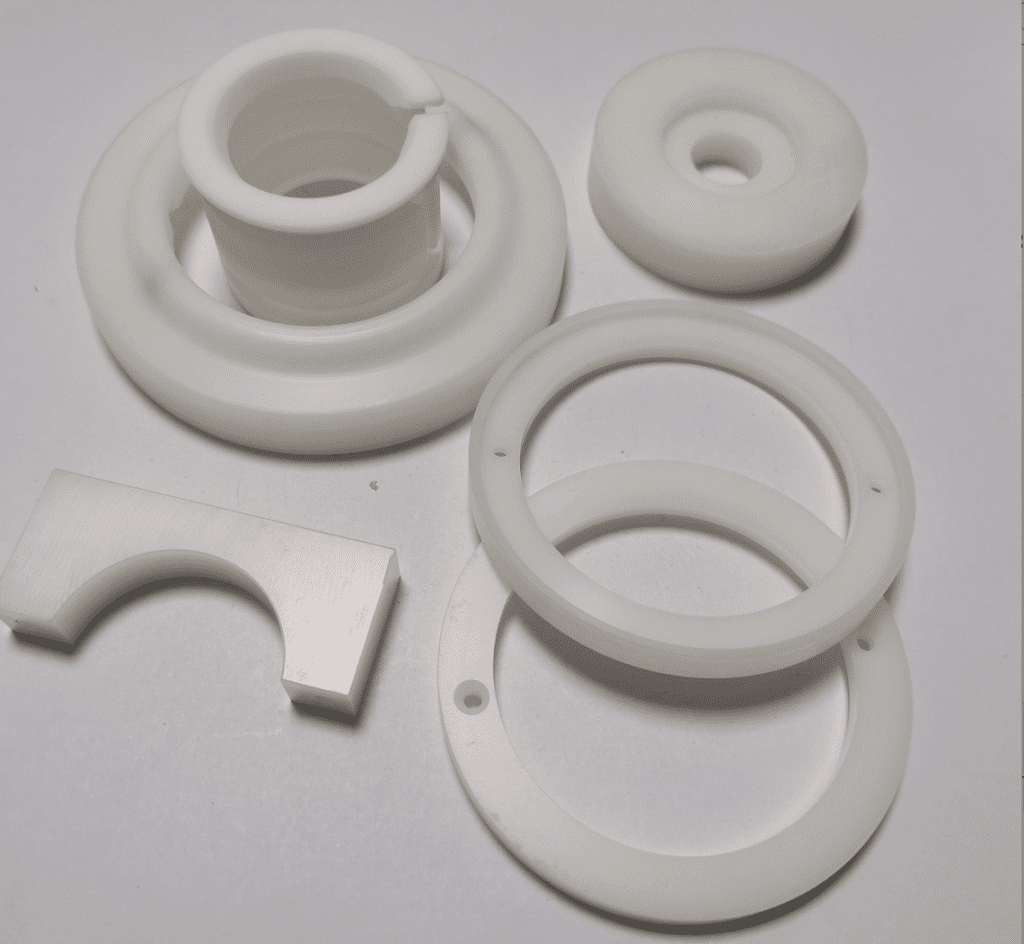
Making the right choice depends entirely on your application. At our facility, we handle these materials every day. They are popular for good reasons. Let's look at each one more closely to see where they shine. We can compare their key features to help you decide.
Key Machinable Plastics
| Plastic | Key Features | Common Applications |
|---|---|---|
| POM (Delrin) | Low friction, high stiffness, excellent stability. | Gears, bearings, bushings, rollers. |
| ABS | Tough, high impact resistance, low cost. | Prototypes, enclosures, consumer goods. |
| PC (Polycarbonate) | Very strong, transparent, impact resistant. | Protective shields, lenses, electronic housings. |
| Nylon (PA) | Strong, durable, wear and chemical resistant. | Wear pads, screws, structural components. |
Each material has its own personality on the CNC machine. For example, POM cuts like butter and leaves a beautiful finish. ABS is also very easy to work with. PC requires careful tool selection and coolant to prevent cracking, but the result is an incredibly tough part. We have the experience to handle them all.
Can stainless steel be CNC machined?
You might think CNC machining is just for softer materials like plastic. Many clients ask if we can handle tougher metals, especially for parts that need superior strength and corrosion resistance.
Yes, stainless steel can be CNC machined very effectively. Grades like 303, 304, and 316 are common choices. While it is tougher and more challenging to machine than aluminum, modern CNC equipment and techniques produce precise, high-quality stainless steel parts.
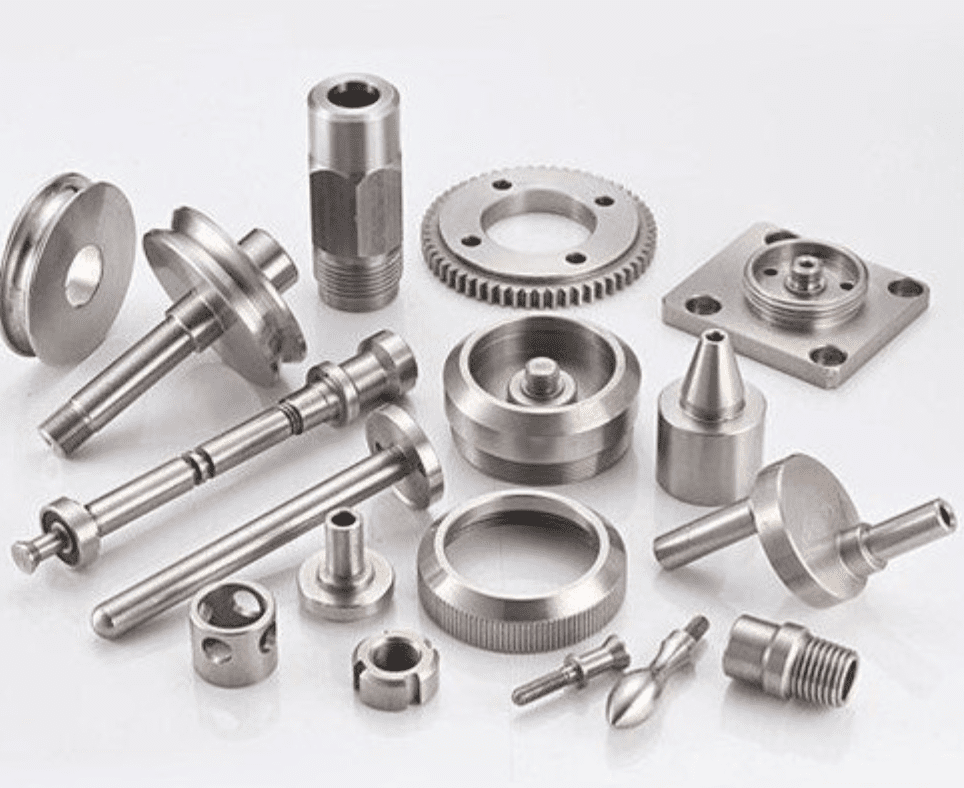
Machining stainless steel is a core part of our business. It requires more rigid machines, sharper tooling, and specific cutting speeds compared to plastics or aluminum. The material work-hardens, which means it gets harder as you cut it. This can be a challenge. We have to be very precise with our process to avoid tool wear and ensure a great surface finish.
Stainless Steel Machining Considerations
- Grade Selection: The grade of stainless steel matters a lot. For example, 303 is designed for easier machining due to its sulfur content. 304 is the most common grade, offering a good balance of corrosion resistance and machinability. 316 is the best for corrosion resistance, especially in salty environments, but it's the toughest one to machine.
- Tooling: We use very strong carbide tools, often with special coatings, to cut stainless steel.
- Speeds and Feeds: We run our machines at lower speeds but with higher feed rates than for other metals. This helps prevent work hardening and keeps the tools from getting too hot.
- Coolant: A constant flood of coolant is critical. It keeps the part and the tool cool, flushes away chips, and improves the final surface finish.
So, while stainless steel is a strong material, it's no problem for a well-equipped shop like ours.
Can you CNC 6061 aluminum?
Projects often need a material that is lightweight but strong. This is where aluminum comes in, but clients often wonder if their specific aluminum grade is suitable for machining.
Yes, you can absolutely CNC machine 6061 aluminum. It is one of the most popular and versatile materials for CNC machining. Its excellent strength-to-weight ratio, good machinability, and corrosion resistance make it a top choice for a huge range of parts.
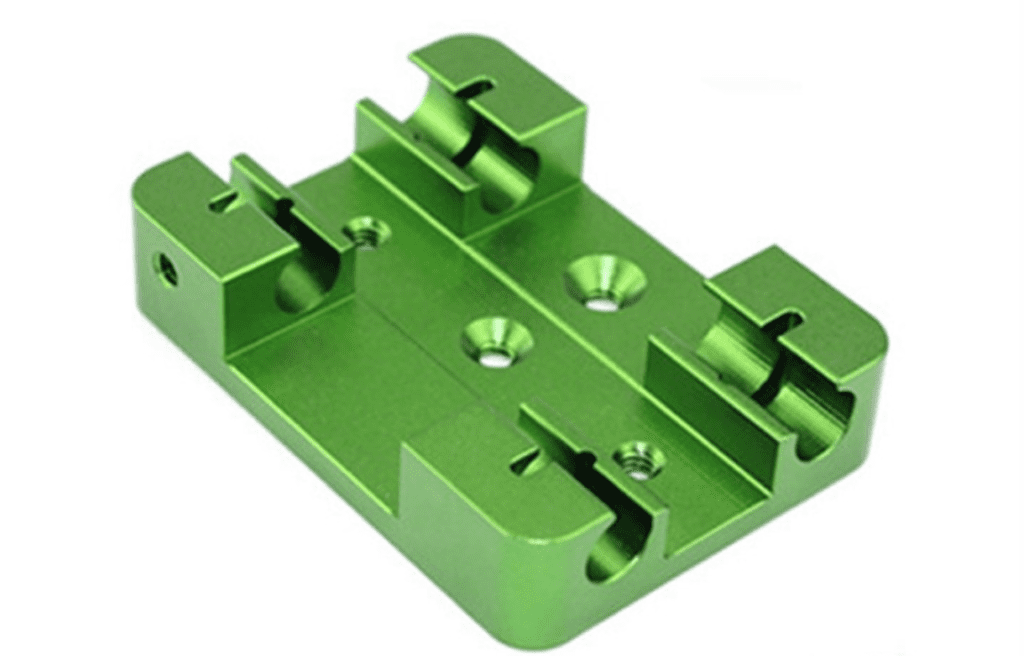
We probably machine more 6061 aluminum than any other single material here at Worthy. It is incredibly easy to work with. It cuts cleanly, allows for high cutting speeds, and we can achieve very tight tolerances, even down to +/- 0.001 inches. The chips clear away easily, and the resulting surface finish is excellent. After machining, 6061 aluminum can be anodized in different colors, which adds a hard, protective layer and looks great.
Why 6061 Aluminum is So Popular
Here’s a simple breakdown of what makes 6061 a go-to material for so many projects, from aerospace components to consumer electronics:
- Lightweight: It’s much lighter than steel, which is great for automotive and aerospace applications where weight is critical.
- Strong: For its weight, it is very strong, especially after heat treatment (the T6 condition).
- Corrosion Resistant: It naturally forms a protective oxide layer, so it resists rust and corrosion well.
- Weldable: It can be easily welded, which adds to its versatility in manufacturing.
- Affordable: Compared to more exotic metals or high-performance polymers, 6061 aluminum offers amazing performance for its cost.
If you need a reliable, cost-effective metal part, 6061-T6 aluminum is almost always a fantastic starting point.
What is the most stable plastic for machining?
Your part might need to hold its exact shape and size, even with changes in temperature or humidity. This requires a dimensionally stable material that won't warp or change over time.
The most dimensionally stable plastic for CNC machining is generally PEEK. However, for most common applications, POM (Delrin/Acetal) offers excellent dimensional stability at a much lower cost. It resists moisture absorption and holds tight tolerances very well during and after machining.
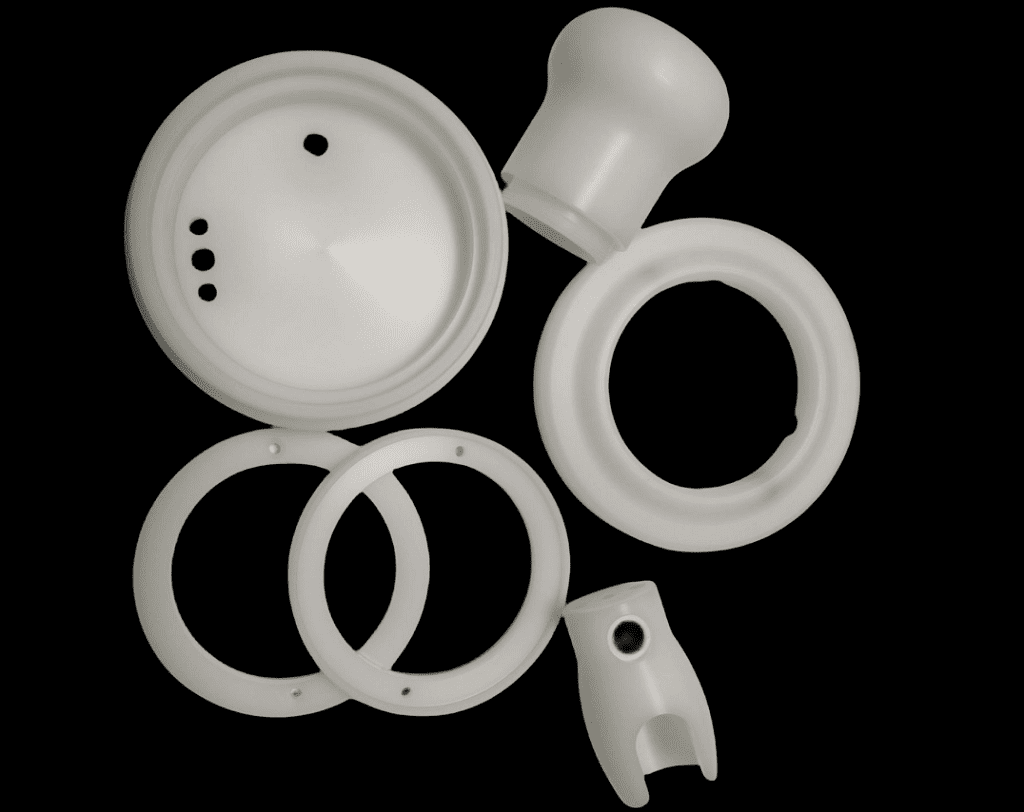
Dimensional stability is critical, especially for precision parts. A part that changes size is a failed part. When we talk about stability, we are looking at a few things: low moisture absorption, a low coefficient of thermal expansion (it doesn't grow or shrink much with heat), and low internal stress.
Comparing Stable Plastics
- PEEK: This is the ultimate high-performance polymer. It is incredibly stable across a huge range of temperatures and is resistant to almost all chemicals. However, it is very expensive. We use it for demanding medical, aerospace, and energy applications.
- POM (Delrin/Acetal): This is our top recommendation for most projects needing stability. It absorbs very little water, so it won’t swell in humid environments. It’s also very stiff and machines beautifully, allowing us to hold tight tolerances. It is the perfect balance of performance and price for precision mechanical parts.
- PTFE (Teflon): While famous for being slippery, PTFE is also very stable. It doesn't absorb water and handles a wide temperature range. However, it is much softer and can be difficult to machine to very tight tolerances because it can deform under pressure.
For most of my clients, POM is the clear winner for stability unless the part faces extreme heat or harsh chemicals, which would require PEEK.
Conclusion
Choosing the right material is key to your project's success. Whether it's a stable plastic like POM or a strong metal like 6061 aluminum, we can machine it.