
Type II vs Type III Anodizing: Which is Right for Your CNC Parts?
Choosing the wrong aluminum finish can be a costly mistake. Your parts might fail in the field or look unprofessional. Let me help you pick the right anodizing type.
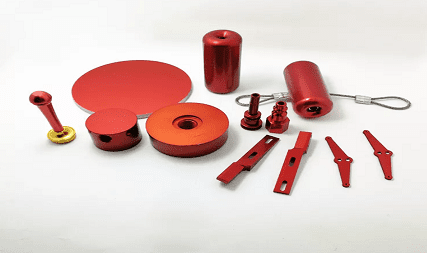
The most crucial difference is coating thickness and its application. Type II is thinner (around 20μm) and suits most commercial products for corrosion resistance and color. Type III (hardcoat) is thicker (50μm+) and harder, designed for high-wear industrial and military environments.
You've got the basic answer, but the details really matter when it comes to performance and cost. As a CNC machining supplier with over 15 years of experience, I've seen how picking the right finish can make or break a project. Let's dive deeper into the specifics so you can make an informed decision for your parts.
What is the difference between Class 1 and Class 2 anodizing?
The terms "Class 1" and "Class 2" create a lot of confusion. Picking the wrong one can ruin the look of your final product. Let's clear this up simply.
Class 1 anodizing is clear or undyed, leaving a natural metallic finish. Class 2 anodizing is dyed, where a color pigment is added into the porous oxide layer. The choice is purely about the final appearance you want for your part.
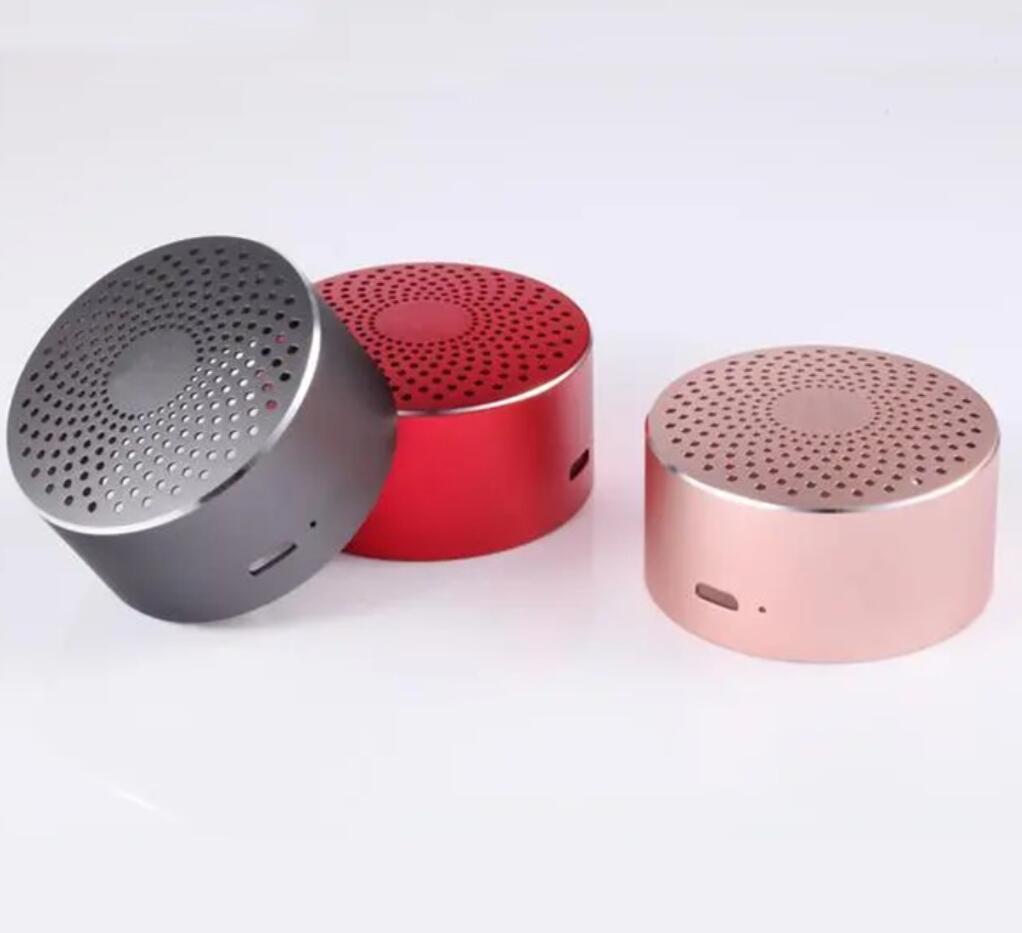
It's important to understand that "Class" refers to color, while "Type" refers to the process and resulting thickness/hardness. You can have both Type II and Type III anodizing] in either Class 1 or Class 2. However, dyeing Type III (hardcoat) is less common because the dense layer doesn't absorb dyes as well, resulting in much darker, murkier colors. Most vibrant colors you see are on Type II anodized parts. At Worthy Hardware, we always ask about color requirements early in the quoting process to ensure we use the correct specification.
Key Differences: Anodizing Class 1 vs. Class 2
| Feature | Class 1 | Class 2 |
|---|---|---|
| Appearance | Clear, undyed | Colored, dyed |
| Process | Anodized and sealed | Anodized, dyed, then sealed |
| Common Use | When natural aluminum look is desired | For branding, aesthetics, coding |
| Best For | Both Type II and Type III | Primarily Type II for vibrant colors |
What is Type 2 anodize buildup?
Are you worried about how anodizing will change the dimensions of your precision parts? Misunderstanding dimensional change can make tight-tolerance parts useless. Let's look at how Type II builds up.
Type II anodizing grows both into and out of the aluminum surface. As a rule of thumb, about 50% of the total coating thickness penetrates the material, and 50% builds up on the surface. So, a 20μm coating adds 10μm to the surface.
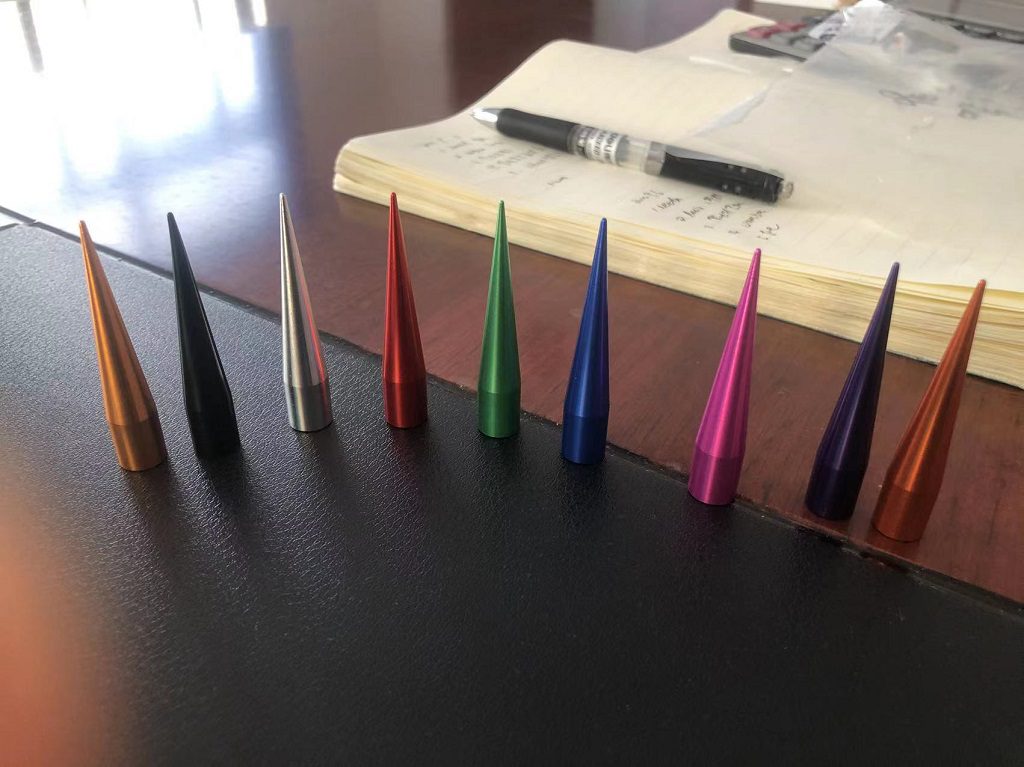
This dimensional change is a critical detail in precision CNC machining. For a part with a tight tolerance, like +/- 0.01mm, a 10μm (0.01mm) surface buildup on each side can push it out of spec. As an experienced supplier, we always account for this. When a customer sends us a drawing for a part requiring Type II anodizing, our engineers review the tolerances. If we see a potential conflict, we will machine the part slightly undersized to ensure that after the anodizing buildup, the final dimensions are perfectly within the required specification. This proactive step saves our customers time and money by preventing scrapped parts.
How hard is type 3 anodizing?
Do your aluminum parts need to survive in harsh, abrasive environments? Standard coatings can scratch and wear away, causing failures. Type III anodizing offers a solution with impressive hardness.
Type III anodizing, also known as hardcoat, is exceptionally hard. It typically reaches 60 to 70 on the Rockwell C scale. This hardness is similar to hardened tool steel, providing excellent resistance to wear, abrasion, and corrosion.
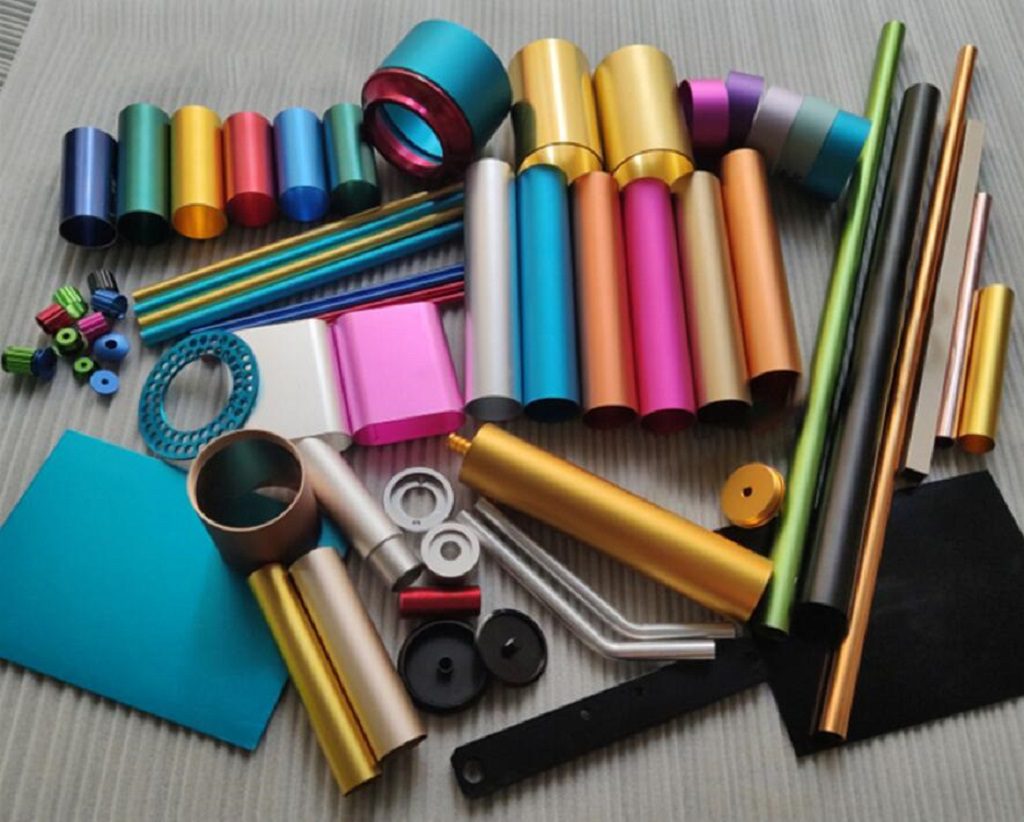
To put that hardness in perspective, it's significantly harder than the base aluminum alloy, which is often below 20 Rockwell C. This transformation is why hardcoat is essential for military equipment, aerospace components, high-performance automotive pistons, and industrial machinery. The process itself is what creates this hardness. Unlike Type II, hardcoat anodizing is done at much colder temperatures (around 0°C) and with a higher electrical current. This slows down the chemical reaction, creating a very dense, thick, and highly-ordered aluminum oxide layer. This dense structure is what gives it its incredible resistance to scratching and wear.
What is the difference between Type III and Type II anodizing?
Choosing between Type II and Type III can be confusing. The wrong decision could mean you overspend on a finish you don't need, or your parts fail prematurely.
The primary difference is that Type III (hardcoat) produces a much thicker, harder, and more wear-resistant coating than Type II. Type II is mainly for cosmetic purposes and basic corrosion resistance, while Type III is for functional, high-performance applications.
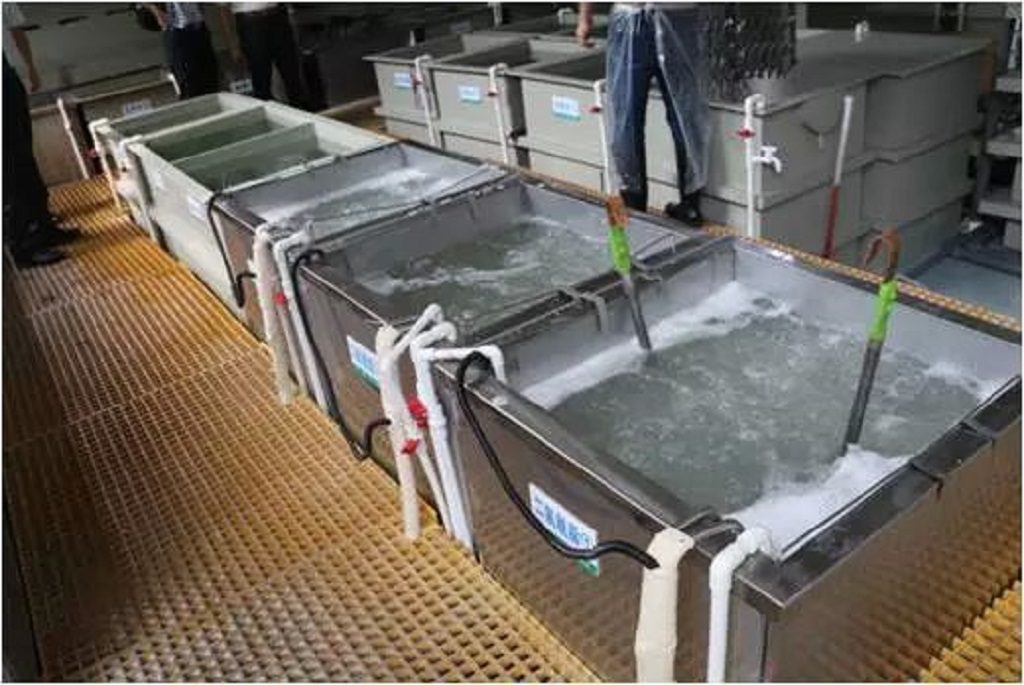
From my 15 years of experience, the choice comes down to the product's end-use. If you are making a consumer electronics case, a front panel, or a part where color and light corrosion resistance are key, Type II is perfect. It's cost-effective and looks great. But if the part is a piston, a valve, or a piece of military gear that will see constant friction and harsh conditions, you must use Type III. The thickness alone tells the story: Type II is typically 10-25μm, while Type III is often 50μm or more. This extra thickness and hardness mean Type III costs more and takes longer to process, so we always recommend it only when necessary.
Key Differences: Type II vs. Type III Anodizing
| Feature | Type II Anodizing | Type III Anodizing (Hardcoat) |
|---|---|---|
| Coating Thickness | Thinner (10-25 μm) | Thicker (50+ μm) |
| Hardness | Moderate | Very Hard (60-70 Rockwell C) |
| Primary Use | Cosmetics, light corrosion resistance | High wear and abrasion resistance |
| Cost | Lower | Higher |
| Color Options | Wide range of vibrant colors | Limited, typically dark colors |
What is type II anodizing?
You have heard about putting a finish on aluminum, but what exactly is Type II anodizing? Without this basic knowledge, you can't make good decisions for your products.
Type II anodizing is an electrochemical process that creates a durable, corrosion-resistant, and decorative oxide layer on aluminum. It uses sulfuric acid as the electrolyte and is the most common and cost-effective type of anodizing used for commercial products.
Think of it as electronically controlling the natural rusting process of aluminum. The raw aluminum part is submerged in a sulfuric acid bath and an electric current is passed through it. This opens up pores on the surface, and a layer of aluminum oxide builds up. This new layer is much harder and more durable than raw aluminum. The beauty of this porous layer is that it can easily absorb colored dyes before it's sealed, which is why Type II anodizing is fantastic for adding vibrant colors to products. After dyeing, the part is sealed, usually in hot water, which closes the pores and locks in the color, providing excellent protection for everyday use.
Can you hard anodize titanium?
Your project requires the strength of titanium, but you also need a hard, wear-resistant surface. This leads many people to ask if they can apply a hardcoat finish to it.
No, you cannot anodize titanium in the same way you hard anodize aluminum. Titanium anodizing (Type II or Type III under SAE AMS 2488) is a different process that creates a very thin oxide layer mainly for anti-galling and identification, not for hardness.
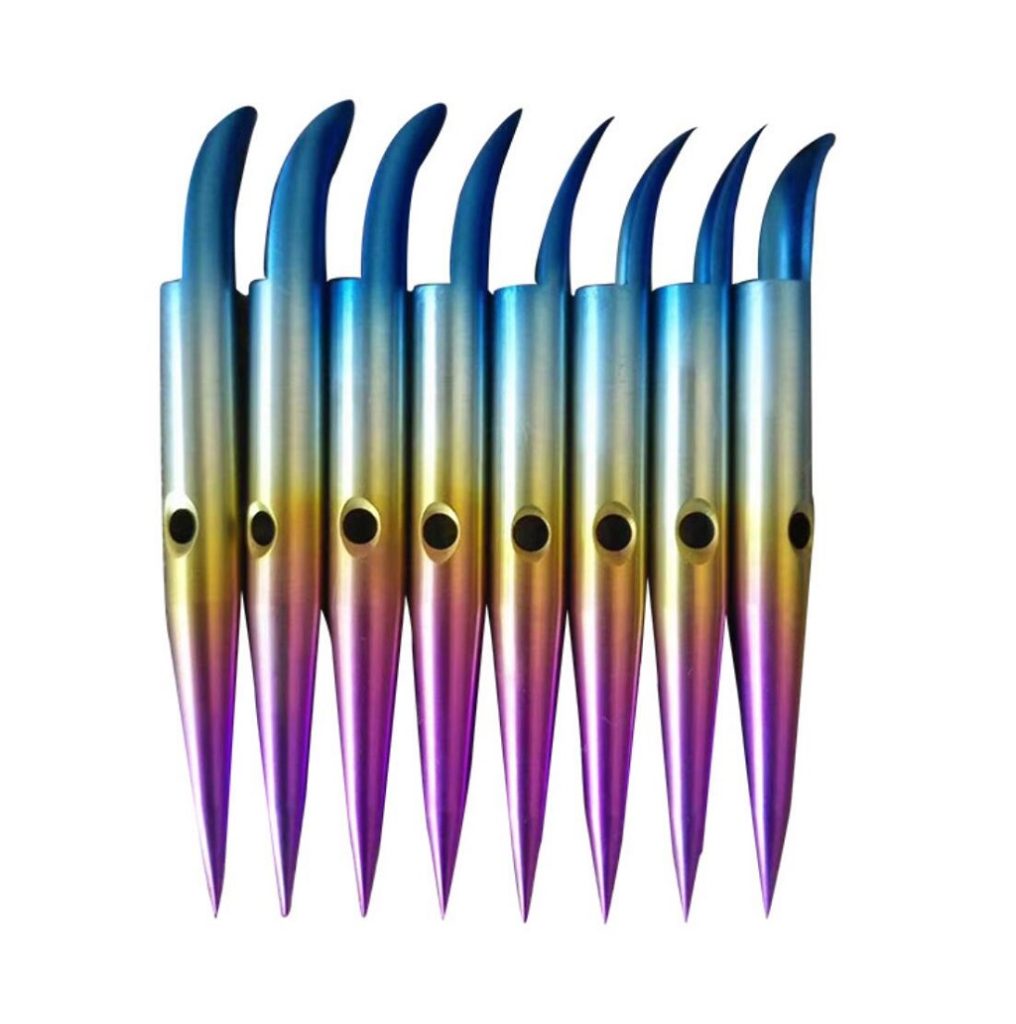
This is a common point of confusion. The term "anodizing" is used for both metals, but the results are completely different. Aluminum hard anodizing creates a thick, ceramic-like layer of aluminum oxide that is extremely hard. Titanium anodizing, on the other hand, only creates a very thin oxide layer (just nanometers thick). This thin layer doesn't add any significant hardness or wear resistance. Its main benefits are preventing galling (when metal surfaces seize up under pressure) and creating different colors through light interference, not dyes. If you need a hard surface on titanium, you should look into other coating processes like Physical Vapor Deposition (PVD) or nitriding.
What is the best aluminum grade for anodizing?
You want a beautiful and consistent anodized finish, but the result looks patchy. The problem might be the aluminum alloy you chose, not the anodizing process itself.
For the best and most consistent cosmetic anodizing results, the 5xxx and 6xxx series alloys, especially 6061 and 5052, are excellent choices. They produce a clear, uniform, and durable oxide layer that accepts dyes very well for a great finish.
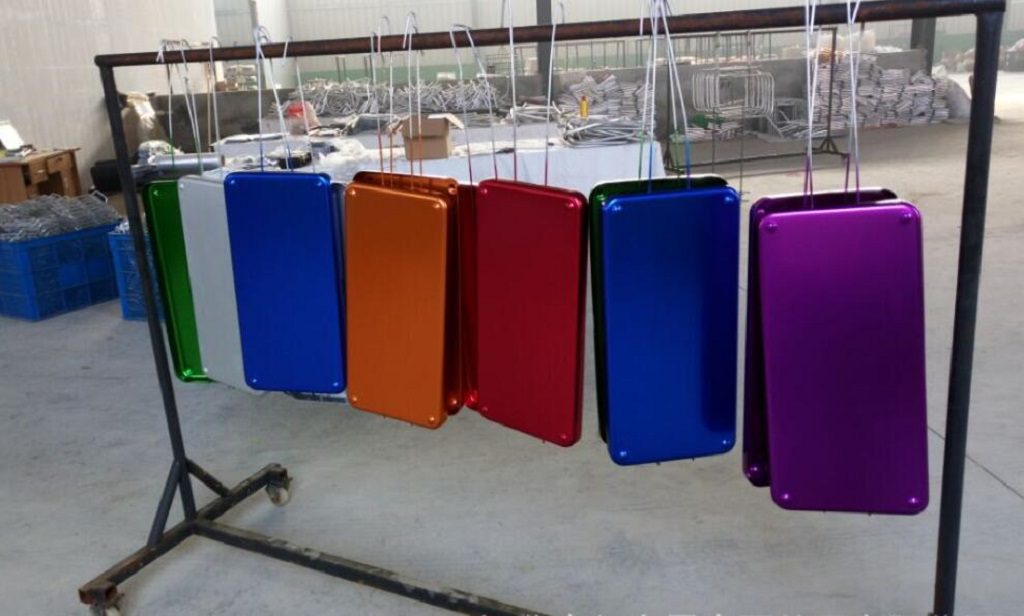
The alloying elements in aluminum have a huge impact on the final anodized look. Alloys like 6061 have a balanced composition that anodizes cleanly. However, alloys with high amounts of silicon, like the 4xxx series or many casting alloys, can be difficult. The silicon doesn't anodize, leading to a dark, gray, and often blotchy appearance. Similarly, high-copper alloys like 2024 can also produce inconsistent results. As a CNC machining service provider, if a customer specifies an alloy that is poor for anodizing but requires a high-quality cosmetic finish, we will raise a flag. Our engineers will suggest a more suitable alloy, like 6061, to ensure the final product meets their aesthetic expectations.
Conclusion
Choosing between Type II and Type III anodizing depends entirely on your product's needs. Use Type II for looks and standard protection, but choose Type III for true durability.
If you have questions about the best finish for your CNC machined parts, please contact me and my team of engineers at Worthy Hardware. You can reach us at [email protected] or visit our website at www.worthyhardware.com.