
What are the best materials for manufacturing waveguide flanges?

Struggling to pick the right material for your waveguide flanges? It's a common problem. Making the wrong choice can lead to poor performance or even system failure.
The best materials for manufacturing waveguide flanges are generally aluminum, copper alloys like brass, and stainless steel. These offer a good balance of electrical conductivity, mechanical strength, corrosion resistance, and machinability for most applications.
Choosing the perfect material for waveguide flanges can seem tricky. There are several factors to consider, and each material has its own set of pros and cons. I've seen many clients get stuck at this stage. But don't worry, I'm here to break it down for you. We'll look at the most common and effective options. This will help you make an informed decision for your specific needs. Let's explore what makes certain materials stand out for this critical component.
What material is used for waveguide flanges?
Finding the ideal material for waveguide flanges can be a challenge. You need something reliable. Poor material choice leads to signal loss or damage over time.
Commonly, waveguide flanges are made from aluminum, brass (a copper alloy), or stainless steel. Each material is chosen for its specific properties that benefit waveguide performance and longevity in different environments.
When we talk about what materials are used for waveguide flanges, several usual suspects come up. I often recommend aluminum to my clients, especially when weight is a concern. It's lightweight and has good electrical conductivity. Plus, it's relatively easy to machine, which can help keep costs down.
Another popular choice is brass. Brass is an alloy of copper and zinc. It offers excellent electrical conductivity, even better than aluminum in some cases, and it's also quite corrosion-resistant, especially in marine environments. It machines beautifully, allowing for very precise finishes. Then there's stainless steel.
If you need superior strength and corrosion resistance, particularly in harsh chemical environments or at high temperatures, stainless steel is a fantastic option. It’s a bit tougher to machine, which can increase the cost, but for demanding applications, it's often worth it. These three – aluminum, brass, and stainless steel – cover the vast majority of waveguide flange applications I encounter.
What materials are generally preferred for waveguides?
Unsure about which material is truly preferred for your waveguides and their flanges? This uncertainty can delay projects. You want a material that ensures optimal performance without issues.
Generally, materials like aluminum, copper, and brass are preferred for waveguides due to their excellent electrical conductivity and good machinability. Silver plating is also common to enhance surface conductivity.
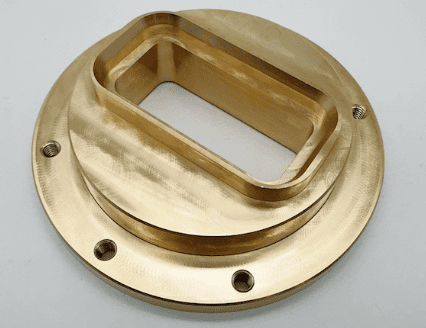
When looking at materials generally preferred for waveguides and their flanges, we need to consider a few key properties. Electrical conductivity is paramount. The RF signals travel along the surface of the waveguide, so a highly conductive material minimizes signal loss. This is why copper and its alloys, like brass, are top contenders. Aluminum is also very popular because it offers a great balance. It's highly conductive (though not as much as pure copper), lightweight, and more cost-effective.
Here's a simple breakdown:
| Feature | Aluminum | Copper/Brass | Stainless Steel |
|---|---|---|---|
| Conductivity | Good | Excellent | Fair |
| Corrosion Res. | Good (forms protective oxide layer) | Good (Brass better than pure copper) | Excellent |
| Machinability | Excellent | Excellent | Fair to Good (depends on grade) |
| Weight | Lightweight | Heavier | Heaviest |
| Cost | Lower | Moderate to Higher | Higher |
| Strength | Moderate | Moderate | High |
Sometimes, you'll see waveguides made from one material, say aluminum, and then plated with a thin layer of silver or gold. Silver has the highest electrical conductivity of all metals. Gold provides excellent corrosion resistance on top of good conductivity. So, the "preferred" material often depends on balancing performance needs with budget and environmental conditions. I always ask my clients about their specific application before making a recommendation.
What is the best material for a waveguide?
Wondering what the absolute "best" material for a waveguide is? It's a tough question. Choosing sub-optimally means you might compromise on signal integrity or durability.
The "best" material for a waveguide depends heavily on the specific application, considering factors like frequency, power handling, environmental conditions, weight restrictions, and budget. There isn't a single "best" for all cases.
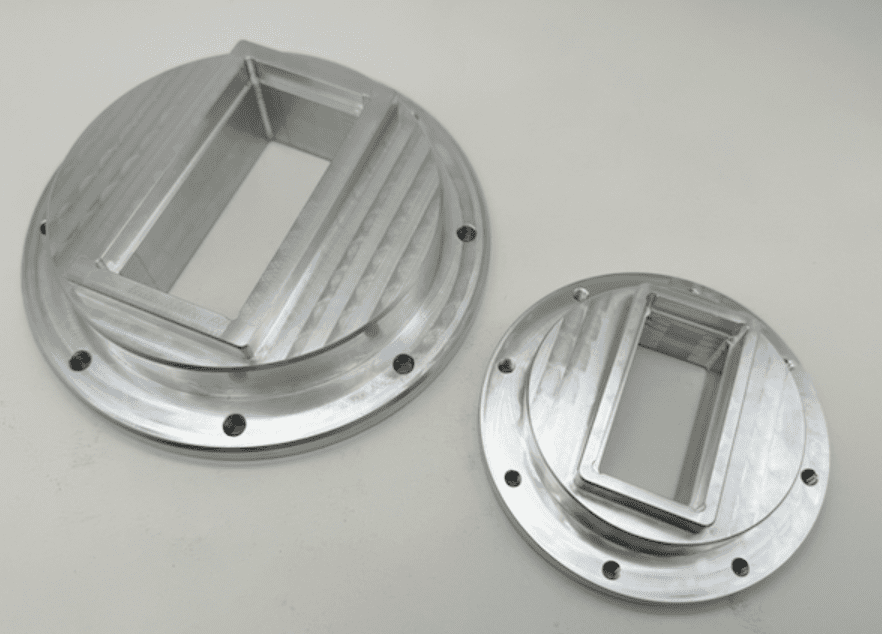
Declaring one material as the "best" for all waveguides is tricky because the ideal choice really hinges on the application. If I'm working with a client on an aerospace project, for example, weight is a huge factor. In that case, aluminum, like 6061-T6, is often the go-to material. It provides good electrical performance and is significantly lighter than copper or brass. For high-power applications or where the lowest possible signal loss is critical, oxygen-free copper (OFC) is superb. Its conductivity is excellent. However, copper is heavier and can be more expensive.
Brass, as I've mentioned, is a fantastic all-rounder. It offers good conductivity, machines well, and has decent corrosion resistance, making it suitable for many general-purpose waveguides and flanges.
If the waveguide is going into a very corrosive environment or needs high structural integrity, then stainless steel, perhaps a 304 or 316 grade, becomes the "best" choice, even though its conductivity is lower.
We might then consider silver plating the interior surfaces of a stainless steel waveguide to improve RF performance. So, "best" is relative. I always advise clients to discuss their operational requirements in detail.
What material is a waveguide made of?
Curious about the typical construction materials for waveguides? Using an unsuitable material leads to inefficiencies. You need to know what's standard and why.
Waveguides are typically made of highly conductive metals such as aluminum, copper, brass, or silver. Sometimes they are made of a base metal and plated with a more conductive one like silver.
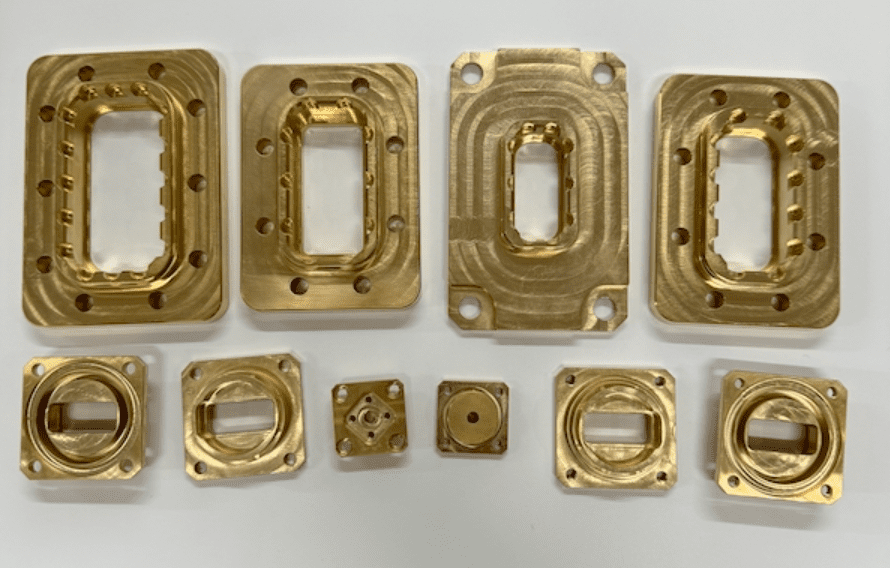
When we talk about what material a waveguide itself is made of, it aligns closely with the flange materials, but with a strong emphasis on electrical properties. The primary job of a waveguide is to guide electromagnetic waves with minimal loss. This means high electrical conductivity is key. That's why you see materials like:
-
Copper: Often Oxygen-Free High Conductivity (OFHC) copper. It offers excellent conductivity. It's great for high-frequency, high-power applications where minimizing loss is critical.
-
Aluminum: Very common due to its good conductivity, light weight, and lower cost. Alloys like 6061 are frequently used. It's easier to machine than copper too.
-
Brass: An alloy of copper and zinc, it's a good compromise. It has good conductivity (though less than pure copper), excellent machinability, and better corrosion resistance than copper in some situations. It's very common for flanges and also for complete waveguide sections.
-
Silver: While making a whole waveguide from solid silver is usually too expensive, silver plating is common. A base material like aluminum or brass might be plated with a thin layer of silver to get the benefit of silver's superior conductivity on the critical internal surfaces.
Less commonly, for specialized applications, you might see other materials or even dielectric waveguides, but for most metal pipe waveguides, these are the main players. The choice really comes down to balancing electrical performance, mechanical properties, environmental resistance, weight, and, of course, cost. At Worthy, we help customers navigate these choices for their custom CNC machined parts, ensuring the material fits the function perfectly.
Conclusion
In summary, aluminum, brass, and stainless steel are top choices for waveguide flanges, each offering unique benefits for different applications. Choose wisely based on your specific needs.
If you're looking for expert 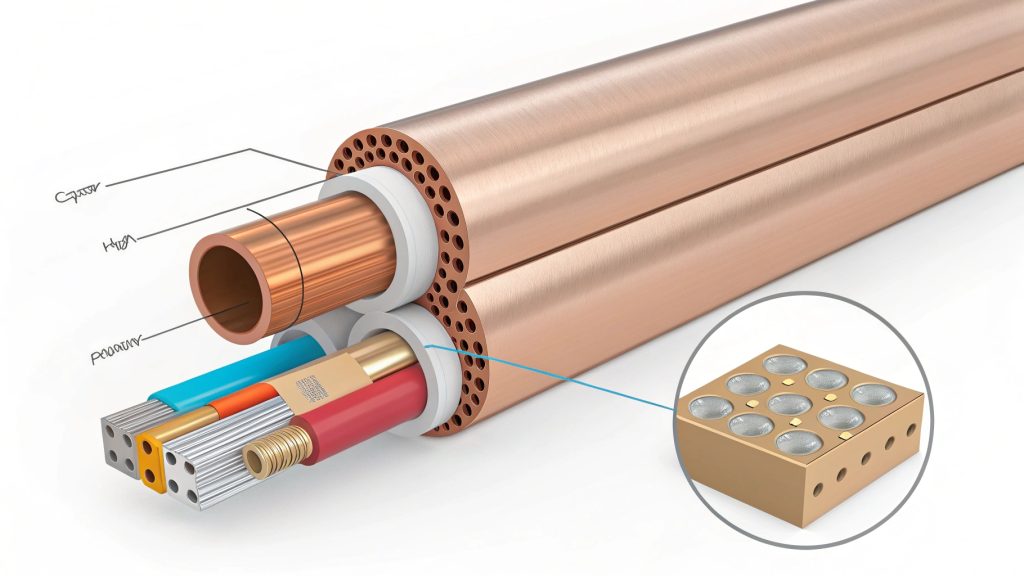 https://www.worthyhardware.com/cnc-machining/ for your waveguide flanges or other custom parts, we at Worthy Hardware can help. With our extensive experience, wide range of materials like aluminum, brass, and stainless steel, and commitment to quality (100% inspection, tight tolerances down to 0.001mm), we can deliver precisely what you need. My name is Sandra Gao, and you can reach me at [email protected] or visit our website at www.worthyhardware.com. We serve B2B clients globally, from prototypes to mass production, and our engineers are ready to help optimize your designs.