
How To Reduce Cost In CNC Turning Production?
Are high production costs eating into your profits? This makes your products less competitive. But you can lower these expenses with a few smart changes to your process.
To reduce costs in CNC turning, you should optimize the part's design by avoiding sharp corners and thin walls, widening tolerances, selecting the right materials and standard tooling, and optimizing machining parameters to reduce cycle times and waste. These steps dramatically lower expenses.
Cutting costs can feel complicated, but it really comes down to making smart choices from design to production. If you don't know where to start, you might be losing money without realizing it. Let's break down the key areas where you can find real savings.
How to reduce CNC machining cost?
Feeling like your overall machining costs are out of control? Hidden expenses can pile up, giving you a surprise on the final invoice. Let's focus on the biggest cost drivers.
The best way to reduce CNC machining cost is to simplify your part design for manufacturability, choose cost-effective materials, and use standard features and tolerances. Each of these decisions directly impacts machine time, labor, and material expenses, which are the main cost factors.
Reducing your total machining cost starts long before the machine is turned on. It begins with the design itself. A part that is easy to make will always be cheaper than one that is complex.
Optimize Your Design
The easiest way to save money is to simplify your part's geometry. For example, sharp internal corners require special, slow processes. Adding a small radius to those corners allows us to use a standard tool at a faster speed. The same is true for very thin walls, which are difficult to machine without breaking them. Also, ask yourself if every feature needs an extremely tight tolerance. Looser tolerances, where possible, reduce machine time and the number of rejected parts. Every small design tweak that makes manufacturing easier will cut your final cost.
Choose the Right Material
The material you choose has a huge impact on the price. Some materials are just harder to cut than others. Softer metals like Aluminum 6061 machine very quickly, while harder materials like Stainless Steel or Titanium take much longer and cause more tool wear. This increases both labor time and tooling costs. You must balance the material properties you need with how easy it is to machine.
| Material | Relative Machinability | Key Benefit |
|---|---|---|
| Aluminum 6061 | Very High | Fast, low-cost machining |
| Steel 1018 | Good | Strong and affordable |
| Stainless Steel 304 | Moderate | Corrosion resistant |
| Delrin (Acetal) | Very High | Excellent for plastic parts |
How to reduce tooling cost?
Tools are expensive and they wear out. Constantly buying new cutters and inserts adds up quickly and can even cause delays in production. Smart tool management can slash these costs.
Reduce tooling costs by designing parts that use standard tools instead of custom ones. Also, you can optimize cutting parameters like speeds and feeds to extend the life of each tool and prevent it from breaking prematurely during production.
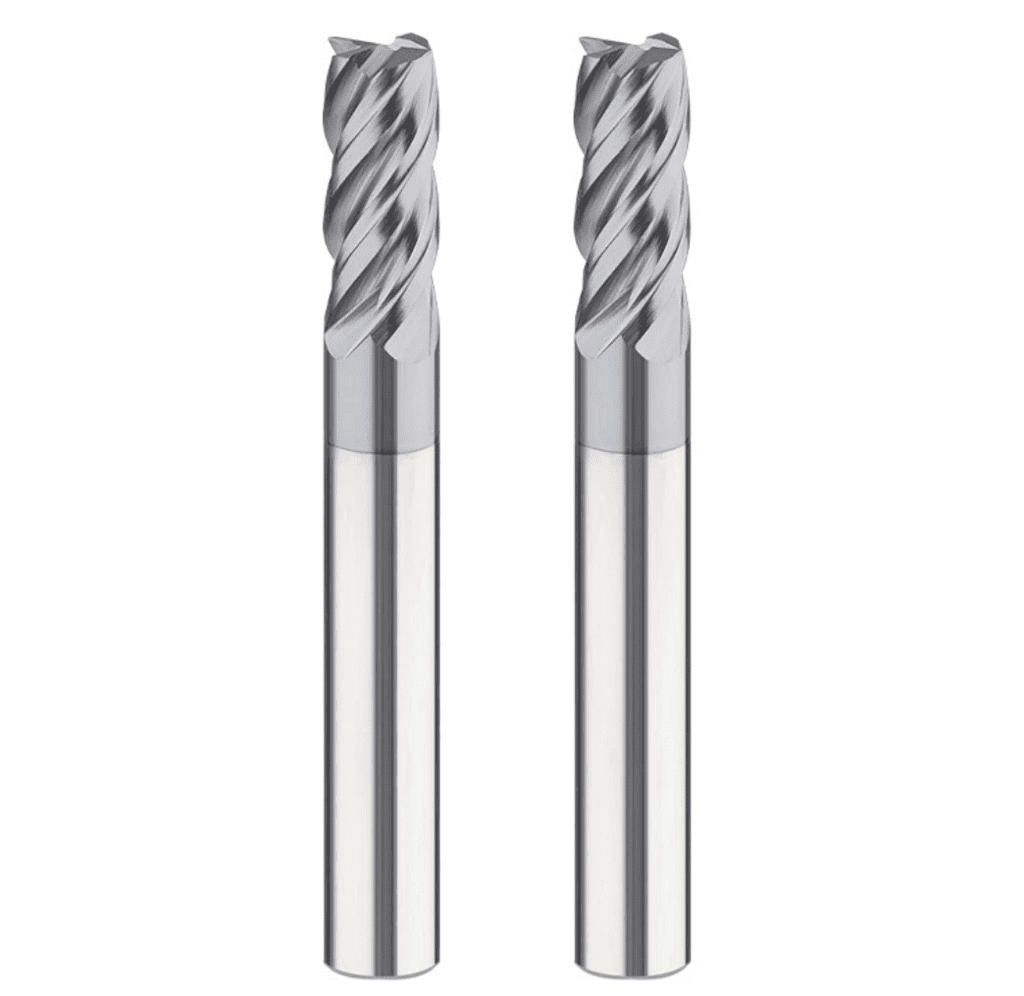
Your choice of cutting tools and how you use them directly affects your budget. Custom tools are a major expense that can often be avoided with small design changes. Making your tools last longer is another simple way to save.
Stick with Standard Tools
Whenever you can, design your parts to be made with standard-sized drills, end mills, and inserts. Custom tools cost a lot more and have long lead times. If your design requires a special hole size or a unique feature, it forces us to order a custom tool just for your job. For example, if you can use a standard 0.5-inch hole instead of a 0.51-inch hole, you avoid this extra cost and delay. This simple change allows us to use the tools we already have in our shop.
Optimize Feeds and Speeds
Every tool has an ideal speed and feed rate for a specific material. Think of it like driving a car. If you push the engine too hard, it will wear out faster. It’s the same with cutting tools. Running a tool too fast can burn it up, and running it too slow is inefficient. We find the "sweet spot" for each operation to make the tool last as long as possible while still cutting efficiently. This reduces how often we need to replace tools and keeps your production running smoothly.
How to calculate CNC machining cost per hour?
If you don't know your true machining cost, you can't control it. Calculating your hourly rate seems complex, but it's essential for getting an accurate price for your parts.
To calculate CNC machining cost per hour, add up all your direct and indirect costs for a period (like a month), including machine depreciation, labor, tooling, and overhead. Then, divide that total cost by the number of production hours in that same period.
Understanding how we arrive at our hourly rate helps you see where your money is going. It’s not just about the person running the machine. Many factors contribute to the final cost. Breaking it down makes it easier to see how design changes can lead to big savings.
Key Cost Components
Several factors go into the hourly rate for a CNC machine.
- Machine Cost & Depreciation: CNC machines are a big investment. Part of the hourly rate goes toward paying for the machine itself over its useful life.
- Labor: This is the wage of the skilled machinist who sets up the job, runs the machine, and inspects the parts.
- Tooling & Maintenance: This covers the cost of cutting tools that wear out, as well as routine machine maintenance to keep everything running accurately.
- Overhead: This includes everything else needed to run the workshop, like electricity, rent for the building, software licenses, and administrative staff salaries.
By adding all these costs together and dividing by the hours a machine is actually cutting parts, we get a clear hourly rate. This is why reducing machine time is the most effective way to lower your part cost.
How to reduce cycle time in CNC turning?
Does it feel like your parts are taking too long to produce? Long cycle times mean higher labor costs and less capacity to make more parts. Let's find ways to speed things up.
You can reduce cycle time in CNC turning by optimizing the toolpath to eliminate wasted motion, using tools that can remove material faster, and increasing the cutting speeds and feeds. Also, ensure your workholding is secure to allow for more aggressive machining.
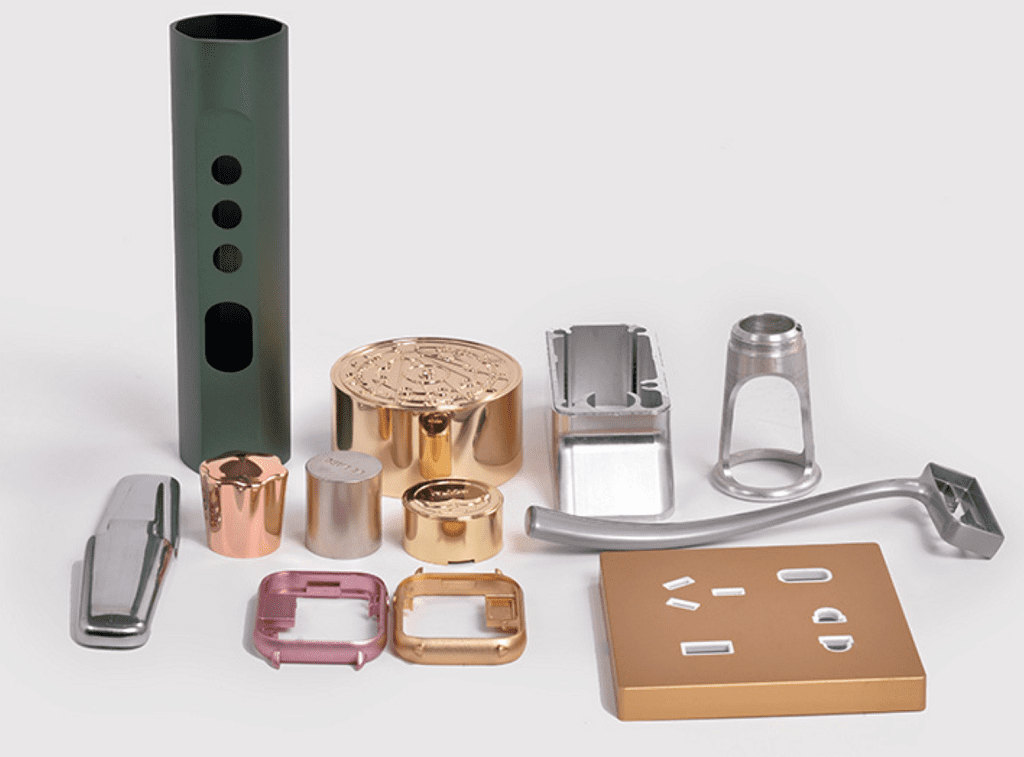
Cycle time is the total time it takes to produce one part, from loading the raw material to unloading the finished piece. The shorter the cycle time, the lower the cost per part. It's a direct measure of efficiency.
Optimize Your CAM Toolpaths
The path the cutting tool takes is determined by software. A simple toolpath might be inefficient, with the tool making a lot of "air cuts" where it isn't removing material. We can program more advanced toolpaths, like high-speed machining (HSM), that create smooth, efficient movements. This keeps the tool engaged with the material more consistently, cutting down on wasted motion and significantly reducing the overall time it takes to machine the part.
Use the Right Cutting Strategy
There are many ways to machine a feature, and some are much faster than others. For example, instead of using a small tool to slowly carve out a large pocket, we can use a larger, more robust tool to quickly "rough out" most of the material first. Then, we can come back with a smaller tool to finish the fine details. This two-step process is often much faster than doing the entire job with one tool. Choosing the most effective cutting strategy for each feature is key to minimizing cycle time.
Conclusion
To lower your CNC turning costs, focus on smart design, efficient materials, and optimized processes. These simple changes will reduce waste, cut production time, and save you money.