
What Is The Difference Between Polyamide And Nylon In CNC Machining?
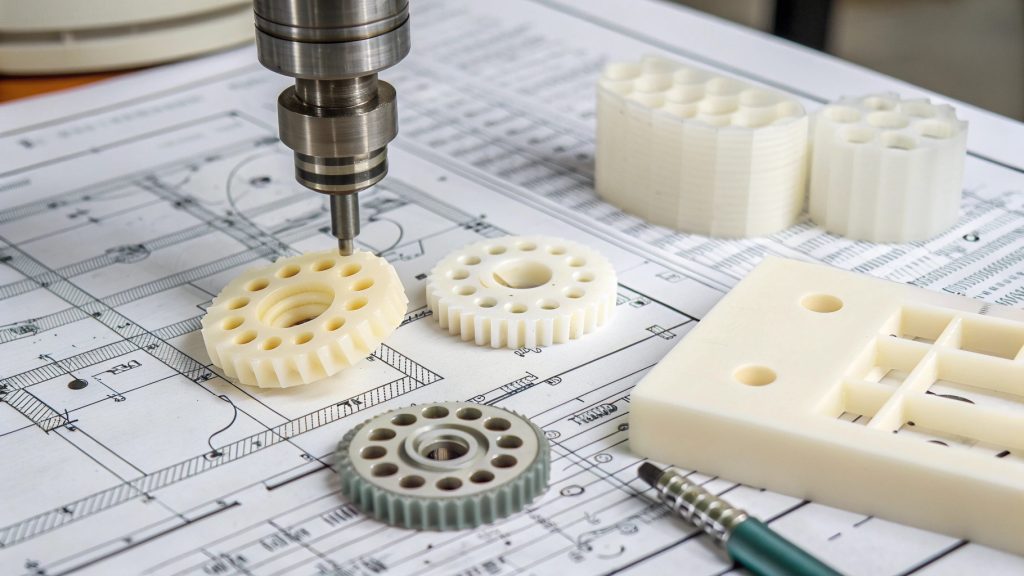
Struggling to pick the right material? The terms polyamide and nylon often cause confusion, which can lead to costly mistakes in your CNC machining project. Let's clear this up.
Nylon is a specific type of synthetic polyamide. Think of polyamide as the family name and nylon as one of the well-known children in that family. In CNC machining, the nylons you commonly see are types like PA 66 or PA 6.
When you are sourcing parts, getting the material right is the first step. A simple mix-up in terms can completely change the performance of your final product. I've seen it happen, and it's an expensive lesson to learn. That's why I want to break down these terms for you, so you can order with confidence and get exactly what you need for your project. Let's dive into the details so you can avoid these common pitfalls.
What is the difference between nylon and polyamide?
Confused by material spec sheets? You see "polyamide" and "nylon" used and wonder if they are the same. This uncertainty can make you hesitate when choosing a material.
The difference is simple. "Polyamide" is the name for a large class of polymers, both natural and man-made. "Nylon" is the brand name for a specific type of synthetic polyamide. So, all nylons are polyamides, but not all polyamides are nylons.
Let me explain this a little more. Polyamides are polymers linked together by amide bonds. This family of materials is huge. It includes natural materials like wool and silk. It also includes many synthetic materials made in a lab. In the 1930s, the company DuPont created a new synthetic polyamide and called it "nylon." This material became incredibly popular. Now, when people in the CNC machining industry talk about nylon, they are usually talking about specific types like Nylon 66 or Nylon 6. These are the workhorses we machine into gears, bushings, and other durable parts. So, if your drawing calls for "polyamide," it's a good idea to ask for more details to know exactly which type is needed. I always double-check with my customers to make sure we are on the same page.
| Feature | Polyamide | Nylon |
|---|---|---|
| Definition | A broad class of polymers with amide bonds. | A specific type of synthetic polyamide. |
| Includes | Natural (wool, silk) and synthetic types. | Only synthetic types (e.g., Nylon 6, Nylon 66). |
| Common Use | A general chemical classification. | A common material for CNC machined parts. |
What is the difference between nylon and polyamide bags?
Looking for a durable bag? You see some labeled "nylon" and others "polyamide" and you're not sure which is tougher. Making the wrong choice means you might get a weaker bag.
For products like bags, the terms "nylon" and "polyamide" are often used to mean the same thing. A bag labeled "nylon" is made from synthetic polyamide. A "polyamide" bag is almost always the same material, just using the technical chemical name.
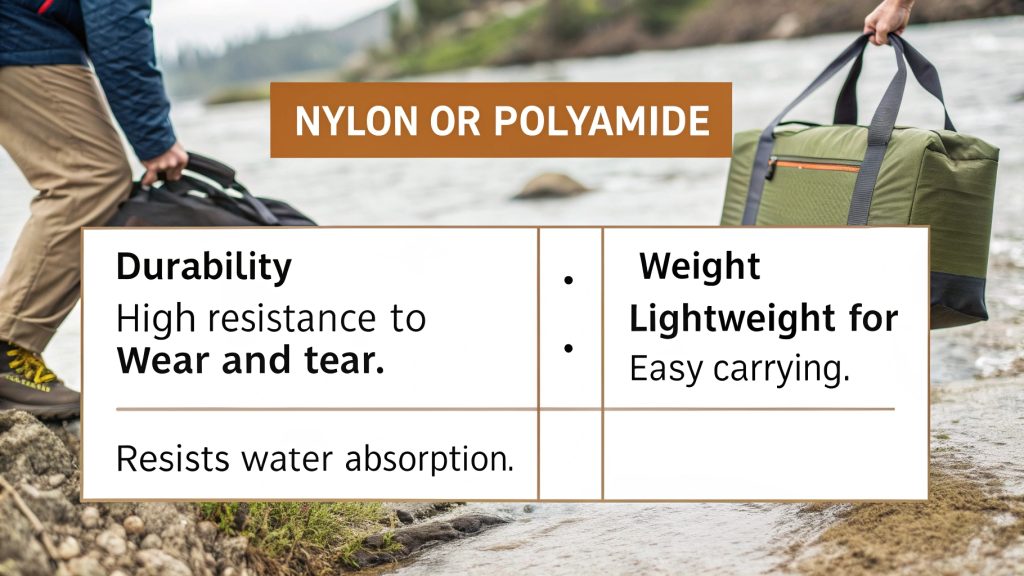
When you're buying a product like a backpack or travel gear, the label might say "100% Polyamide." In another store, a similar bag might say "100% Nylon." In almost every case, they are talking about the exact same material. Manufacturers use nylon for bags because it has great properties. It's strong, resists tearing, handles rubbing and scraping well, and it's lightweight. It also has good water resistance, which is a big plus for outdoor and travel gear. The reason for the different names is just marketing or regional preference. Some brands prefer the more technical term "polyamide," while others use "nylon" because it's a name everyone knows. As a customer, you can be confident that both will give you the durability you expect from a high-quality synthetic bag.
| Bag Feature | Nylon / Polyamide |
| :--- | :--- |
| Durability | High resistance to wear and tear. |
| Weight | Lightweight for easy carrying. |
| Water Resistance | Resists water absorption. |
| Common Use | Backpacks, luggage, outdoor gear. |
Is polyimide the same as nylon?
In engineering, using the wrong material can cause total failure. You might see the word "polyimide" and think it's just a typo for "polyamide" (nylon). This is a dangerous mistake.
No, polyimide is not the same as nylon. It is a completely different, high-performance polymer. Polyimides have much higher heat resistance and chemical resistance than polyamides (nylons). They are used for very demanding applications where nylon would fail.
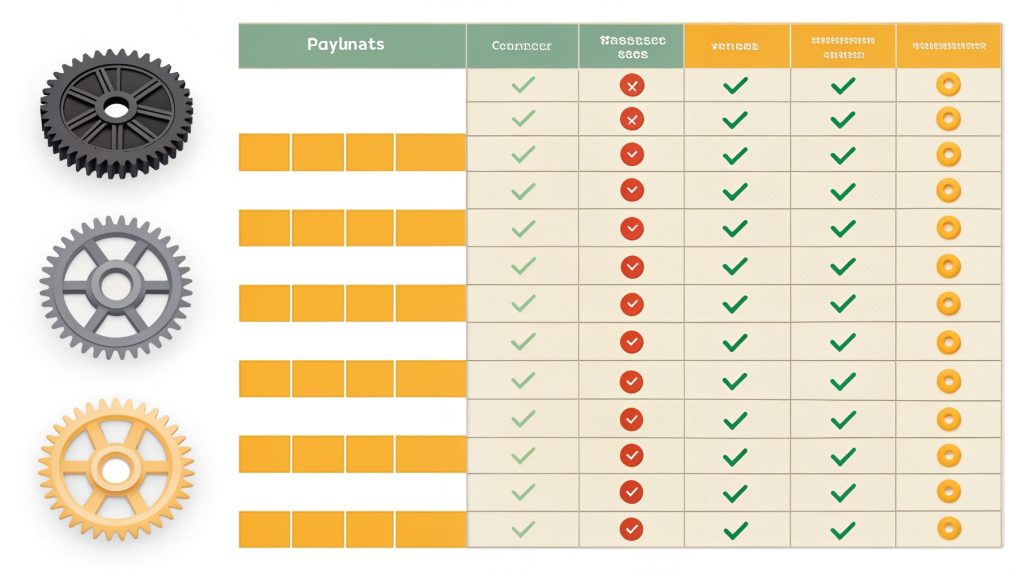
This is a critical difference for anyone in engineering or manufacturing. While both are polymers, their chemical makeup is different. Nylon is a polyamide. Polyimide has a different chemical structure, which gives it incredible strength at high temperatures. We use nylon for things like custom gears or electronic housings. It's a great, tough material for everyday applications. But for something in an aerospace application or a high-temperature industrial sensor, nylon would melt. That's where polyimide comes in. It can handle extreme heat and harsh chemicals. Of course, this high performance comes at a much higher cost. I once had a client who almost specified nylon for a part that sat next to an engine. We caught it and switched to a polyimide. That small change saved them from a major product failure.
| Property | Polyamide (Nylon) | Polyimide |
|---|---|---|
| Chemical Family | Polyamide | Polyimide |
| Heat Resistance | Good (up to ~150°C) | Excellent (up to >300°C) |
| Cost | Low to Moderate | Very High |
| Common Use | Gears, textiles, consumer parts. | Aerospace, electronics, high-temp insulation. |
What is the difference between polymer and nylon?
You hear the word "polymer" used a lot, but what does it mean? It sounds complex, and you might wonder how it relates to a specific material like nylon.
The relationship is simple: "Polymer" is the huge, general category of materials. Nylon is just one specific type of polymer. It's like saying "metal" versus "aluminum." One is the category, and the other is a specific example from that category.
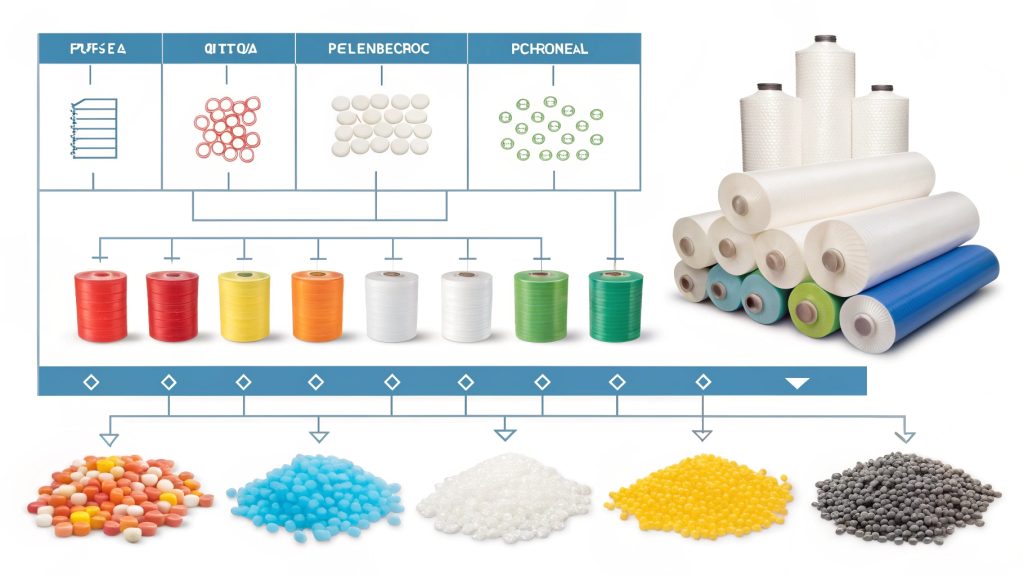
Think of it like this. "Polymer" is the big umbrella term for any material made of long, repeating chains of molecules. This includes thousands of different materials. Plastics are polymers. The rubber in your tires is a polymer. Even the DNA in your body is a polymer. So, when we talk about polymers in manufacturing, we are talking about a massive group of materials. Nylon is just one member of this group. It belongs to a smaller family called polyamides, and the polyamides are one branch of the giant polymer tree. So, all nylons are polymers, but not all polymers are nylon. Other common polymers we machine at my company, Worthy, include ABS, Polycarbonate (PC), and PEEK. Each has its own unique properties for different jobs.
Polymer Hierarchy
| Broad Category | Sub-Category | Specific Material Example |
|---|---|---|
| Polymer | Polyamide | Nylon |
| Polymer | Polyolefin | Polyethylene (PE) |
| Polymer | Polycarbonate | PC |
| Polymer | Natural Polymer | Wood |
Conclusion
In short, nylon is a specific synthetic polyamide. Understanding this and other material differences is key to getting your CNC machined parts right. Contact us for your next project.