
Detaild Information about Plastic material Grade, Properities and Application.
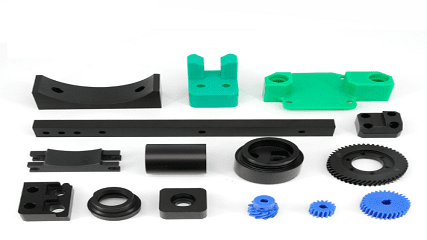
The success of your machined part hinges on one critical decision: material selection. Choose the wrong plastic, and you risk project failure, wasted budgets, and costly delays. This guide cuts through the confusion, offering a clear breakdown of engineering plastics and rubbers—their properties, grades, and ideal applications—so you can choose with confidence for your next project.
What is the Engineering Plastic?
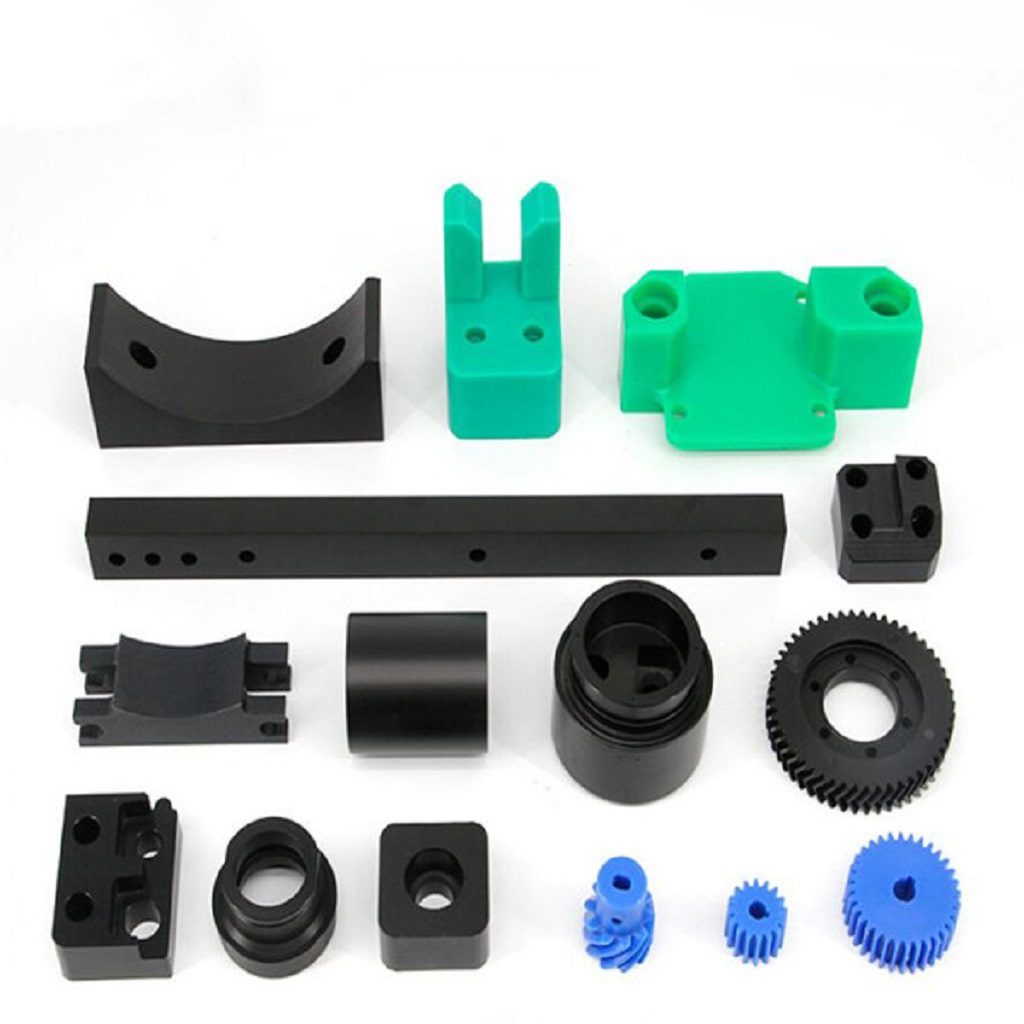
In my experience, engineering plastics are not your average household plastic; think of them as the "special forces" of the polymer world. These materials are specifically designed to challenge or even replace metal in demanding applications, offering superior properties like high strength, heat resistance, or excellent wear characteristics. When a client wants to make a part lighter without compromising on performance, materials like PEEK, Delrin (Acetal), or Nylon are often their top choices, and our extensive machining expertise at Worthy helps them find the perfect balance between cost and function.
What are the Characteristics and Applications of Commonly Used Engineering Plastics?
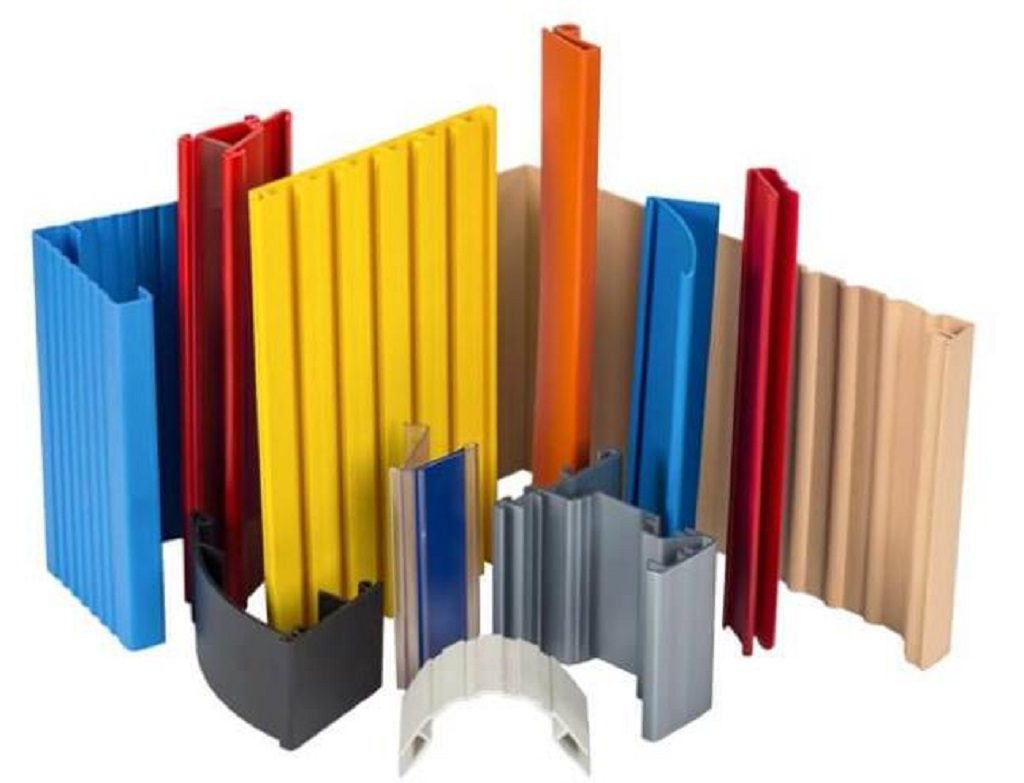
| name | characteristic | Example |
rigid poly(PVC) | It has high strength, excellent chemical stability and dielectric properties, good oil resistance and aging resistance, easy to weld and bond, and low price. The disadvantages are low operating temperature (below 60℃), large linear expansion coefficient, and poor forming and processing. | The products are pipes, rods, plates, welding rods and fittings. In addition to daily use, they are mainly used as wear-resistant structural materials or equipment lining materials (instead of non-ferrous metals, stainless steel and rubber) and electrical insulation materials. |
flexible PVC(PVC) | Compared to rigid PVC, this material demonstrates lower tensile strength, flexural strength, and impact toughness, yet exhibits superior elongation at break. Its soft texture, friction resistance, flexibility, and rubber-like elasticity make it highly adaptable. With low water absorption and excellent formability, it offers excellent cold resistance and electrical properties, along with strong chemical stability. This versatile material can be crafted into vibrant, transparent products. However, its application temperature range is limited to-15°C to +55°C. | It is usually used to make semi-finished products such as tubes, rods, thin plates, films, cold-resistant tubes, acid and alkali-resistant hoses, etc., which are used as insulation sheaths, sleeves, corrosion-resistant materials, packaging materials and daily necessities. |
Low-density polyethylene (HDPE) | It has excellent dielectric properties, impact resistance, good water resistance, high chemical stability, and can be used at a temperature of 80 ~ 100℃. It has good friction performance and cold resistance. The disadvantages are low strength, soft quality, and large molding shrinkage rate. | It can be used as a general cable sheath, corrosion-resistant pipe, valve and pump structural parts, and can also be sprayed on the metal surface as a wear-resistant, friction-reducing and corrosion-resistant coating. |
| High pressure polyethylene (LDPE) | Blown film is used for agricultural seedling raising, industrial packaging and so on | |
Modified acrylic( * 372) | It has excellent light transmittance, allowing over 92% of sunlight and 73.5% of ultraviolet light to pass through. It has high strength, good heat and cold resistance, corrosion resistance, and insulation properties. It has good dimensional stability, easy to form, brittle, and soluble in organic solvents. Its surface hardness is insufficient, and it is easy to scratch. | Can be used as transparent structural parts requiring certain strength |
sulan (PP) | As one of the lightest plastics, it outperforms low-density polyethylene in yield strength, tensile strength, compressive strength, and hardness. It exhibits exceptional rigidity and demonstrates excellent high-temperature (90°C) stress relaxation resistance, with good heat resistance that allows operation above 100°C. Even at 150°C without external forces, it remains non-deformable. While stable in most media except concentrated sulfuric acid and concentrated nitric acid, low-molecular-weight aliphatic hydrocarbons, aromatic hydrocarbons, and chlorinated hydrocarbons can cause softening and swelling. It shows minimal water absorption, though its high-frequency electrical properties are subpar. The material is easy to form but prone to significant shrinkage. At low temperatures, it becomes brittle and has limited wear resistance. | Used as general structural parts, corrosion-resistant chemical equipment parts, and heat-resistant electrical insulation parts |
Modified polystyrene(204) | It has good toughness and impact toughness, good transparency, good chemical stability, water and oil resistance, and easy to form | As a transparent part, such as various lamp covers and electrical parts used in automobiles |
Modified polystyrene(203A) | It has high toughness and impact toughness; good acid and alkali resistance, not resistant to organic solvents, excellent electrical properties, good light transmittance, good coloring, and easy to form | Manufactures general structural components, transparent structural components, instrument parts, oil-immersed multi-point switching switches, battery casings, and other related products. |
Acrylonitrile, butadiene, styrene (ABS) | It has good comprehensive properties, that is, high impact toughness and good mechanical properties, good heat resistance, oil resistance and chemical stability, dimensional stability, easy machining, the surface can be plated with metal, good electrical properties | ABS foam sandwich panels are used to manufacture general structural components, wear-resistant transmission parts, and corrosion-resistant equipment, including car body panels. |
polysulfone (PSU) | It has high mechanical properties, insulation properties and chemical stability, and can be used for a long time below-100 ~ + 150%, and can maintain the mechanical properties and hardness of room temperature at high temperature, with a small creep value, and can be used as friction parts after filling with F-4 | Wear-resistant and force-transmitting parts suitable for high temperature work, such as car speed divider cover, gear and electric insulation parts |
Nylon 66 | Fatigue strength and rigidity are high, heat resistance is good, friction coefficient is low, wear resistance is good, but moisture absorption is high, dimensional stability is not enough | Suitable for medium load, operating temperature ≤ 100 ~ 120℃, and wear-resistant transmission components with no lubrication or minimal lubrication |
Nylon 6 | The fatigue strength, rigidity, and heat resistance are slightly inferior to nylon 66, but it has good elasticity, better shock absorption, and noise reduction capability. The rest is the same as nylon 66. | Wear-resistant and force-transmitting parts designed for operation under light loads, moderate temperatures (up to 80-100%), lubrication-free or minimally lubricated conditions, and low noise requirements. |
Nylon 610 | Strength, rigidity and heat resistance are slightly lower than nylon 66, but moisture absorption is small and wear resistance is good | Similar to nylon 6, it is suitable for precision gears and components operating under conditions of significant humidity fluctuations. |
Nylon 1010 | The strength, rigidity and heat resistance are similar to nylon 6 and 610, the hygroscopicity is lower than nylon 610, the molding process is better, and the wear resistance is also good | A part that works under light load, low temperature, and large humidity change without lubrication or with little lubrication |
Monolithic cast nylon (MC nylon) | It outperforms nylon 6 and nylon 66 in strength, fatigue resistance, heat resistance, and rigidity, while having lower moisture absorption. With excellent wear resistance, it can be directly polymerized and molded in the model, making it ideal for casting large parts. | Parts operating under high loads and temperatures (with maximum operating temperature below 120°C) without lubrication or with minimal lubrication |
Daicel (POM) | It has high tensile strength, impact toughness, rigidity, fatigue strength and creep resistance, good dimensional stability, low water absorption and low friction factor, and good chemical resistance. Its performance is no less than nylon, but the price is lower. The disadvantage is that it is easy to decompose when heated, and it is more difficult to form than nylon. | Suitable for bearings, gears, cams, valves, pipe nuts, pump impellers, chassis components, automotive dashboards, carburetors, housings, containers, rods, and various copper substitute parts for spray equipment. |
Merlon (PC) | This material demonstrates exceptional impact toughness and creep resistance, with outstanding heat and cold resistance. Its embrittlement temperature reaches-100°C, while its flexural and tensile strength rivals nylon. It exhibits high elongation and elastic modulus, though its fatigue strength is lower than nylon 66. The material shows low water absorption, minimal shrinkage, and excellent dimensional stability. Its wear resistance matches nylon, and it possesses some corrosion resistance. However, it requires stringent forming conditions. | Suitable for various gears, worms, racks, cams, bearings, mandrels, pulleys, transmission chains, nuts, washers, pump impellers, lampshades, containers, casings, and cover plates. |
Chlorinated polyether (CPE) | This material exhibits exceptional high-erosion resistance, second only to polytetrafluoroethylene. It can withstand various acids, alkalis, and organic solvents, though it is not resistant to concentrated nitric acid, concentrated hydrogen peroxide, or moist chlorine gas at high temperatures. When exposed to 120°C for extended periods, its brightness, strength, and rigidity remain superior to those of nylon and polyformaldehyde. While slightly more wear-resistant than nylon, it demonstrates low water absorption, minimal shrinkage in finished products, dimensional stability, and high precision. The material can be applied to metal surfaces using flame spraying technology. | Corrosion-resistant equipment and components, designed for use in corrosive environments as precision wear-resistant and force-transmitting parts with low or high speeds and low loads. |
Polyphenol oxide | It has excellent mechanical properties, high rigidity, hardness and toughness. Its impact toughness is comparable to polycarbonate, and its creep resistance is superior to most thermoplastics. It has low water absorption, dimensional stability and high molding accuracy. The maximum recommended operating temperature is 77℃. | Suitable for precision, complex shaped wear-resistant and force transmission parts, instruments, computers and other parts |
Linear polyester (polyethylene terephthalate) (PETP) Linear polyester (polyethylene terephthalate) (PETP) | This material exhibits exceptional mechanical properties, surpassing polyformaldehyde in tensile strength while outperforming various engineering plastics in creep resistance, rigidity, and hardness. It demonstrates low water absorption, minimal linear expansion coefficient, and high dimensional stability. Although its thermodynamic performance is subpar, it matches polyformaldehyde and nylon in wear resistance. The reinforced linear polyester's performance is comparable to thermosetting plastics. | For wear-resistant and load-bearing transmission components, particularly those exposed to organic solvents, reinforced polyester can replace thermosetting plastics such as phenolic and epoxy resins filled with glass fiber. |
polyphenyl ether (PPO) | This material demonstrates excellent mechanical properties at high temperatures, particularly outstanding tensile strength and creep resistance. It exhibits high heat resistance (operating temperature range of-127°C to +120°C for prolonged use), low shrinkage during forming, and strong dimensional stability. While resistant to high-concentration aqueous solutions of inorganic and organic acids, salts, alkalis, and water vapor, it dissolves in chlorinated hydrocarbons and aromatic hydrocarbons, and shows cracking and swelling in acetone, benzyl alcohol, and petroleum. | Suitable for wear-resistant and force-transmitting parts under high temperature working conditions, as well as corrosion-resistant chemical equipment and parts, such as pump impeller, valve, pipeline, etc. It can also replace stainless steel as surgical medical equipment |
Polytetrafluoroethylene (PTFE, F-4) | This material exhibits exceptional chemical stability, remaining unaffected by strong acids, alkalis, or oxidizing agents. It demonstrates outstanding heat and cold resistance, with an operational temperature range of-180°C to 250°C. Its low friction coefficient makes it an excellent self-lubricating material. However, it has limitations including relatively poor mechanical properties, insufficient rigidity, cold flow characteristics, low thermal conductivity, significant thermal expansion, and inadequate wear resistance (which can be improved by adding fillers). The manufacturing process requires pre-press sintering, resulting in higher forming and processing costs. | Primarily used as chemical-resistant and high-temperature sealing components, such as packing, gaskets, expansion rings, valve seats, and valve discs. It also serves as high-temperature pipeline lining for corrosive media, corrosion-resistant linings, containers, bearings, guide rails, oil-free lubricated piston rings, and sealing rings. The dispersed liquid can be applied as coatings or impregnated into porous products. |
filled polytetrafluoroethylene(PTFE) | Polytetrafluoroethylene (PTFE) filled with glass fiber powder, molybdenum disulfide, graphite, cadmium oxide, tungsten sulfide, bronze powder, and lead powder shows significant improvements in load-bearing capacity, rigidity, and P" limit values. | Friction parts such as piston rings used in high temperature or corrosive media |
Polytrichlorotrifluoroethylene (PCTFE, F-3) | In terms of heat resistance, electrical properties, and chemical stability, it ranks second only to F-4. It does not swell or corrode in acidic, alkaline, or saline solutions at 180°C. Its strength, creep resistance, and hardness surpass those of F-4. The long-term operating temperature range is-195°C to +190°C. However, for applications requiring sustained elasticity, the maximum operating temperature should be limited to 120°C. The coating exhibits strong adhesion to metal surfaces, with a tough, wear-resistant, and high-strength surface. | Corrosion-resistant equipment and parts can be coated with suspension on the metal surface for corrosion protection, electrical insulation and moisture protection. |
Perfluoroethylene propylene (FEP, F-46) | Its mechanical, electrical, and chemical properties are essentially identical to those of F-4, but it stands out with exceptional impact toughness. Notably, even notched specimens remain unbroken, making it suitable for long-term use across the-85°C to +205°C temperature range. | Similar to the F-4, this method is used for manufacturing parts that require mass production or complex geometries, replacing the F-4's cold-press sintering process with injection molding. |
phenolic plastic (PF) | This material demonstrates exceptional mechanical properties with high rigidity, low cold flow resistance, and superior heat resistance (above 100°C). Under water lubrication, it exhibits an extremely low friction coefficient (0.01-0.03) and high pH resistance. It also possesses excellent electrical properties and acid/alkali corrosion resistance. The material maintains structural integrity under temperature and humidity variations, is easy to form, and cost-effective. However, it has some drawbacks: brittleness, limited color options, poor lightfastness, low arc resistance, and susceptibility to strong oxidizing acids. | Commonly used are laminated phenolic plastics and powder compacts, available in sheet, pipe, and rod forms. These materials are suitable for sealing components in agricultural submersible pumps, as well as bearings, bushings, pulleys, gears, brake and clutch mechanisms, friction wheels, and electrical insulation parts. |
Amanium (PI) | Withstanding high temperatures and high strength, it can be used for long-term at 260℃. It exhibits excellent wear resistance, stability under high temperature and vacuum conditions, and low volatile matter. It demonstrates good electrical properties and radiation resistance, is insoluble in organic solvents and acid-resistant, but may be damaged by strong alkali, boiling water, or continuous steam exposure. Its main drawbacks include brittleness and notch sensitivity, making it unsuitable for prolonged outdoor use. | Suitable for high-temperature and high-vacuum environments as wear-reducing and self-lubricating components, including high-temperature motors and electrical parts. |
Epoxy resin plastic(EP) | It has high strength, good chemical stability and electrical insulation properties, small molding shrinkage rate and easy molding | Manufacture metal drawing dies, pressing dies, casting dies, various structural parts, and used to repair metal parts and castings |
What are the Characteristics and Applications of Rubber?
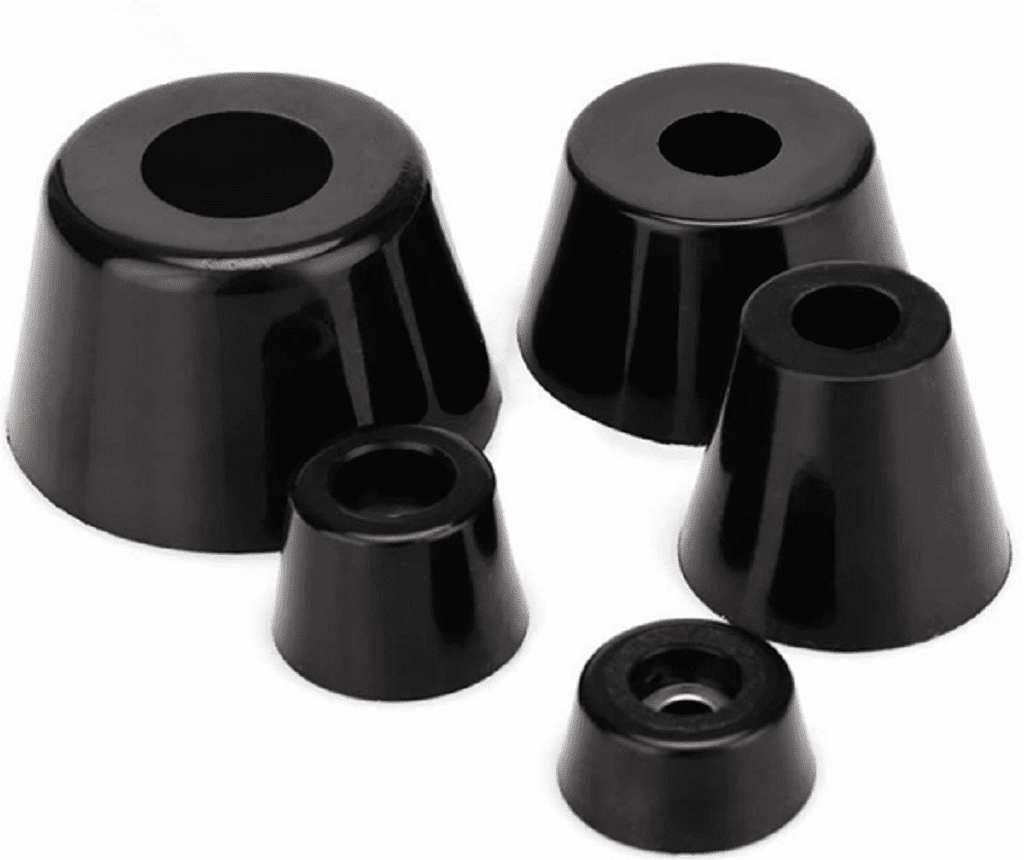
| Type and code | key property | use |
crude rubber (NR) | As a polyisoprene polymer, it has better resilience, tensile strength, elongation, wear resistance, tear resistance and permanent compression deformation than most synthetic rubber, but it is not resistant to oil, and its performance against weather, ozone and oxygen is poor | Operating at-60 to 100°C, ideal for manufacturing wheel hubs, shock absorbers, buffer cords, and sealing components. |
SBR | A butadiene-styrene copolymer with good cold and wear resistance sex,low price, but not oil resistant, poor aging resistance | The operating temperature ranges from-60 to 120°C, suitable for manufacturing.Used as tires and sealing parts |
butadiene rubber(BR) | As a butadiene polymer, it has good cold resistance, wear resistance and resilience, but is not resistant to oil and aging | The operating temperature ranges from-70 to 100°C, making it ideal for manufacturing tires, sealing components, shock absorbers, tapes, and hoses. |
chloroprene rubber (CR) | As a chloroprene polymer, it exhibits excellent tensile strength, elongation, and resilience, with outstanding weather resistance and ozone aging resistance. Its oil resistance ranks second only to nitrile rubber, though it is incompatible with synthetic diester lubricants and phosphate ester hydraulic oils. It demonstrates good adhesion to both metals and textiles. | The operating temperature ranges from-35 to 130°C, suitable for manufacturing sealing rings and other sealing profiles, rubber hoses, coatings, wire insulation layers, adhesive tapes, and adhesive formulations. |
NBR (Nitrile Rubber) | A butadiene-acrylonitrile copolymer with excellent oil, heat, and wear resistance, but susceptible to weathering, ozone aging, and phosphoric acid ester hydraulic oil. | The operating temperature ranges from-55 to 130°C, making it ideal for manufacturing oil-resistant sealing components, diaphragms, rubber hoses, and oil tanks. |
Ethylene Propylene Monomer (EPM)(EPDM) | EPM is an ethylene-propylene copolymer, while EPDM is a diene-based olefin copolymer. Both exhibit excellent weather and ozone resistance, as well as resistance to steam, phosphoric acid ester hydraulic oil, acids, alkalis, rocket propellants, and oxidizers. They also demonstrate superior electrical insulation properties, though they are not compatible with petroleum-based oils. | With a temperature range of-60 to 150°C, this material is ideal for sealing components in phosphate ester hydraulic systems, including rubber hoses, aircraft door/window seals, adhesive tapes, and electrical insulation. |
Butyl rubber (IIR) | An isobutylene-isoprene copolymer with excellent weather, ozone aging, phosphate ester hydraulic oil, acid, alkali, rocket fuel and oxidant resistance, excellent dielectric and insulation properties, and minimal permeability, but not resistant to petroleum-based oils | The operating temperature ranges from-60 to 150°C, making it suitable for manufacturing tire inner tubes, door/window seals, sealing components for phosphate ester hydraulic oil systems, rubber hoses, wires, and insulation layers. |
chlorosulfonated polyethylene rubber(CSM) | Weather and ozone aging resistant, oil resistance increases with the increase of chlorine content, acid and alkali resistant | The operating temperature ranges from-50 to 150°C, suitable for manufacturing adhesive tapes, cable sleeves, gaskets, anti-corrosion coatings, and soft oil tank outer walls. |
Polyurethane rubber (AU, EU) | Polyurethane, with AU being polyester-type and EU being polyether-type, exhibits excellent tensile strength, tear strength, and wear resistance. It is resistant to oil, ozone, and atomic radiation, but should not come into contact with esters, ketones, phosphoric acid ester hydraulic oil, strong acids, alkalis, or steam. | The operating temperature ranges from-60 to 80°C, suitable for manufacturing various sealing rings, energy absorption devices, punching templates, vibration damping devices, flexible couplings, anti-wear coatings, friction power transmission devices, and rubber rollers. |
| Silicone rubber (MQ, MVQ,MPQ、MPVQ) | Polymer siloxane has excellent heat resistance, cold resistance, aging resistance, excellent insulation resistance and dielectric characteristics, good thermal conductivity, but poor strength and tear resistance, not resistant to oil, expensive price | The operating temperature ranges from-70 to 280°C, suitable for manufacturing sealing rings and profiles, oxygen corrugated tubes, diaphragms, shock absorbers, insulating materials, and heat-insulating sponge rubber sheets. |
Fluorosilicone rubber (MFQ) | Polydimethylsiloxane containing fluorinated alkyl groups has excellent oil resistance, chemical resistance, heat resistance, cold resistance and aging resistance, but low strength and tear resistance, and high price | The operating temperature ranges from-65 to 250°C, making it ideal for manufacturing sealing rings and diaphragms for fuel, diester lubricants, and hydraulic oil systems. |
fluorinerubber (FPM) | It has outstanding heat resistance, oil resistance, acid resistance, alkali resistance, aging performance and excellent electrical insulation performance, difficult to burn, low permeability, but poor low temperature performance, expensive price | The operating temperature ranges from-40 to 250°C (up to 300°C for short periods), making it ideal for manufacturing heat-resistant and oil-resistant sealing components, rubber hoses, rubber tapes, and fuel tanks. |
polysulfide rubber (T) | Polysulfide polymer with good oil resistance, weather resistance, low permeability and good electrical insulation | The operating temperature ranges from-50 to 100℃ (up to 130℃ for short periods). It is commonly used as sealing components in fuel systems, rubber hoses, and diaphragms. Liquid rubber is typically used to formulate sealants. |
Chlorinated rubber (CO, ECO) | The homopolymer of chloropropylene oxide (CO) or copolymer of chloropropylene oxide and ethylene oxide (ECO) exhibits oil and ozone resistance, superior heat resistance to nitrile rubber, and low permeability. | Suitable for making sealing rings and membranes |
Conclusion
Understanding the distinct properties of engineering plastics and rubbers is fundamental to designing a functional and cost-effective part. From the rigidity of PEEK to the flexibility of silicone, the right choice ensures optimal performance. When you're ready to turn your design into a reality, Worthy Hardware's experts are here to help.