
What’s Better for CNC Machining: Brass vs. Bronze?

Choosing the right metal can be tough. You want good results without hassle. This choice affects your project's success.
Both brass and bronze are excellent for CNC machining. Brass often machines slightly faster due to its composition, while specific bronze alloys offer superior strength or corrosion resistance, making the "better" choice dependent on application needs.
You're looking for the best material for your CNC machining project. It's a common question I hear. Many factors go into this decision. Let's explore brass and bronze more deeply to help you pick the right one. I've seen many projects succeed with both.
Is bronze better than brass for machining?
Struggling to pick between bronze and brass for easy machining? You need a material that machines well. This choice impacts production time and cost.
Generally, brass has a slight edge in machinability over many common bronze alloys. It produces small, manageable chips and allows for faster cutting speeds, leading to smoother finishes with less tool wear.
When we talk about "better" for machining, we often mean easier and faster. In my 15 years of experience, I've found that standard brass, like C360 (free-cutting brass), is incredibly easy to machine. It's almost a benchmark for machinability. Bronze, on the other hand, is a family of alloys. Some bronzes, particularly those with lead, are also very machinable. However, other bronze types, like aluminum bronze, can be tougher and more challenging.
Key Machinability Factors
| Feature | Brass (e.g., C360) | Bronze (General) |
|---|---|---|
| Chip Formation | Small, broken chips | Can be stringier (alloy dependent) |
| Cutting Speed | Higher | Moderate to High |
| Tool Wear | Lower | Can be higher (alloy dependent) |
| Surface Finish | Excellent | Good to Excellent |
So, if your top priority is purely the ease of machining and speed, brass often wins. But, as I always tell my clients like Mark Chen, who values both quality and competitive pricing, the "better" material also depends on the final application's demands. If a specific bronze offers a property that brass cannot match, then its potentially slightly more demanding machining process is a worthwhile trade-off.
Which one is better, brass or bronze?
Choosing between brass and bronze feels complicated. You want the best overall material for your needs. This decision impacts performance and durability.
Neither brass nor bronze is universally "better"; the best choice depends on the specific application. Brass excels in machinability and cost-effectiveness, while bronze offers superior corrosion resistance and strength in many alloys.
This is a question I get a lot. It's like asking if a hammer is better than a screwdriver. They are both tools, but for different jobs. Brass and bronze are both copper alloys. Brass is primarily copper and zinc. Bronze is primarily copper, usually with tin as the main additive, but also aluminum, manganese, or silicon. These differences in composition give them unique properties. I've helped many customers select the right one by looking closely at their needs.
Property Showdown
Let's break down their general characteristics:
Brass Advantages
Brass is often chosen for its excellent machinability, as we discussed. It's also generally less expensive than bronze. It has good corrosion resistance, though not usually as good as bronze, especially in saltwater environments. Its bright, gold-like appearance is also a plus for decorative applications. We machine many brass parts for plumbing fixtures and musical instruments at Worthy.
Bronze Advantages
Bronze typically offers higher strength and better wear resistance compared to most brasses. Many bronze alloys have exceptional corrosion resistance, particularly against seawater, which is why it's common in marine applications and bearings. Some bronzes also have low-friction properties.
To decide which is "better" for your project, consider what properties are most critical. Is it cost? Machinability? Strength? Corrosion resistance? Answering these helps narrow it down. For example, a client needing high-volume, cost-sensitive parts with good aesthetics might prefer brass. Another needing robust, corrosion-resistant bearings for industrial machinery would lean towards bronze.
What lasts longer, brass or bronze?
Worried about your parts wearing out too soon? You need a material with good longevity. The lifespan of your component is crucial.
Generally, bronze tends to last longer than brass, especially in demanding environments. This is due to bronze's superior corrosion resistance and often higher wear resistance and strength depending on the specific alloy.
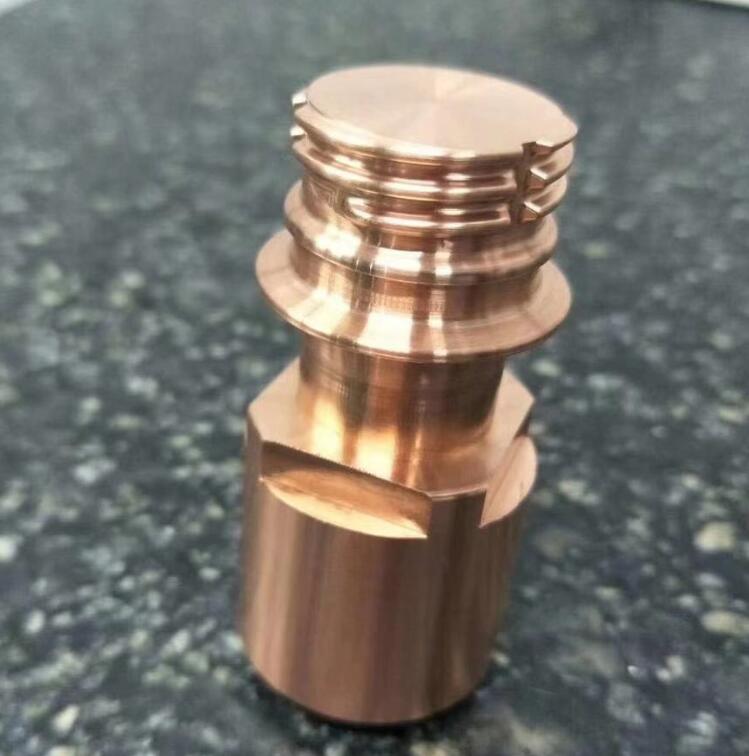
Durability is a key concern for many of my clients, especially those in industrial or marine sectors. When we talk about what "lasts longer," we're usually considering a few things: how well it resists corrosion, how it handles wear and tear, and its overall strength. From what I've seen over the years supplying custom CNC parts, bronze often comes out ahead in these areas.
Comparing Durability Aspects
Corrosion Resistance
Bronze, particularly tin bronzes and aluminum bronzes, generally exhibits superior resistance to corrosion, especially from saltwater and many chemicals, compared to most brass alloys. Brass can be susceptible to dezincification in certain corrosive environments, where zinc is leached from the alloy, weakening it. This is a critical factor for parts exposed to harsh conditions.
Wear Resistance and Strength
Many bronze alloys are harder and stronger than typical brass alloys. This makes them more resistant to wear, abrasion, and deformation under load. Phosphor bronzes, for instance, are known for their toughness, strength, and good fatigue resistance, making them ideal for springs, bearings, and gears. While some high-strength brasses exist, bronze generally offers a wider range of robust options.
Environmental Factors
The specific environment plays a huge role. In a dry, indoor, non-corrosive setting, a brass part might last just as long as a bronze one for certain applications. However, if there's moisture, chemicals, or significant mechanical stress, bronze's inherent properties often give it the advantage in longevity. I always advise customers to detail their operating conditions so we can select a material that truly endures.
Is brass hard to CNC?
Concerned that brass might be difficult to machine? You want a smooth, efficient CNC process. Material choice can greatly affect machining ease.
No, brass is generally not hard to CNC. In fact, free-cutting brass (like C36000) is one of the easiest metals to machine, known for excellent machinability, good surface finish, and low tool wear.
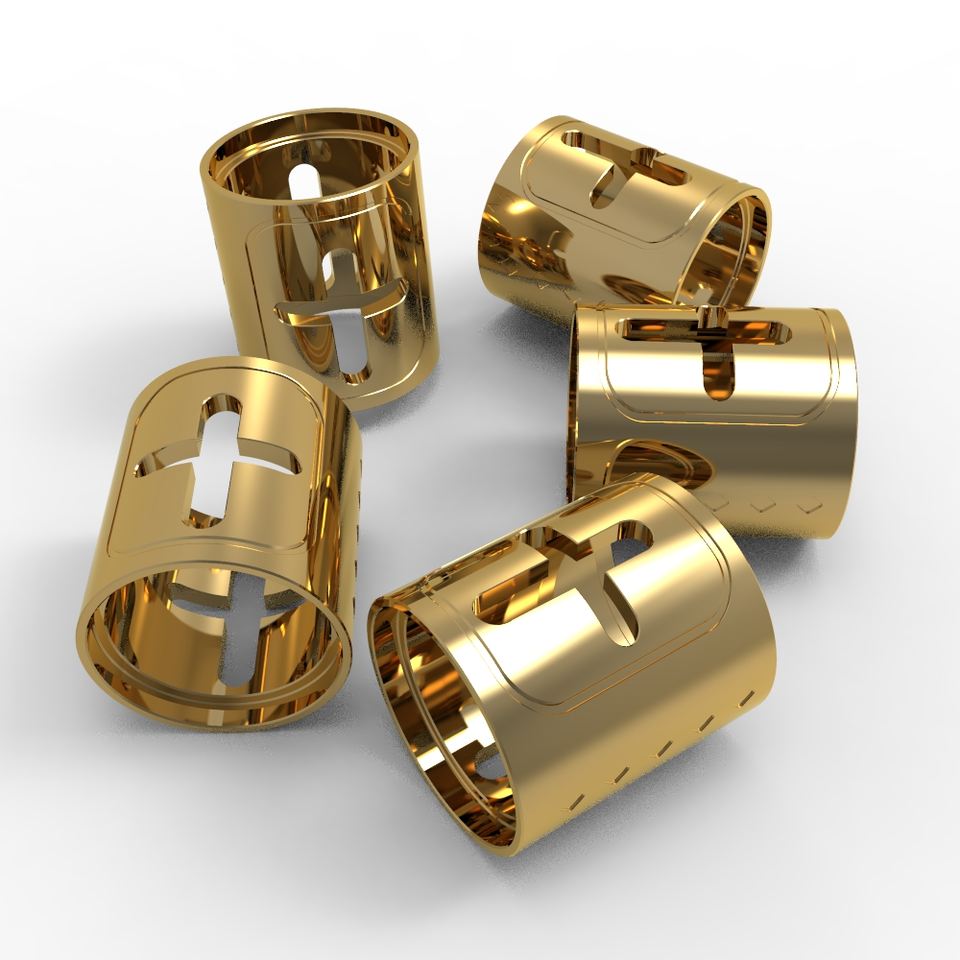
This is a common worry for those new to machining brass, but I can assure you, it's usually a pleasure to work with. At Worthy, we machine a lot of brass parts, and it's often a preferred material for its ease of processing. Its machinability rating is typically very high, often considered the standard (100%) against which other metals are compared.
Understanding Brass Machinability
Why is Brass Easy to Machine?
The excellent machinability of brass, especially alloys like C360 (UNS C36000), comes from its composition. The addition of lead (in small amounts in free-cutting brass) acts as an internal lubricant and helps in forming small, broken chips. These small chips are easily cleared from the cutting zone, preventing build-up and reducing friction. This leads to:
- Lower cutting forces: Less power is required from the CNC machine.
- Faster cutting speeds: Parts can be produced more quickly.
- Longer tool life: Cutting tools don't wear out as fast.
- Excellent surface finish: Often, minimal secondary finishing is needed.
Considerations for Machining Brass
While generally easy, there are still a few things to keep in mind:
-
Alloy Type: Not all brass alloys are created equal. High-zinc brasses without lead can be gummier and produce stringier chips. Naval brass, while still machinable, might be slightly tougher than C360.
-
Tooling: Standard high-speed steel (HSS) or carbide tools work very well. Sharp tools are always recommended for the best finish.
-
Heat Dissipation: Brass conducts heat well. While this is generally good, very high speeds and feeds on small parts can sometimes lead to heat build-up if not managed with coolant.
From my experience, any challenges with machining brass are usually minor and easily overcome with proper setup and understanding of the specific alloy. It's a go-to material for many applications precisely because it's so cooperative on the CNC machine.
Conclusion
Both brass and bronze are great for CNC machining. Your specific project needs will determine the best choice between them for optimal results.