
Which Surface Finishing Method Is Best For Your CNC Machined Parts?
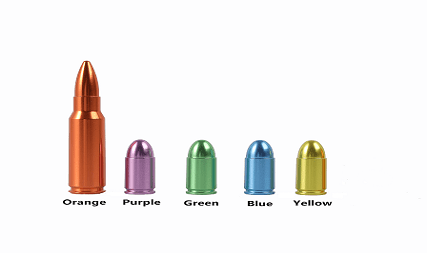
Choosing a surface finish can be tricky. You need your CNC parts to look good and work right, but how do you pick the best treatment?
The "best" surface finish depends entirely on your part's material, its final use, the look you want, and your budget. Common options include anodizing for aluminum, plating for specific metal layers, powder coating for durability, and polishing for shine.
Understanding the different types of finishes is the first step. Once you know the basics, you can start matching the right process to your specific needs. Let's break down what surface finish really means and explore the options available.
What is the surface finish of CNC machining?
Confused about what "surface finish" actually means? This confusion can lead to choosing the wrong process, costing you time and money later on. Let's clear it up.
Surface finish describes the texture, appearance, and feel of a part's surface after it's been machined or treated. It affects how the part looks, resists wear, prevents corrosion, and interacts with other components.
Think about the surface of a part right after it comes off a CNC machine. This is called the "as-machined" finish. It usually has tiny marks left by the cutting tool. At Worthy Hardware, our standard as-machined finish is 125 Ra (Roughness average) or better, which is a good starting point for many applications. However, this might not be smooth enough or protective enough for the final product. That's where secondary surface finishing processes come in. These treatments modify the initial surface to achieve specific properties. Why does it matter? A rough surface might wear out faster. A part exposed to moisture needs corrosion protection. A consumer product probably needs to look appealing. The finish directly impacts these functional and aesthetic requirements. Understanding the base finish helps you decide if and what kind of extra treatment is needed.
| Feature Affected | Why Surface Finish Matters |
|---|---|
| Appearance | Determines shine, color, and overall look. |
| Feel | Affects the tactile quality (smooth, rough). |
| Wear | Smoother finishes often reduce friction and wear. |
| Corrosion | Some finishes provide a protective barrier. |
| Adhesion | Surface texture impacts paint or coating grip. |
Which technique gives better surface finish?
So many finishing options exist! Picking the wrong one wastes time, money, and might not even give you the result you need. Let's look at popular choices.
"Better" truly depends on your goal. Polishing creates the smoothest, shiniest surface. Anodizing offers excellent corrosion resistance and color options for aluminum. Plating adds specific metal properties. Powder coating gives a tough, durable, colorful layer.
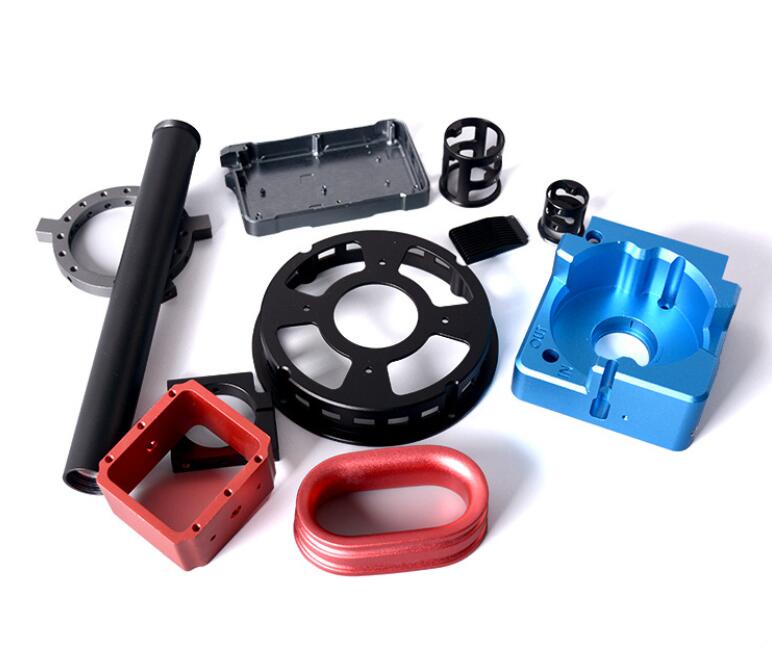
Let's dive deeper into some common methods we handle here at Worthy Hardware. We offer over 50 different surface finishing options, so we've seen what works best for various needs.
-
Polishing: This uses abrasives to smooth the surface, removing peaks and valleys. It results in a very smooth, reflective finish. It's great for aesthetics but offers little added protection.
-
Anodizing: This electrochemical process is primarily for aluminum. It creates a hard, durable oxide layer that significantly improves corrosion and wear resistance. You can also dye it in various colors. It slightly changes dimensions, which needs consideration for tight tolerance parts.
-
Plating (e.g., Nickel, Chrome, Zinc): This deposits a thin layer of another metal onto the part. You might choose zinc plating for corrosion resistance on steel, or nickel plating for wear resistance and appearance. Chrome plating is known for hardness and shine.
-
Powder Coating: Dry powder paint is applied electrostatically and then cured with heat. It creates a thick, durable, and uniform coating that's very resistant to scratches, chemicals, and weather. It comes in many colors and textures.
Here’s a quick comparison:
| Method | Primary Benefit | Best For | Considerations |
|---|---|---|---|
| Polishing | Smoothness, Shine | Aesthetic parts, reducing friction | Little added protection |
| Anodizing | Corrosion/Wear Resistance (Al) Color | Aluminum parts needing durability & color | Only for specific metals (Al, Ti) |
| Plating | Specific metal properties, Corrosion | Adding functionality, protection, appearance | Can be complex, adhesion matters |
| Powder Coating | Durability, Toughness, Color | Outdoor use, harsh environments, aesthetics | Thicker coating, heat required |
Choosing involves balancing the material, intended environment, desired look, required protection (wear, corrosion), and cost. For someone like Mark Chen, who needs good quality at a competitive price, options like anodizing or zinc plating often provide a great balance.
What is the surface finish of the machining process?
Ever received parts with visible tool marks? You might wonder if that's the expected result or if something went wrong during manufacturing. Let's talk about the initial finish.
The machining process itself leaves a specific surface texture, known as the "as-machined" finish. It typically shows the path of the cutting tool. Its quality depends heavily on the machining method, tools used, speed, feed rate, and the material being cut.
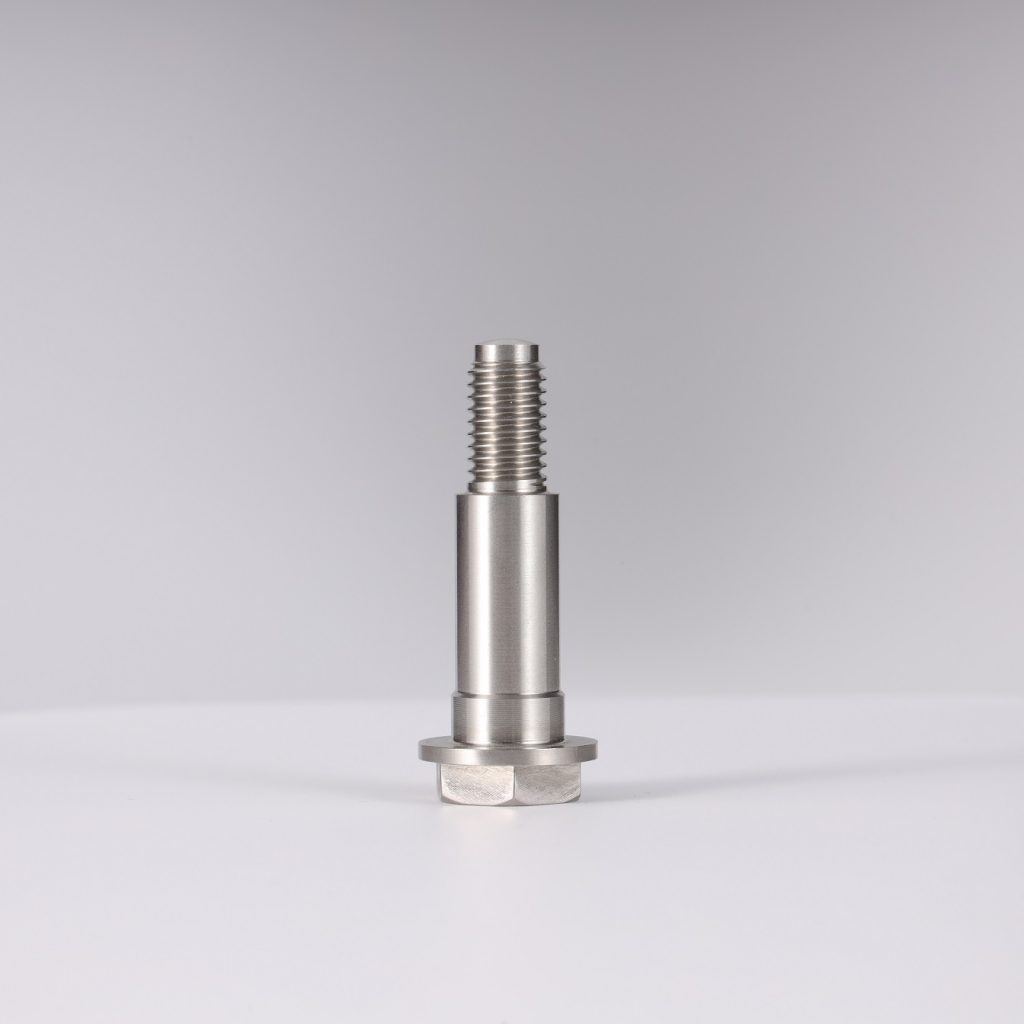
When we machine a part using CNC milling or turning, the cutting tool removes material, leaving behind a characteristic pattern. This is the "as-machined" finish. As I mentioned, our standard at Worthy Hardware is 125 Ra microinches or better. This is a common industry standard suitable for many functional parts where aesthetics aren't the top priority. However, several factors influence this initial finish before any secondary treatment:
-
Machining Process: Milling, turning, grinding produce different surface textures. Grinding typically results in the finest finish.
-
Cutting Tool: The tool's material, geometry (shape), and sharpness are critical. A sharp, correctly shaped tool leaves a cleaner cut.
-
Cutting Parameters: Speed (how fast the tool spins or part rotates), feed rate (how fast the tool moves across the part), and depth of cut all impact the final texture. Slower feeds generally produce smoother finishes.
-
Material Properties: Softer materials might be prone to smearing, while harder materials can be challenging to cut smoothly.
-
Machine Condition: A rigid, well-maintained machine minimizes vibrations, leading to a better finish.
-
Coolant/Lubricant: Proper use reduces heat and friction, improving surface quality.
Understanding the as-machined finish is important because it's the foundation for any subsequent finishing operations. Sometimes, this finish is perfectly acceptable, saving cost and time. Other times, it's just the first step towards achieving the final desired surface.
How to get better surface finish in machining?
Need a part that's smooth right off the CNC machine? Improving the as-machined finish can sometimes eliminate the need for secondary, potentially costly, finishing steps.
Achieve a better as-machined surface finish by using very sharp cutting tools, optimizing cutting speeds and feeds (often slower feeds help), ensuring good lubrication/cooling, and using a rigid, precise machine setup. Material choice also significantly impacts the achievable finish.
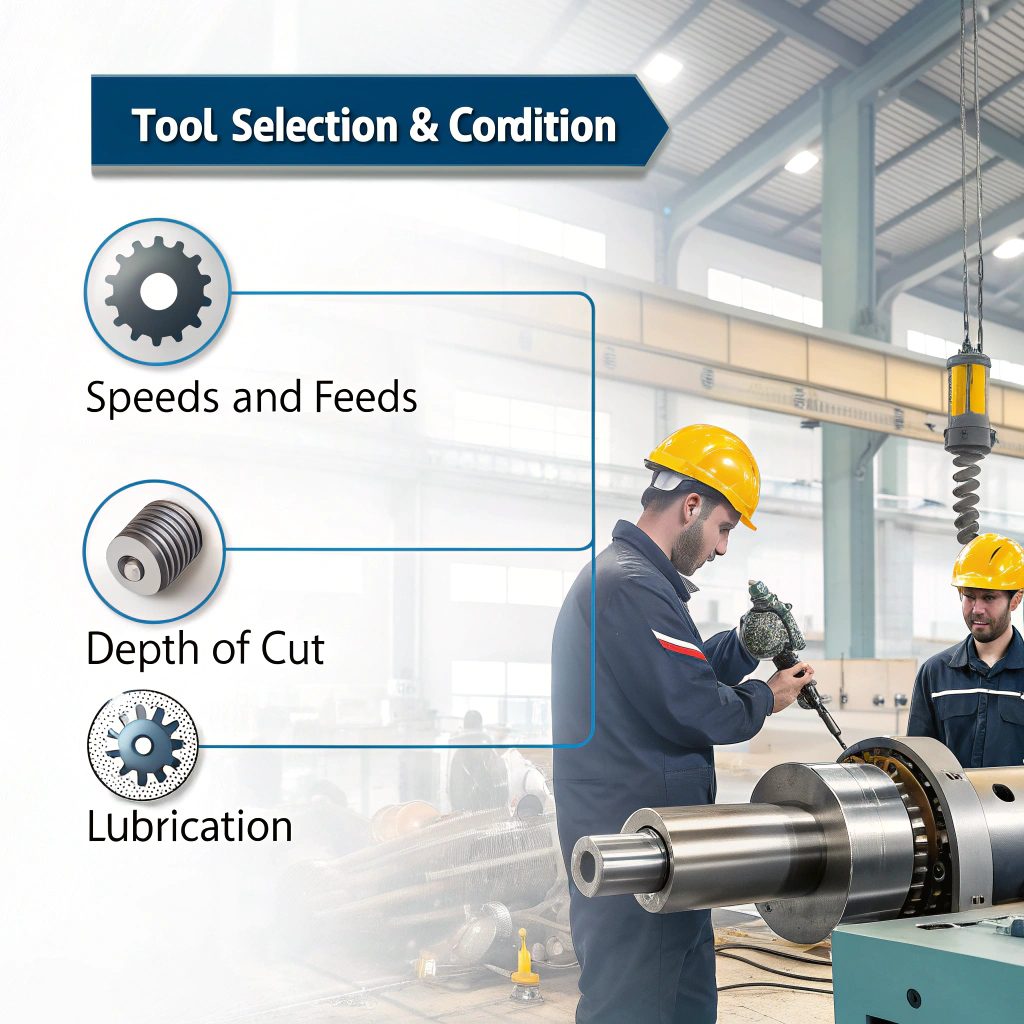
Getting a smoother finish directly from the machining process requires careful control over several factors. It's a balance, as optimizing for finish might sometimes increase machining time and cost. Here’s how we approach it at Worthy Hardware when a customer requires a finer-than-standard as-machined finish:
-
Tool Selection & Condition: We use high-quality, sharp tools with the appropriate geometry (like a larger nose radius on turning inserts) for the material. Dull tools tear material rather than shearing it cleanly.
-
Speeds and Feeds: While faster speeds can sometimes improve finish in certain materials, the feed rate is often more critical. Lowering the feed rate (how quickly the tool advances) reduces the height of the ridges left behind, resulting in a smoother surface. This often requires a dedicated finishing pass with optimized parameters.
-
Depth of Cut: Using a lighter depth of cut for the final pass can also improve the surface finish.
-
Lubrication/Coolant: Proper application is essential. It cools the tool and workpiece, flushes away chips, and reduces friction, all contributing to a better finish.
-
Machine Rigidity & Maintenance: Our machines are well-maintained to minimize vibration, which can transfer chatter marks onto the part surface. A rigid setup holds the workpiece and tool securely.
-
Material Considerations: Some materials naturally machine to a better finish than others. For example, certain grades of aluminum or steel are known for their excellent machinability and finish potential.
-
Clear Communication: This is vital. If you need a specific Ra value or a particularly smooth finish right off the machine, it must be clearly specified on the drawing or P.O. This avoids misunderstandings, like Mark Chen's pain point with inefficient communication. We can then plan the machining strategy accordingly, perhaps including extra finishing passes. We pride ourselves on our experienced engineers who work closely with clients to achieve their requirements, including very tight tolerances and superior finishes.
Conclusion
Choosing the best surface finish means matching the method to your part's material, function, and desired look. Understand the difference between as-machined and secondary finishes to make informed decisions.