
How to Choose the Right CNC Machining Partner for High-Volume Production?

Struggling to find a reliable CNC partner for big orders? It's a common headache. Choosing wrong means delays and quality issues, costing you big.
Choosing the right CNC machining partner for high-volume production means looking at their quality control, equipment capabilities to meet deadlines, and responsive after-sales service. These are key for a smooth, successful manufacturing experience, especially when you have many parts to make.
Finding a good CNC machining partner isn't always simple. I've talked with many clients about this. They often tell me that solid quality checks, machines that can handle the workload on time, and good support after the sale are super important. Let's dig into what makes a partner truly right for your large production needs. We will explore how to pick the best fit so your projects run without a hitch.
How to choose the right CNC machine for your partner's workshop?
Worried if your potential partner has the right machines? Their equipment directly impacts your project's success. Poor choices here can cause big problems later.
When assessing a partner, check if their CNC machines suit your part's size, complexity, and material. Look for modern, well-maintained equipment, like 5-axis machines for complex shapes or high-speed machines for faster output, ensuring they can meet your volume and precision.
When I talk to clients like Mark Chen from Canada, who need high-volume CNC parts, the discussion often turns to the machinery itself. It's not just about having any CNC machine; it's about having the right ones for the job. For high-volume work, efficiency and reliability are king.
First, consider the type of machines. Does the partner have a good mix of CNC mills and lathes? For complex parts, 5-axis machining capabilities are a huge plus. We at Worthy Hardware have machines that can handle milled parts up to 80 inches and lathe parts up to 62 inches, which covers a wide range of needs.
Second, look at the age and condition of the equipment. Newer, well-maintained machines usually mean better precision and less downtime. This directly impacts our ability to meet delivery schedules, a major concern for buyers.
Third, assess automation features. For high-volume production, features like automatic tool changers, pallet changers, and robotic loading/unloading can drastically reduce cycle times and labor costs. This helps us offer competitive pricing while maintaining quality. A partner investing in such technology shows commitment to efficiency. This is a point many customers, focused on competitive pricing without sacrificing quality, appreciate.
| Machine Aspect | Importance for High-Volume | What Worthy Hardware Offers |
|---|---|---|
| Type & Capability | Versatility for various parts | Mills (up to 80"), Lathes (up to 62"), 5-axis machining |
| Condition & Age | Reliability, precision, less downtime | Modern, well-maintained fleet |
| Automation | Speed, efficiency, cost-effectiveness | Investing in automation for faster, consistent output |
| Capacity | Ability to handle large orders | Sufficient machine numbers to manage high-volume projects |
Ultimately, the right machinery in your partner's shop ensures they can produce your parts consistently, accurately, and on time. This directly addresses the pain point of delayed shipments.
Is CNC machining a high volume manufacturing method?
Wondering if CNC machining fits your large order needs? Many think it's just for prototypes. This misconception can limit your manufacturing options.
Yes, CNC machining can be a high-volume manufacturing method, especially for complex parts, specific materials, or when design flexibility is needed. With efficient setups and automation, it's competitive for thousands, even tens of thousands, of units, offering precision at scale.
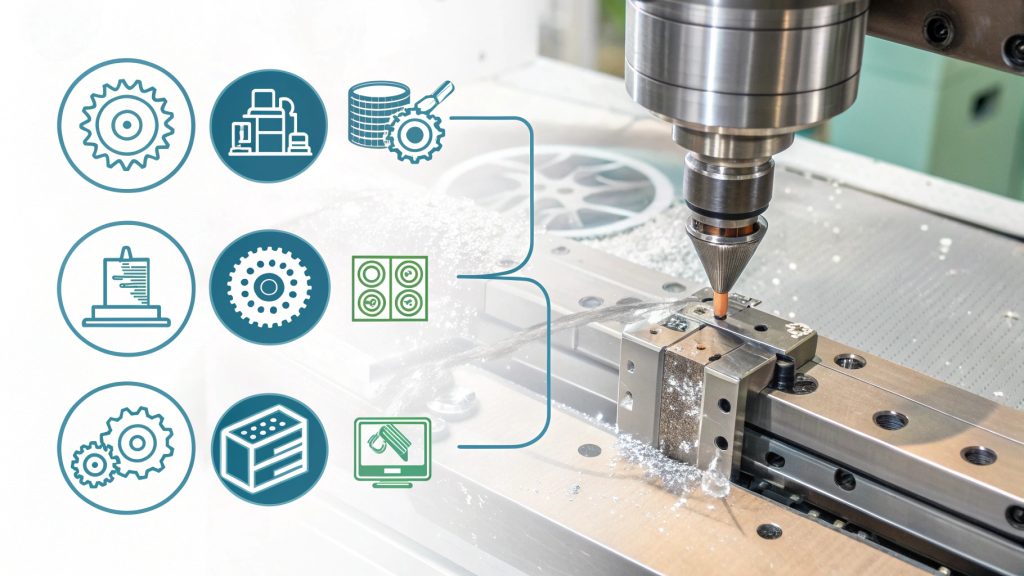
Many people, including some of my clients initially, think CNC machining is mainly for prototypes or small batches. And yes, it's excellent for that. But can it handle high-volume? Absolutely. I've seen it firsthand. At Worthy Hardware, we regularly manage high-volume CNC machining services. The key is how you approach it.
CNC machining shines for high-volume when:
-
Complexity is High: If parts have intricate geometries that are difficult or impossible with methods like casting or stamping without expensive tooling, CNC is often more economical even at volume.
-
Material Requirements are Specific: CNC can work with a vast range of materials (we handle over 100, from aluminum and steel to specialized plastics like PEEK and ULTEM) without the material constraints some other high-volume processes have.
-
Tight Tolerances are Crucial: CNC machining offers excellent precision. We can hold tolerances down to +/- 0.001 inches or even tighter. For high-volume production where every part must be exact, this is a significant advantage.
-
Moderate Volumes or Frequent Design Changes: For production runs in the thousands to tens of thousands, or if designs might evolve, CNC avoids the high upfront tooling costs of methods like injection molding. This flexibility is valuable.
To make CNC cost-effective for high volume, a partner needs optimized processes, skilled programming to reduce cycle times, and efficient machine utilization. We also focus on minimizing setup times and using techniques like batch processing. So yes, while it might not be the first thought for millions of parts like injection molding, CNC is a very strong contender for many high-volume applications, delivering quality and precision. It's about choosing the right partner who understands how to scale CNC operations effectively. This is crucial for businesses like Mark Chen's, needing quality OEM parts at competitive prices.
What factors should be considered when selecting a program for a CNC machine by your partner?
Is your partner's CNC programming up to scratch? Bad programming leads to slow production and poor quality. This is a hidden risk for your project.
When evaluating a partner's CNC programming, consider their CAM software proficiency, programmer experience, and focus on optimizing toolpaths for speed, surface finish, and tool life. Good programming is vital for efficient and high-quality high-volume production, minimizing errors and material waste.
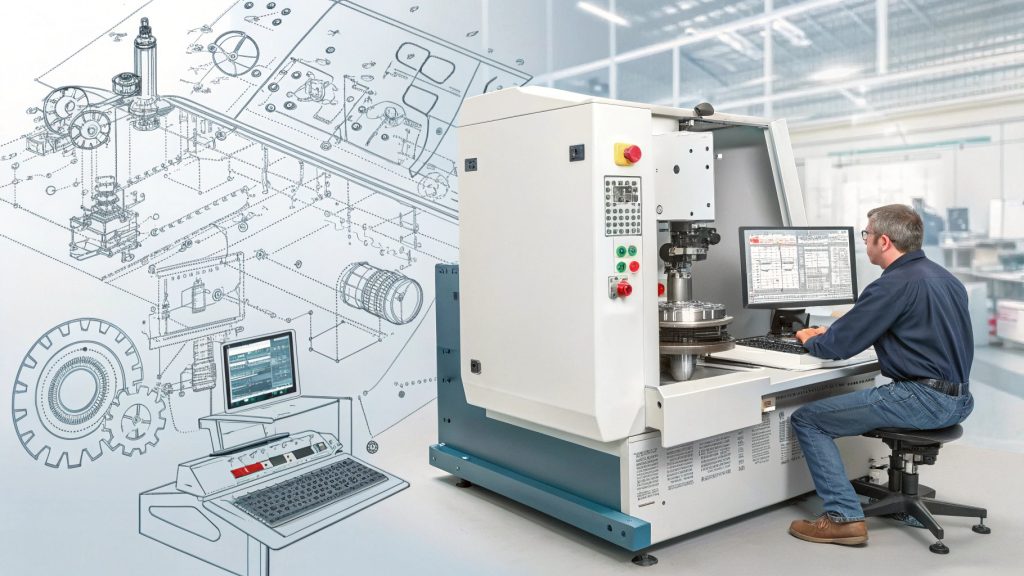
The physical CNC machine is only part of the equation; the software and the skill in programming it are just as critical, especially for high-volume jobs. When I discuss projects with clients, I often emphasize the importance of our programming expertise.
Here's what to look for in a partner's approach to CNC programming:
-
CAM Software: Do they use modern, capable Computer-Aided Manufacturing (CAM) software? Advanced CAM systems allow for complex toolpaths, simulations to prevent crashes, and optimization for efficiency. Our engineers at Worthy Hardware are proficient with leading CAM solutions.
-
Programmer Experience: Experienced programmers can find ways to reduce cycle times, improve surface finish, and extend tool life, all of which are crucial for cost-effective high-volume production. They understand the nuances of different materials and machine capabilities. Our four engineers have rich experience helping customers improve designs and save costs, partly through smart programming.
-
Optimization Strategies: A good partner doesn't just generate a basic program. They will optimize it. This includes:
-
Toolpath Optimization: Ensuring the cutting tool moves efficiently, minimizing air cuts and rapid movements.
-
Feed and Speed Optimization: Selecting the perfect cutting speeds and feed rates for the material and tool to maximize removal rates without sacrificing quality or tool life.
-
Workholding Considerations: Programming with efficient workholding solutions in mind to reduce setup times between parts.
-
-
Simulation and Verification: Before running a high-volume job, programs should be thoroughly simulated to catch any errors. This prevents costly mistakes and material waste, contributing to quality control – a key focus for customers.
Inefficient programming can lead to longer cycle times, meaning higher costs and potentially missed deadlines. It can also result in lower quality parts. A partner who invests in good programming practices is investing in your project's success. This directly addresses the pain point of inefficient communication, as clear, well-defined programs reduce ambiguity.
What factors should be taken into consideration when selecting stock for CNC machining?
Is your partner using the right materials? The wrong stock can ruin your parts, no matter how good the machining. This is a critical quality checkpoint.
When your partner selects stock for CNC machining, consider material properties (strength, machinability, corrosion resistance), cost-effectiveness, consistent quality from reliable suppliers, and availability for high-volume needs. Proper material selection is foundational to part performance and project success.
The journey of a quality CNC machined part begins long before the machine starts cutting. It begins with selecting the right raw material, or "stock." This is a conversation I always have with my clients, as material choice impacts everything from performance to cost. For high-volume production, consistent material quality is paramount.
Key factors we at Worthy Hardware consider, and you should expect from your partner:
-
Material Properties: Does the material meet the functional requirements of the part? This includes tensile strength, hardness, wear resistance, corrosion resistance, thermal stability, and electrical conductivity. We work with over 100 materials, from various grades of aluminum, steel, and titanium to plastics like ABS, PEEK, and Delrin, ensuring we can match the best material to the application.
-
Machinability: Some materials are easier to machine than others. Higher machinability generally means faster cycle times and lower costs. However, the end-use requirements dictate the material, so a good partner knows how to efficiently machine even challenging materials.
-
Cost and Availability: For high-volume production, material cost is a significant factor. We leverage our supplier network to source quality materials competitively. Availability is also crucial; we need a reliable supply chain to ensure materials are on hand to meet production schedules, preventing delays.
-
Supplier Reliability and Quality Consistency: This is huge for high-volume. We work with trusted suppliers who provide materials with consistent composition and quality, backed by certifications when needed. Batch-to-batch variation in material can lead to inconsistencies in finished parts, which is unacceptable. This directly impacts quality inspection, a key focus for discerning buyers like Mark Chen.
-
Form and Size: Is the material available in the right form (bar, plate, sheet) and size to minimize waste and machining time?
Choosing the wrong stock can lead to premature part failure, difficult machining, or unexpected costs. A reliable CNC machining partner will guide you in material selection and ensure that only certified, high-quality stock is used for your high-volume production needs. This is a cornerstone of our 100% inspection promise.
Conclusion
Choosing the right high-volume CNC partner means checking their machines, processes, programming, and material sourcing. Prioritize quality, delivery, and support for best results.