
What Are the Best CNC Machining Practices for 18/10 Stainless Steel?

Struggling with 18/10 stainless steel machining? Its toughness causes headaches and high costs. Discover the best practices to master this challenging material and achieve success.
The best CNC machining practices for 18/10 stainless steel involve using robust carbide tooling, optimizing cutting speeds and feeds, ensuring effective cooling, and employing rigid machine setups. These steps mitigate work hardening and tool wear.
Machining 18/10 stainless steel, which many of us know as 316 stainless steel, can feel like a real battle sometimes. I've seen many shops struggle with it. But once you understand its quirks and how to handle them, it becomes much more manageable. Let's explore some common questions and break down the best approaches to get great results with this material. We want to make sure you are not just getting parts, but getting good parts efficiently.
Can stainless steel be CNC machined?
Wondering if stainless steel is even suitable for CNC machining? Its reputation for toughness might make you hesitate. But yes, it absolutely can be machined effectively.
Yes, stainless steel can be CNC machined. However, its properties like high strength and work hardening require specific tools, appropriate cutting parameters, and often more robust machinery compared to softer metals.
Stainless steel is a broad category. Its machinability varies quite a bit between different grades. But, the short answer is a resounding yes, we can CNC machine stainless steel. I've been machining various grades for years here at Worthy. The key is understanding that it's not like machining aluminum or mild steel.
Stainless steels, especially austenitic grades like 304 or 18/10 (which is 316), tend to work harden. This means the material actually gets harder as you cut it. So, you need sharp, very tough tools. These are often made of carbide. You also need to maintain a consistent feed rate. This prevents the tool from rubbing against the material instead of cutting it. Rubbing accelerates work hardening and tool wear.
Proper coolant is also crucial. It helps to manage the heat generated during cutting and assists with chip evacuation. We always make sure our machines are rigid. This is important to handle the cutting forces involved with stainless steel. It’s definitely more challenging than some other materials, but with the right approach and experience, we get excellent results for our customers.
What is the best grade of stainless steel for machining?
Choosing the right stainless steel grade for machining can be confusing. You want good performance but also ease of processing. So, which grade stands out for machinability?
The best grade of stainless steel for machining is generally considered to be 303 stainless steel. It contains sulfur, which acts as a chip breaker, significantly improving its machinability.
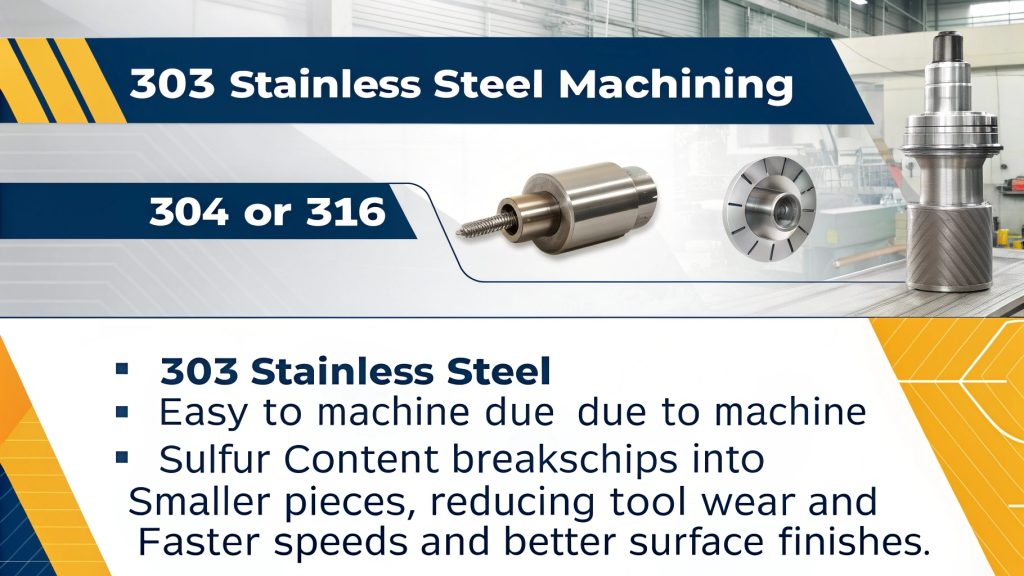
When we talk about the "best" grade of stainless steel for machining, we usually mean the easiest one to machine. In that specific sense, 303 stainless steel often takes the crown. I’ve found in my experience that it machines much more freely than other common stainless grades.
The main reason for this is that 303 has sulfur added to its composition. This sulfur helps to break the chips into smaller, more manageable pieces. Smaller chips reduce tool wear. They also allow for faster machining speeds and better surface finishes. However, this improved machinability comes with a trade-off. The sulfur content can slightly reduce its corrosion resistance and formability compared to grades like 304 or 316 (18/10).
So, while 303 is fantastic for parts where machinability is the top priority and the environment isn't overly corrosive, for other applications, you might need to choose a tougher, more corrosion-resistant grade. These could be 304 or the 18/10 (316) stainless steel we are focusing on. We always discuss these trade-offs with our clients at Worthy to select the optimal material for their specific needs.
| Grade | Key Additive for Machinability | Relative Machinability | General Corrosion Resistance |
|---|---|---|---|
| 303 | Sulfur | Excellent | Good |
| 304 | None specific for machinability | Fair | Very Good |
| 316 (18/10) | None specific for machinability | Poor to Fair | Excellent (superior to 304) |
What is the best steel for CNC milling?
Looking for the ideal steel for your CNC milling projects? The choice impacts tool life, speed, and final quality. Let's explore what makes a steel "best" for milling.
For general CNC milling, low-carbon steels like 1018 or free-machining grades like 12L14 are excellent. This is due to their good machinability and affordability. For stainless steel, 303 is preferred for milling ease.
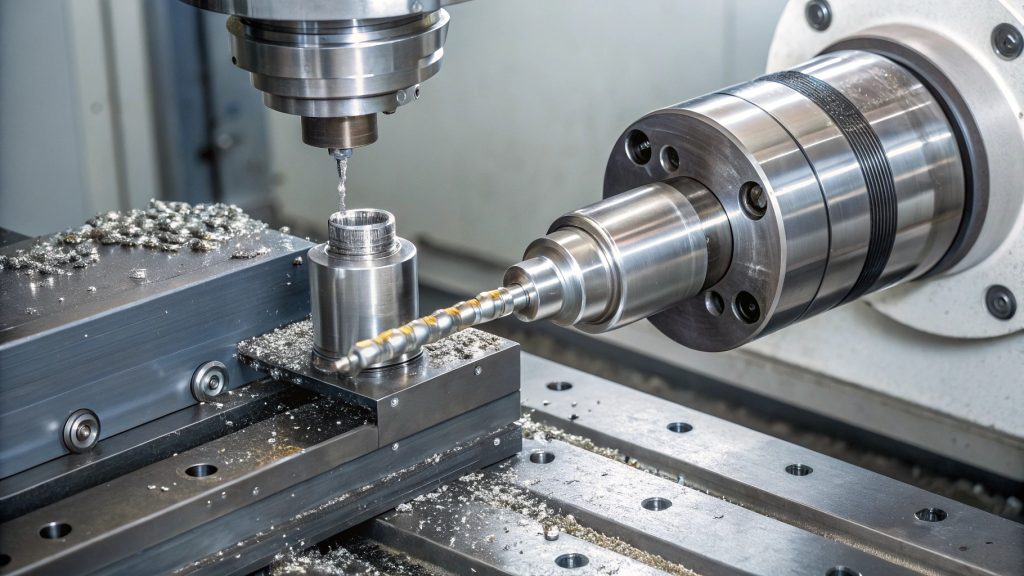
The "best" steel for CNC milling really depends on the application's specific requirements. If we're talking about carbon steels, something like 12L14 is a dream to mill. The 'L' in 12L14 indicates it has lead added. Lead, much like sulfur in 303 stainless steel, greatly improves machinability. It helps produce small chips and gives a great surface finish. Another very common option is 1018 mild steel. It’s cost-effective and mills reasonably well for many applications.
However, when our customers at Worthy need stainless steel parts, and milling is the primary operation, we often guide them. If the design allows, and the absolute highest corrosion resistance isn't the top factor, 303 stainless steelis again a strong contender. This is because of its superior machinability among the stainless grades.
For 18/10 (316) stainless steel, which is tougher, milling requires very careful planning. We use robust tooling. We optimize spindle speeds and feed rates. And we ensure excellent coolant delivery. We've milled countless parts from various steels, so we know how to adapt our strategies. It's always about balancing the material properties with the desired outcome and the overall cost.
Is 304 or 316 better for machining?
Deciding between 304 and 316 stainless steel for machining? Both are popular, but one is notably tougher. Let's clarify which one machines more easily.
304 stainless steel is generally better for machining than 316 (18/10) stainless steel. 316 contains molybdenum, which enhances corrosion resistance but makes it more difficult to machine.
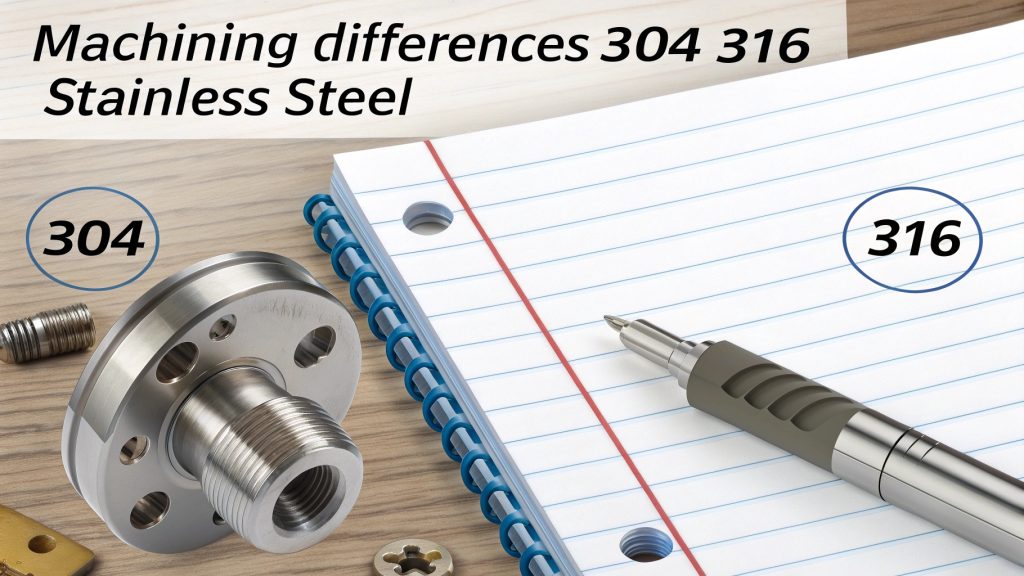
When comparing 304 and 316 (which is our 18/10 stainless steel) for machining, 304 is generally easier to work with. I've seen this time and again in my shop. Both are austenitic stainless steels. This means they are prone to work hardening. But 316 is definitely tougher. The main difference is that 316 contains molybdenum. Molybdenum significantly boosts its corrosion resistance, especially against chlorides and in marine environments. That's why 316 is often called "marine grade" stainless steel. However, this same molybdenum content also increases its strength. And it makes it more challenging to machine than 304.
So, to directly address the best CNC machining practices for 18/10 (316) stainless steel, drawing from my experience at Worthy:
-
Tooling is Key: We must use high-quality, sharp carbide tools. Sometimes, coated tools offer extra benefits. These benefits include better heat resistance and lubricity. I tell my team, do not skimp on tool quality; it's absolutely crucial for 316.
-
Control Speeds and Feeds: We significantly reduce cutting speeds compared to 304 or other steels. It is important to maintain a consistent, positive feed rate. Dwelling or rubbing the tool against the material must be avoided. This rapidly work-hardens the 316 stainless steel.
-
Appropriate Depth of Cut: We take appropriately sized cuts. The cut should not be too shallow, as this can cause rubbing. It also should not be so deep as to overload the tool or the machine. This is a balance we constantly fine-tune. My insight here is that the cutting amount cannot be too large.
-
Effective Coolant Use: Copious amounts of high-quality coolant are essential. Coolant helps manage the high temperatures generated. It also clears chips away from the cutting zone and reduces tool wear.
-
Machine and Setup Rigidity: A rigid machine setup is non-negotiable for 316. Any vibration will worsen tool life and the final surface finish.
Many factories, as I mentioned, shy away from 18/10 (316) stainless steel. This is because it's hard on their machines and tools, and scrap rates can be higher if not handled correctly. But by diligently following these specific practices, we achieve excellent and consistent results for our customers needing 18/10 stainless steel parts.
Conclusion
Mastering 18/10 stainless steel CNC machining involves specific tools, speeds, and techniques. With the right approach, excellent results are achievable, despite its challenging nature.